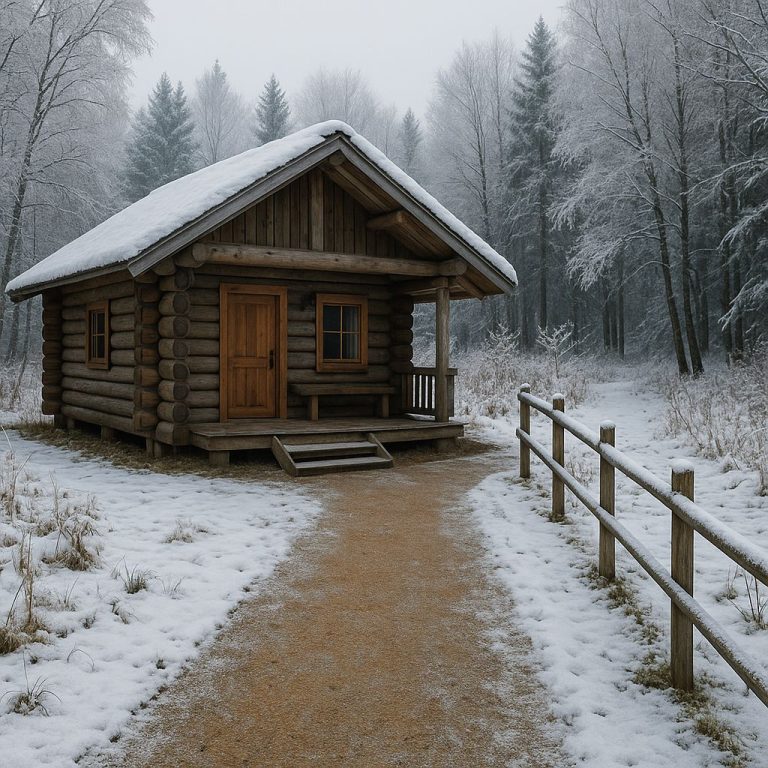
When disaster strikes, having a well-thought-out bug-out location (BOL) could mean the difference between chaos and survival. In a vast and diverse country like Canada, selecting and setting up a bug-out location comes with its own set of unique challenges and advantages. Whether you’re concerned about grid failure, social unrest, or natural disasters, this guide will walk you through how to find and set up a reliable BOL that suits Canadian terrain, climate, and legal landscape.
Step 1: Understand What Makes a Good Bug-Out Location in Canada
A BOL isn’t just a cabin in the woods. It needs to be strategically chosen, stocked, and secure. In Canada, consider these essential features:
- Remote but accessible: Far enough from urban centers to avoid danger, but close enough that you can reach it within a few hours—even in bad weather.
- Fresh water source: Lakes, rivers, or natural springs are crucial. In winter, access to ice/snow that can be melted is essential.
- Shelter or shelter potential: Whether it’s an existing structure or raw land ready to build on, ensure it offers protection from Canada’s harsh elements.
- Low profile: Avoid areas that are easily visible from roads or air. Seclusion is your ally.
- Natural resources: Wildlife, fish, wood for fuel, and arable land add self-sufficiency value.
Step 2: Choosing the Right Region
Canada is diverse—from boreal forest to prairie, mountain to maritime. Here’s a quick breakdown of potential regions:

Ontario (Central and Northern)
- Pros: Affordable land, freshwater lakes, established prepper communities
- Cons: Harsh winters, long drive times from major cities
British Columbia (Interior)
- Pros: Milder winters in some areas, abundant game and forest
- Cons: Higher land prices, wildfire risk
Alberta & Saskatchewan
- Pros: Affordable land, less population density, abundant game
- Cons: Open landscapes—less cover, harsh winters
Quebec (Laurentians & Northern)
- Pros: Remote land is still available, strong cultural resilience
- Cons: Language barriers for some, heavy snowfall
Maritimes (New Brunswick/Nova Scotia)
- Pros: Access to sea resources, less expensive property
- Cons: Hurricane exposure, smaller land plots
Step 3: Legal Considerations in Canada
Before buying or occupying land:
- Check zoning laws: Some rural areas allow off-grid structures; others restrict them.
- Understand squatters’ rights: Canada has no strong legal protections for squatting—owning or leasing land is best.
- Gun and hunting laws: Brush up on provincial firearm and hunting regulations.
- Building codes: Tiny homes, earth shelters, and cabins may still require permits depending on province/municipality.
Step 4: Setting Up Your Bug-Out Location
Once you’ve secured the land, it’s time to build and equip:
1. Shelter
- Cabin, yurt, camper trailer, shipping container, or earth-bermed hut
- Insulated for Canadian winters
- Hidden from aerial and road view
2. Water Supply
- Install a hand pump or gravity-fed system from a spring or well
- Rainwater harvesting with filtration system
- Store backup potable water
3. Food Supply
- Root cellar or underground storage for long-term reserves
- Grow a small garden (consider cold frame greenhouses)
- Trapping and fishing gear for local protein sources
4. Power and Heat
- Wood stove or rocket mass heater
- Solar panels with battery backup
- Propane appliances for backup use
5. Security
- Motion-activated alarms (off-grid options)
- Camouflage and terrain use for concealment
- Livestock (like geese or dogs) can act as natural sentries
6. Communications
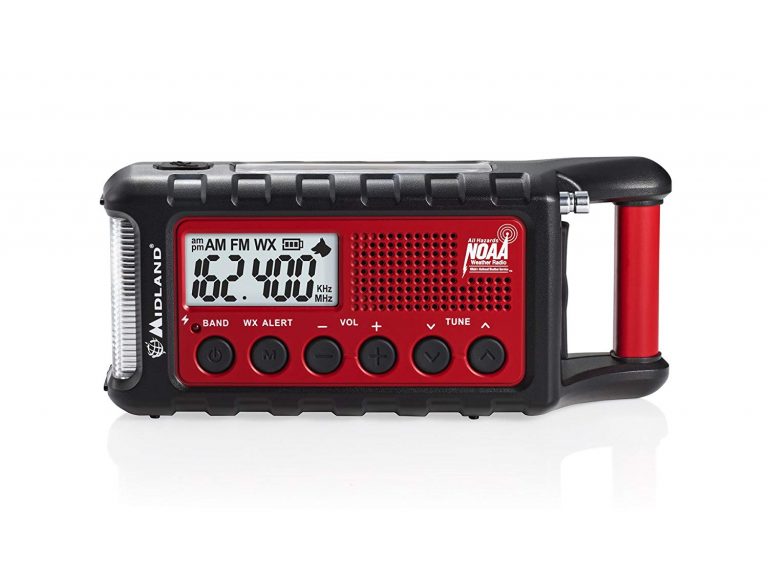
- HAM radio with solar charger
- Signal mirrors or flags in line-of-sight setups
- Caches with comm plans if you’re part of a network
Step 5: Practice and Maintain
Your BOL isn’t set-it-and-forget-it. Schedule regular visits to:
- Rotate food and fuel stocks
- Check structural integrity and weatherproofing
- Practice evacuation routes and recon the area for seasonal changes
- Train your family or group in using the space effectively
Final Thoughts
Canada’s immense wilderness and strong property rights make it one of the best countries in the world to set up a bug-out location—if you plan well. The key is balancing distance from danger with accessibility, and ensuring the site can sustain life year-round.
Invest in your bug-out location now—not in a panic when SHTF. When the time comes, your future self will thank you for it.