A look at a developing issue that could lead to sever shortages.
There exists a possibility of Covid-19 leading to food shortages. We’ve already seen temporary shortages in the food supply chain when food processing plants were shut down due to employees testing positive for the infection. Thankfully, most of these processing plants were shut down only for a few days as the premises were cleaned and staffing issues were solved. Still, there were times when grocery store meat counters were noticeably void of products.

While issues like these were short lived, and any prepper should be in a position to ride out these fairly minor inconveniences, they point to a certain fragility in the food supply chain. This type of issue isn’t the one that we should be concerned about though.
Early on in the pandemic, we heard of wildlife being infected as well as some household pets. These reports were somewhat mocked at the time, but now we see more and more evidence that this can become a real problem.
Recently, a mink farm in BC suffered a mass infection of it’s livestock, which had to be culled. No big deal right? Not so much. Sure, the world can live just fine with a temporary shortage of mink coats and those that want one will eventually have to pay a higher price as mink farmers recoup lost income.

Also recently, we are learning about African gorillas being infected. Aside from the fact that these are protected species, in and of itself, this doesn’t really threaten our food supply, but also points to an issue that I am wondering how many people have thought of.
Let’s assume for a moment that this virus did in fact come from wet markets in China. This was an important food supply market in China, eve if the animals being butchered there were not what we here in Canada would consider food. The fact is ow undeniable that this virus can be devastating to livestock.
Covid-19 is an RNA based organism. RNA based organisms produce slightly imperfect copies of itself every time they replicate. This is how the virus mutates…every single time it replicates. Mostly, these mutations are of no consequence, but after enough replications, sometimes they mutate in a significant way, which is how the virus became able to infect humans.

So what will happen when, and it is a question of when, this virus mutates to the point of affecting chickens, lambs, pigs, or cows? We already know that it can jump from animals to humans. See where I’m going with this?
How far would the virus spread into our farming and food processing systems before we figure it out? Will farmers be forced to destroy livestock in an effort to curb the spread? Let’s face it, a widespread outbreak in Alberta’s cattle population could devastate the industry and lead to widespread shortages of beef, still a staple on Canadian dinner tables despite the new food guide.

Now, before we all decide to go vegan, let’s have a quick peek at vegetable and fruit farmers. These farms rely heavily on migrant workers. While every effort can be made to prevent infected workers from showing up in the first place, they can certainly get infected once they arrive. Farmers can’t restrict these workers to the farms that employ them. Most still have to go out in their nearest towns for food and other provisions, where they may contract Covid and bring it back to the farm where they are often housed in very close quarters with fellow workers. When this happens, it wouldn’t take long for a farm to lose it’s entire workforce, leaving produce to rot in the ground.

I’ve heard a lot of rhetoric during this pandemic about low death rates being a reason to ignore safety precautions. These excuses are dangerous not to mention short sighted. The preparedness community is supposed to be populated by “critical thinkers” but from what I’ve seen, there is a lot of short sighted thought going on.
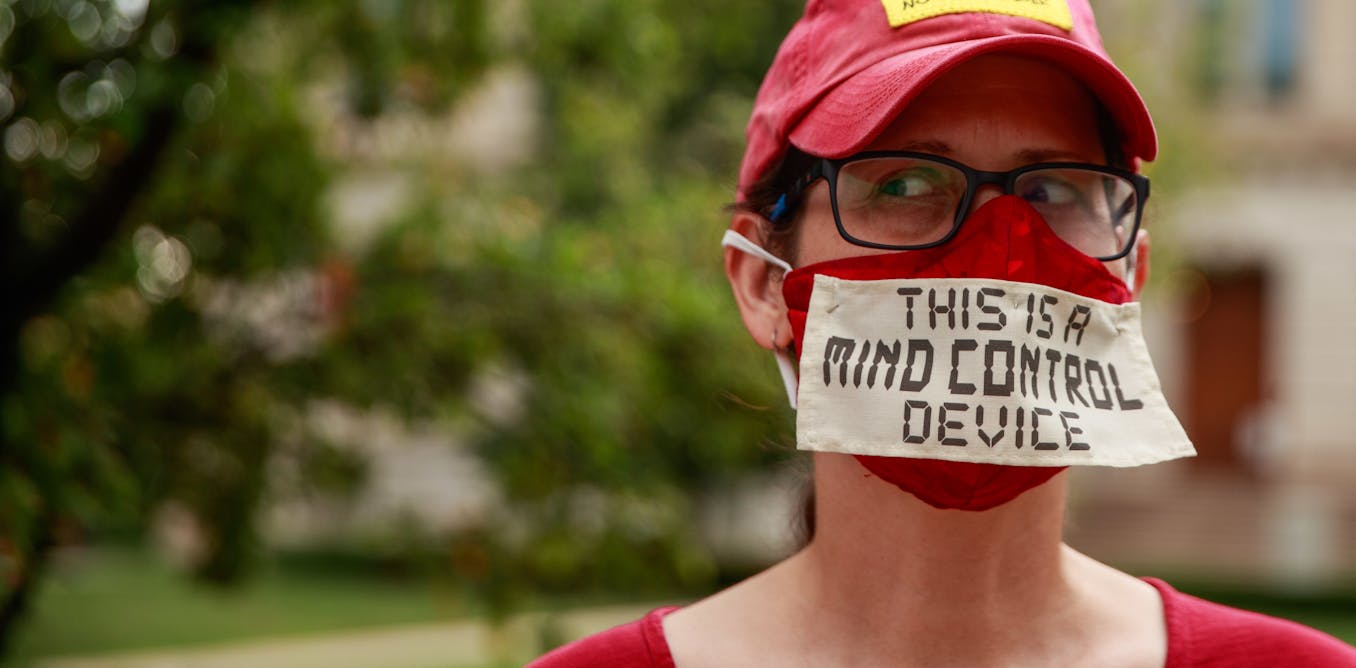
For those that dismiss this pandemic with excuses such as “it only kills people that were weak and dying” or “most people survive it without complications” or any other dismissive arguments, well you better start looking at the real impacts of what this virus is capable of doing now, and what it may be capable of doing the next time it replicates itself imperfectly. This virus needs to be taken care of and quickly. Are the measures being taken now the right ones? That’s not for me to say and is a discussion best left to other platforms. One thing is for sure though, we better get it under control before it gets control of us.