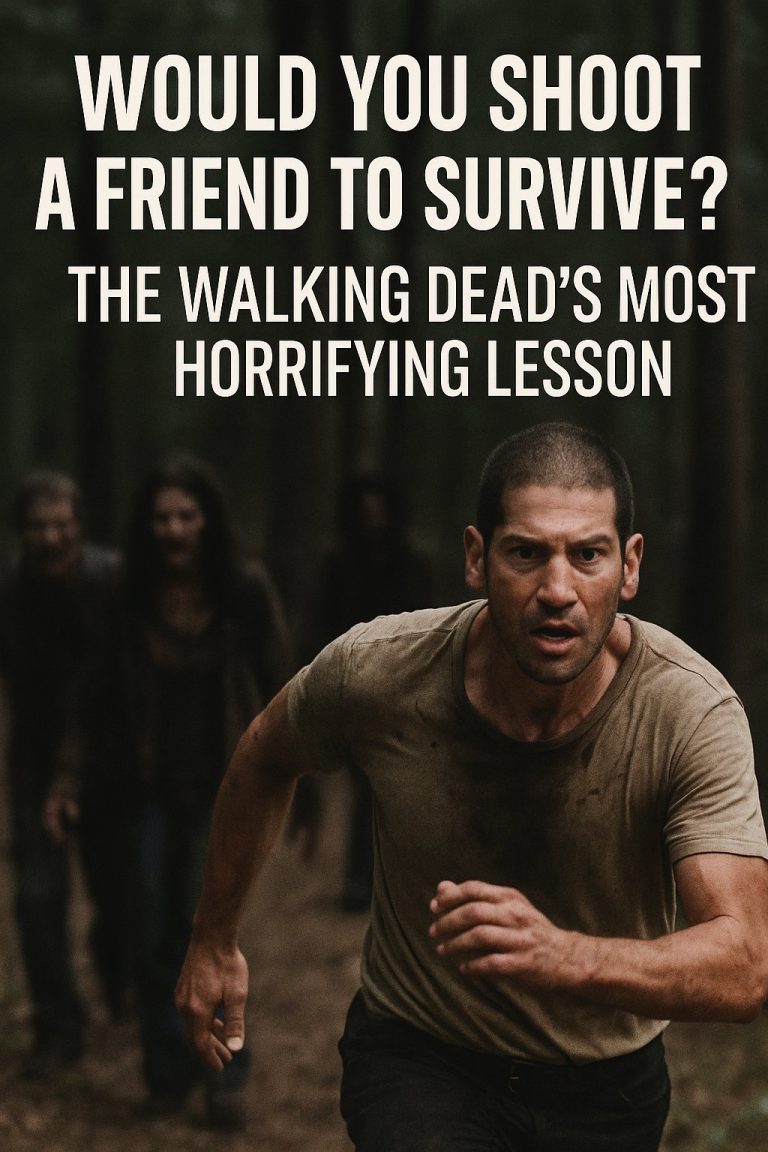
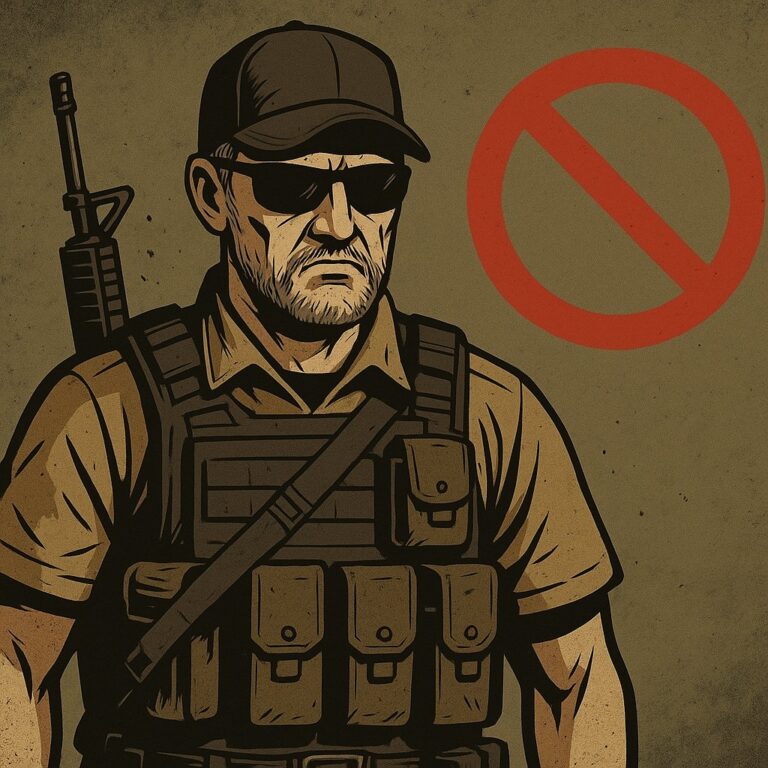
When disaster strikes or society unravels, the romantic image of disappearing into the wilderness alone, armed with little more than a knife and sheer willpower, has long held appeal for many preppers. Hollywood glamorizes the lone wolf survivor archetype—gritty, self-reliant, and unstoppable. But in the real world, solo wilderness survival is one of the riskiest strategies you can undertake, even for seasoned survivalists.
For preppers looking to build a realistic, sustainable survival plan, it’s crucial to understand the significant disadvantages of going it alone in the wild.
1. Physical Vulnerability
When you’re alone, you’re your only medic, porter, and protector. An injury that might be minor in a group—like a twisted ankle or deep cut—can be catastrophic if you’re solo. There’s no one to help you splint a limb, fetch water, or stand watch while you sleep. In cold climates or rugged terrain, a simple accident can spiral quickly into a life-threatening emergency.
Additionally, solo travelers expend more energy doing everything themselves, from gathering firewood to building shelter and hunting. This higher energy output, combined with limited calorie intake in the wild, quickly leads to fatigue—and fatigue leads to mistakes.
2. Mental and Emotional Stress
Isolation is a psychological threat that often goes underestimated. The human mind craves social interaction, especially in high-stress situations. Without companionship, solo preppers often face overwhelming loneliness, anxiety, and paranoia.
Mental fatigue can lead to poor decision-making, increased fear, and even hallucinations in extreme cases. Survival is as much a mental battle as a physical one, and the lack of a support system makes that battle exponentially harder.
3. No Margin for Error
Mistakes in survival situations are inevitable. A misplaced step, misjudged weather, or failure to properly secure food can have serious consequences. When you’re alone, there’s no one to catch your mistake or help you recover.
In a group, someone might notice the change in weather patterns or warn you that the meat you just cooked smells off. Solo, you’re relying entirely on your own senses and knowledge—and even the best can overlook critical details under stress.
4. Limited Skill Set
No one person can be an expert in everything. A group of preppers can pool skills—tracking, bushcraft, first aid, navigation, cooking, and defense. Alone, you’re stuck with your own limitations. If you’re not a skilled trapper, you might go hungry. If you’re not proficient in herbal medicine, even simple ailments can become serious threats.
A team multiplies your capabilities; solo survival minimizes them.
5. Security Risks
Security is perhaps the most pressing concern in any collapse scenario. When you’re solo, you’re an easy target—whether from wild animals or hostile humans. You can’t effectively keep watch 24/7. When you sleep, you’re vulnerable. When you go out to scout or gather, your camp is unguarded.
With no backup, even a minor encounter can end your survival efforts quickly.
6. Difficulty in Long-Term Sustainability
Even if you survive the initial weeks or months alone, sustaining yourself indefinitely in the wilderness is another challenge. Supplies run out. Seasons change. Hunting gets harder. Illness and injury accumulate. Tools break. Without help, rest, and a functioning system of support, long-term solo survival is rarely sustainable.
Modern humans are social creatures who have always survived through cooperation. Long-term resilience comes from networks—people who can work together, trade, and rely on each other.
Final Thoughts: The Lone Wolf Dies, but the Pack Survives
Solo survival may have a certain allure, but it’s a romanticized fantasy more than a reliable strategy. Smart prepping isn’t about proving how tough you are—it’s about maximizing your odds of survival through planning, teamwork, and realism.
If you’re prepping for worst-case scenarios, your focus should be on building a trusted group, creating sustainable systems, and understanding your own limits. A well-coordinated community—even just a small team—will always outlast the lone survivor in the wild.
Prepare wisely. Prepare together.