
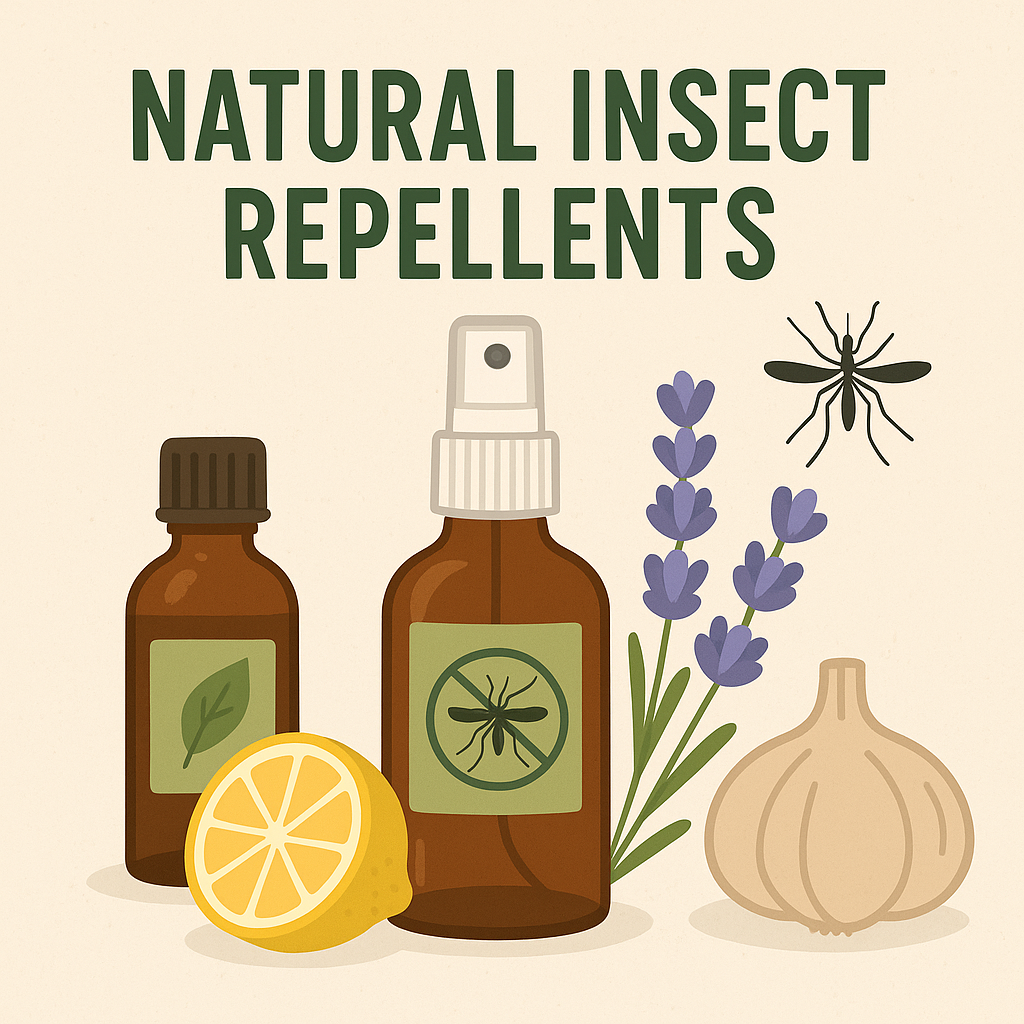
As any seasoned prepper knows, staying comfortable and healthy in the outdoors — or during a bug-out situation — means dealing with the smallest of enemies: insects. Mosquitoes, black flies, ticks, and other pests aren’t just annoying — they can spread disease and ruin morale fast.
While commercial repellents with DEET and permethrin are effective, many preppers prefer natural alternatives that are safer for long-term use, environmentally friendly, and easy to make or stockpile. Whether you’re living off-grid, camping at your bug-out location, or preparing for grid-down scenarios, having natural insect repellents in your kit is smart.
In this article, we’ll explore natural repellents you can buy or make yourself, including recipes and practical application tips.
Why Choose Natural Repellents?
- Safer for skin and lungs — especially for children and those with sensitivities
- Environmentally friendly — no harm to waterways or beneficial insects
- DIY friendly — made from ingredients you can grow, forage, or store long-term
- Multi-purpose — many natural oils have additional health or cleaning uses
Top Natural Repellent Ingredients
1. Citronella Oil
Derived from lemongrass, citronella masks scents that attract mosquitoes. Found in many candles and sprays.
2. Lemon Eucalyptus Oil
Not the same as eucalyptus oil — this is a proven mosquito repellent recommended by the CDC as an alternative to DEET.
3. Lavender Oil
Lavender smells great to us but deters mosquitoes, flies, and even moths.
4. Tea Tree Oil
Antiseptic and repellent — also helps with bite treatment. Use diluted on skin.
5. Peppermint Oil
Repels mosquitoes and ants; also gives a cooling effect in hot weather.
6. Neem Oil
Bitter-smelling but powerful against mosquitoes and other biting insects. Often used in combination blends.
7. Garlic
Eating lots of garlic may subtly repel mosquitoes. You can also make a garlic-infused spray for garden and campsite use.
8. Apple Cider Vinegar
Used in DIY sprays to alter body scent and deter bugs.
DIY Natural Insect Repellent Recipes
Basic Essential Oil Spray
Ingredients:
- 10–15 drops essential oil (lemon eucalyptus, citronella, lavender, tea tree, or a blend)
- 2 tbsp witch hazel or vodka (preservative and dispersant)
- 2 tbsp distilled water
- Small spray bottle
Directions:
- Combine all ingredients in a spray bottle.
- Shake before each use.
- Apply to exposed skin and clothing every 1–2 hours.
Vinegar-Based Repellent
Ingredients:
- 1 cup apple cider vinegar
- 1 tbsp dried herbs (rosemary, sage, thyme, lavender, mint)
- Spray bottle
Directions:
- Place herbs in vinegar and let steep for 2–3 weeks, shaking daily.
- Strain and pour into spray bottle.
- Apply as needed.
Garlic Garden Spray (Non-skin Use)
Ingredients:
- 1 head garlic
- 2 cups water
- 1 tbsp dish soap
Directions:
- Blend garlic with water and let steep overnight.
- Strain and add soap.
- Spray around your campsite or garden to deter bugs.
Other Natural Tactics to Combine with Sprays
- Wear light-colored, long-sleeved clothing — reduces attraction and provides a physical barrier.
- Use netting — especially effective for sleeping or resting outdoors.
- Burn herbal smudge sticks — sage, rosemary, and thyme smoke helps clear campsites.
- Eliminate standing water — reduces mosquito breeding grounds.
Limitations of Natural Repellents
Natural repellents generally don’t last as long as DEET or permethrin-based products and need to be reapplied often. For high-risk areas (ticks in Lyme-endemic zones, malaria zones), you may still choose to combine natural options with proven chemical repellents when needed.
Conclusion
Natural insect repellents are an essential part of a prepper’s toolkit. They’re easy to make, safe for repeated use, and can be sourced even in austere conditions.
Experiment with blends to find what works best for you — and always test new mixtures on a small patch of skin first. When combined with physical barriers and smart camp hygiene, natural repellents can help you stay bite-free — naturally.


