
Intro:
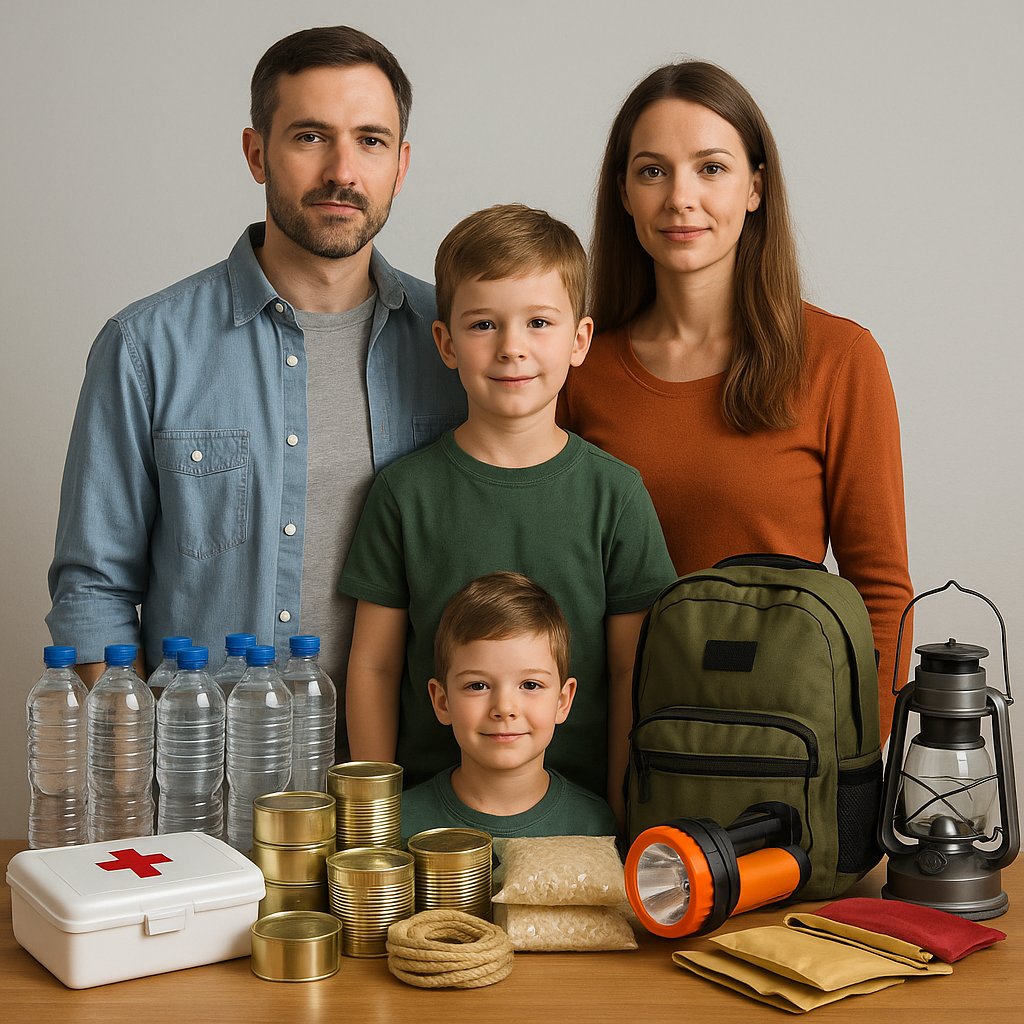
Once viewed as a fringe activity, prepping in Canada has gone mainstream. More than ever, everyday Canadian families—from Toronto condos to Northern Ontario farms—are adopting a preparedness mindset. They’re stocking pantries, securing water sources, and learning skills that help them handle real-world emergencies like wildfires, floods, ice storms, and grid failures.
This isn’t about fear or doomsday fantasies. It’s about resilience, self-reliance, and protecting your loved ones in uncertain times.
🍁 The Canadian Shift: Preparedness as a Practical Lifestyle
A 2024 federal survey from Public Safety Canada found that over 60% of Canadians don’t have enough supplies to survive a 72-hour emergency—despite multiple public awareness campaigns. However, the same study shows a growing number of people are beginning to change that.
In fact:
- Canadian prepper communities online have seen 30–40% growth since 2020.
- Over 8 million Canadians now report keeping extra supplies at home year-round.
- Sales of freeze-dried food, generators, and emergency radios have spiked, especially in provinces hit by natural disasters.
This is no longer the realm of fringe survivalists. It’s middle-class homeowners, apartment dwellers, retirees, and young families taking practical steps to be more independent when things go sideways.
👨👩👧👦 Why Canadian Families Are Embracing Prepping
1. Disasters Are Getting Worse—and Closer
Canada has seen an increase in weather-related disasters, including:
- Record-breaking wildfires in B.C., Alberta, and Northern Ontario
- Flooding and infrastructure failures in Quebec and the Maritimes
- Multi-day ice storms and blackouts in Southern Ontario
Events that were once “once in a generation” are now frequent and regional, pushing families to prepare for disruptions they can no longer ignore.
2. Urban & Suburban Vulnerability
Canadian cities depend heavily on just-in-time grocery and fuel delivery. A minor disruption can empty shelves within hours. Suburban families in Ontario are realizing the importance of having their own emergency buffer—especially after COVID, the Ottawa occupation protests, and rail blockades exposed vulnerabilities in national logistics.
3. Cultural Shift Toward Practical Skills
We’re seeing a revival of “old-school” skills: gardening, canning, firewood stacking, fishing, hunting, and water collection. For many, prepping isn’t about hiding from the world—it’s about living with confidence and capability.
📦 The Canadian “Practical Prepping” Starter Kit
Most Canadian preppers don’t live off-grid or spend thousands. They take incremental, realistic steps toward readiness.
| Category | Essentials |
|---|---|
| Food & Water | 3–7 days of shelf-stable food, bottled water, Berkey or Lifestraw filters |
| Power Backup | LED lanterns, crank radios, battery banks, solar panels, propane heaters |
| Communication | Weather radios (Environment Canada), CB or GMRS radios, local maps |
| First Aid & Meds | Basic first aid, over-the-counter meds, prescription reserves |
| Go-Bags | 72-hour kits with ID, toiletries, snacks, emergency cash, flashlights |
| Seasonal Items | Snow shovels, hand warmers, mosquito nets, waterproof gear |
Tip: Many Canadian municipalities have free 72-hour emergency checklists online. Use them as a starting point.
📱 Where Canadians Are Learning to Prep
The rise of mainstream prepping in Canada is supported by content creators and communities who’ve made it relatable and regional:
- Canadian Preppers Network – Thousands of members
- Canadian Prepper Podcast – Weekly podcast discussing a variety of prepper related topics
- PreppersMeet.com – annual in-person event and resource hub
- Reddit forums like r/CanadianPreppers and r/Preparedness
- Local Facebook groups for province-specific advice and trading gear
People are finding community, support, and knowledge that fits their geography, climate, and budget.
🧭 It’s About Resilience—Not Panic
Modern prepping in Canada isn’t about preparing for “the end.” It’s about preparing for the inconvenient, the unpredictable, and the increasingly common. Whether that’s a 3-day blackout, a rail strike, or a wildfire evacuation—preparedness puts control back in your hands.
It’s a cultural shift toward confidence, self-reliance, and practical care for your family and community.
🔁 Final Thoughts
The prepping movement in Canada has officially entered the mainstream. From the suburbs of Ottawa to off-grid cabins in Muskoka, Canadians are getting serious about resilience.
You don’t need to dig a bunker or live in fear. You just need to ask:
“If I had to go three days without help, would I be ready?”
Start with that, and you’re already ahead of the curve.
