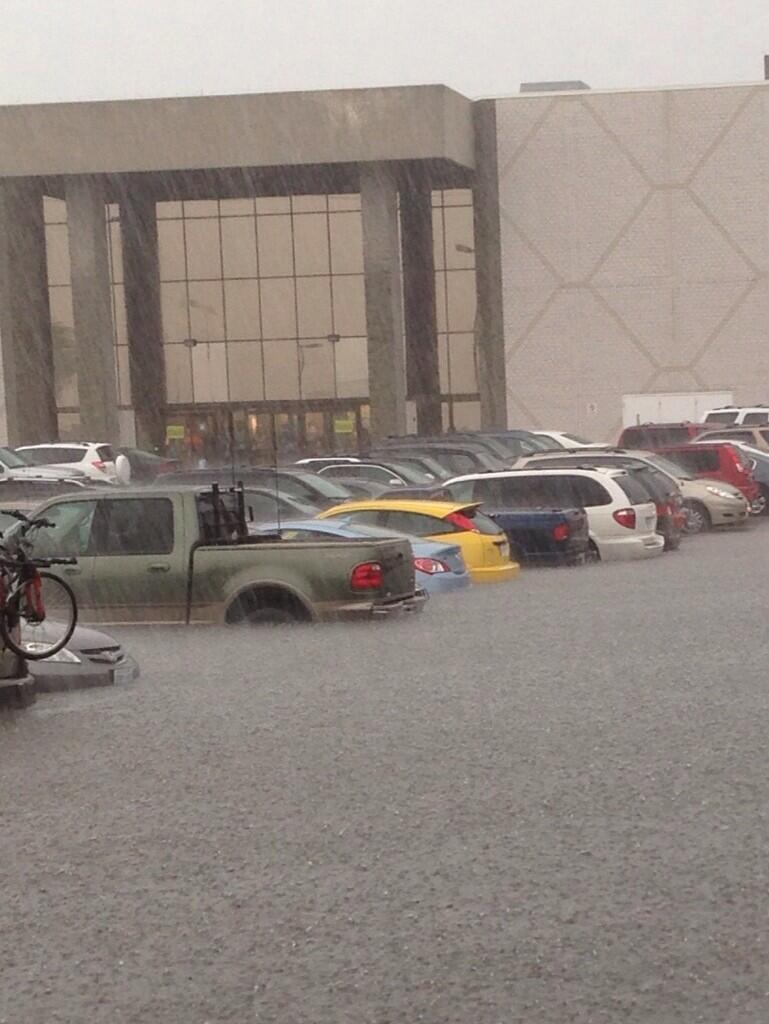
Why practising, failing safely and correcting weak systems beats waiting for a real emergency
The most useful prepper mistakes are the ones made while stores are open, neighbours can help and a failed plan is still an inconvenience rather than a disaster. Books build knowledge, but only practice reveals the gate that will not latch, the water system that depends on electricity, the feed room a raccoon can open and the winter routine that cannot be maintained.
The original 2011 homestead account below is preserved in full. It records the loose sheep and donkey, the duck-feed mistake, the badly ventilated chicken coop, 33 hours of hauling water, animal losses, raccoon damage, the leaking eavestrough, thirty unexpected heritage chicks and the hard-earned successes that followed. Those details are the value of the article: real preparedness develops through corrections, not perfect plans.
Nine Preparedness Lessons Hidden in the Mistakes
- Reading is preparation, not proof. A system is not ready until it has been operated under realistic conditions.
- Use closing checklists. Count animals, secure doors, inspect water and confirm that every gate is latched before dark.
- Match feed to the animal. Advice that one ration is “almost the same” is not enough. Confirm species and life-stage requirements with reliable livestock guidance or a veterinarian.
- Ventilation beats sealing. Closing a coop tightly to retain heat can trap moisture and ammonia. Dry bedding, high ventilation and draft control must work together.
- Back up powered infrastructure. Wells, pressure tanks and sump pumps stop when electricity does. Test the generator, fuel plan, cords and manual water reserve before the rainy season.
- Protect feed like food. Raccoons, rodents and moisture can destroy expensive reserves. Use secure containers and repair weak doors before storing more.
- Clarify quantities. “A few” can become thirty chicks. Put numbers, dates and responsibilities in writing whenever another person is obtaining animals or supplies.
- Maintain the unglamorous parts. Gutters, fences, pumps and drainage create emergencies when neglected, even if the pantry is full.
- Observation is a skill. Learning normal animal sounds, water pressure and seasonal garden patterns helps identify trouble early.
The Original 2011 Homestead Story
Turn Prepper Mistakes Into Scheduled Tests
The closing advice from the original story remains sound: make mistakes now, when the consequences are manageable. Turn that principle into a household testing schedule rather than waiting for confidence to arrive on its own.
- Heat: Operate the kerosene heater outdoors first, follow the manufacturer’s instructions, verify the correct fuel and wick, and confirm ventilation and carbon-monoxide precautions before emergency use.
- Power: Run the generator under actual loads, keep it outdoors well away from openings, and test how the well pump, sump pump, refrigeration and battery charging will be prioritized.
- Water: Shut off the main supply for an evening and use stored water for drinking, cooking, hygiene and animals. Record how much the household really consumes.
- Food: Cook a pantry meal without grid power, start a small garden, preserve one crop using a tested canning process and record what the household will actually eat.
- Animals: Practise feeding, watering, cleaning and securing the flock during darkness, cold rain and a simulated power outage.
- Communications: Test the family check-in plan without relying on one mobile phone or one network.
Keep a Failure Log
After every drill or difficult day, record what failed, what nearly failed, what was missing and what took longer than expected. Assign one corrective action, a responsible person and a retest date. A written failure log converts embarrassment into institutional memory and prevents the same lesson from being purchased twice.
Preparedness does not require perfection. It requires systems that improve. Start the garden, learn canning, store food, test the heater, operate the generator and fix the weak latch. The final lesson behind all these prepper mistakes is simple: experience earned early is a reserve you can carry into every later emergency.