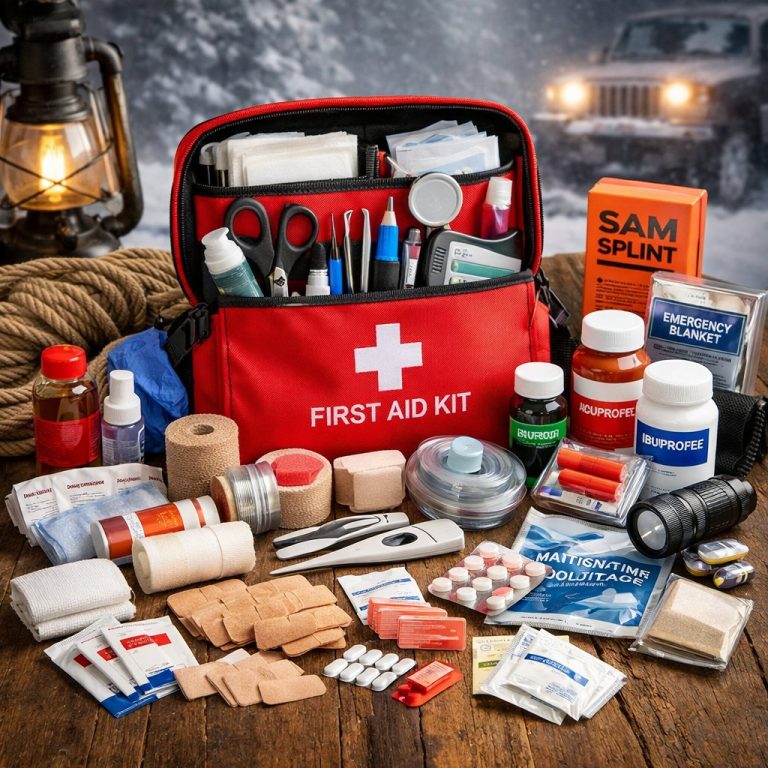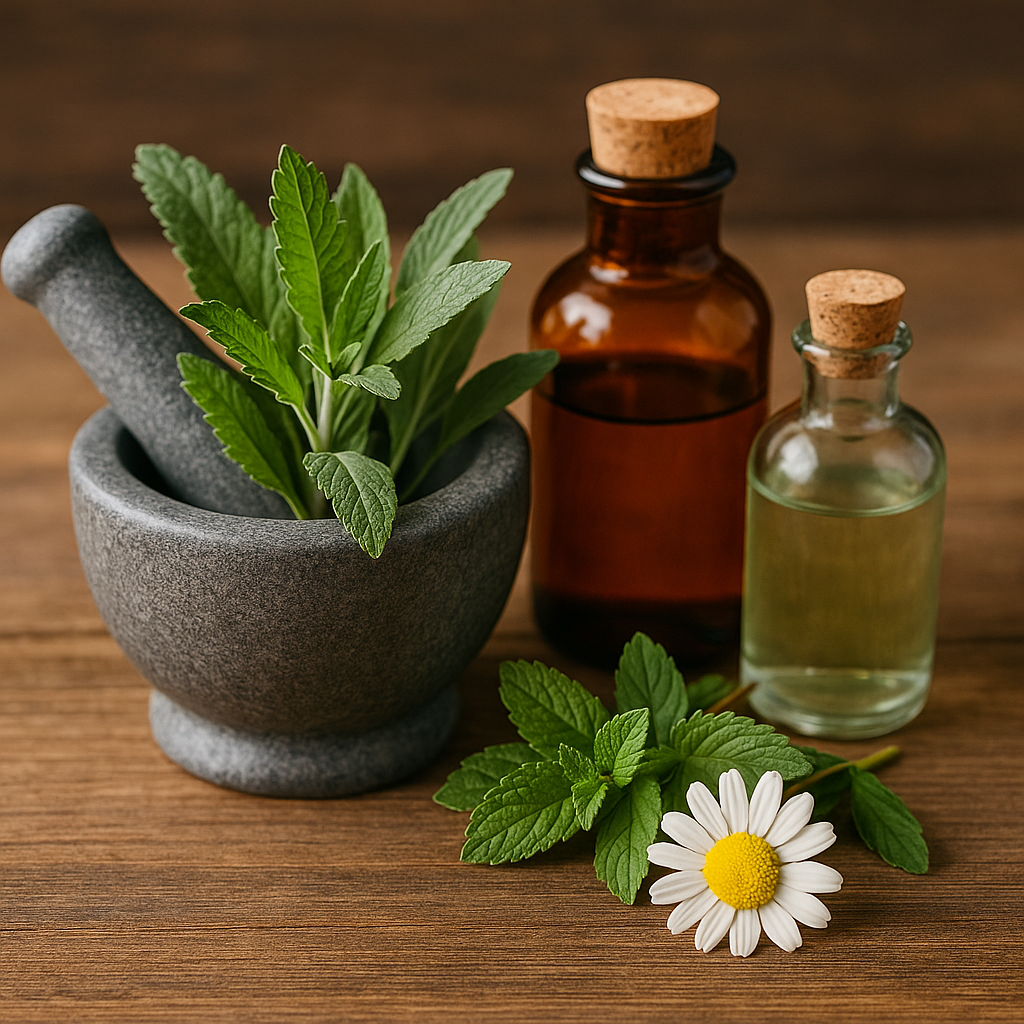
When most people think about medical preparedness, they picture shelves stocked with over-the-counter medications, prescription drugs, and first aid supplies. While these are vital, an often-overlooked part of a well-rounded medical plan is natural medicine. Herbal remedies and traditional healing practices have been used for thousands of years and can serve as an essential backup when conventional options are limited or unavailable.
Why Natural Medicine Matters
- Supply Chain Vulnerability
In a crisis—whether it’s a natural disaster, pandemic, or economic collapse—modern medical supply chains can break down. Pharmacies may run out of stock, and hospitals may prioritize critical cases. Having knowledge of natural medicine ensures you aren’t entirely dependent on external systems. - Long Shelf Life and Sustainability
Many pharmaceutical medications have short shelf lives and require controlled storage conditions. In contrast, dried herbs, tinctures, and salves can be preserved for long periods with minimal effort, making them a sustainable addition to your supplies. - Accessibility and Self-Reliance
Herbs can often be grown in your garden, harvested from the wild, or purchased inexpensively in bulk. Building this skill set fosters greater self-reliance and reduces dependence on expensive or inaccessible healthcare systems during emergencies. - Complementary Care
Natural remedies can complement modern medicine. For example, ginger tea may ease nausea while antibiotics fight infection. Lavender oil can calm anxiety, while conventional painkillers address acute pain. Used wisely, natural medicine can expand your treatment options without replacing critical modern care.
Practical Natural Medicines to Consider
- Echinacea: Supports the immune system and may reduce the severity of colds.
- Garlic: Natural antimicrobial with benefits for cardiovascular health.
- Aloe Vera: Soothes burns, skin irritations, and minor wounds.
- Chamomile: Useful for sleep, digestion, and calming nerves.
- Willow Bark: Known as “nature’s aspirin,” it can ease pain and inflammation.
- Plantain (the herb, not the banana): Excellent for insect bites, stings, and minor skin wounds.
These examples represent just a fraction of what’s available. The real power lies in tailoring your natural medicine cabinet to your environment, climate, and personal health needs.
Cautions and Responsible Use
It’s important to note that “natural” doesn’t always mean “safe.” Herbs can interact with prescription medications or cause side effects if misused. Always research dosages carefully, consult with trained herbalists when possible, and test remedies cautiously before relying on them in emergencies.

Building Natural Medicine into Your Medical Plan
- Start Learning Now – Don’t wait for an emergency to identify medicinal plants. Study local species and practice making tinctures, salves, and teas.
- Grow a Medicinal Garden – Even a small plot or container garden can provide you with valuable herbs.
- Stock and Rotate – Just like food storage, your natural medicine supplies should be stored properly and rotated regularly.
- Combine with Conventional Supplies – Natural medicine is not a replacement for antibiotics, prescription meds, or trauma care. It’s a supplement that broadens your treatment capabilities.
Final Thoughts
Including natural medicine in your medical plan isn’t about rejecting modern healthcare—it’s about strengthening your resilience. In a world where access to pharmaceuticals may not always be guaranteed, natural remedies provide an additional layer of security and self-reliance. By combining traditional knowledge with modern medical preparedness, you can ensure your health plan is both robust and adaptable, no matter what challenges lie ahead.