A practical, instructional skill for when conditions are working against you
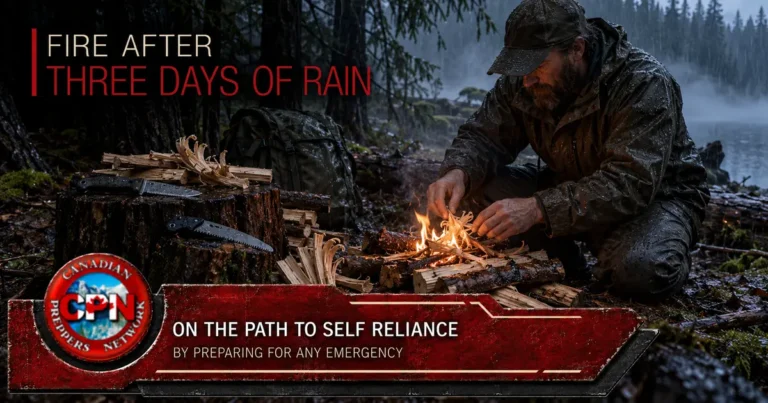
In much of Canada, fire failure isn’t dramatic. It’s gradual. Snow absorbs heat, wet ground drowns embers, and cold hands make simple mistakes costly. People often have fuel and ignition tools, yet still fail because heat is lost faster than it’s produced. This guide focuses on building fire in the conditions Canadians actually face—cold, wet, and unforgiving.
This is not about bushcraft aesthetics. It is about staying alive and functional.
Control Heat Loss Before You Create Heat
Fire should never be started directly on snow, frozen soil, or saturated ground. These surfaces act as heat sinks and will kill a flame no matter how good your ignition method is.
In winter or wet shoulder seasons, take time to build a small insulated platform. Pack snow hard, then lay green branches, split logs, or bark across the surface. This keeps meltwater from flooding the fire and reflects heat upward where it’s useful. Skipping this step is one of the most common causes of repeated fire failure.
This principle mirrors the heat-loss problems discussed in Dealing With Extreme Cold Grid Down
https://canadianpreppersnetwork.com/dealing-with-extreme-cold-grid-down/
Prepare All Fuel Before Striking a Spark
Cold weather fire demands discipline. Flame duration is short, and scrambling for wood after ignition wastes precious heat.
Fuel should be staged in advance, progressing from fine tinder to small kindling and then to larger fuel. In wet environments, surface wood is unreliable. Split even small sticks to access dry inner fibres. Standing deadwood is always preferable to anything in contact with the ground.
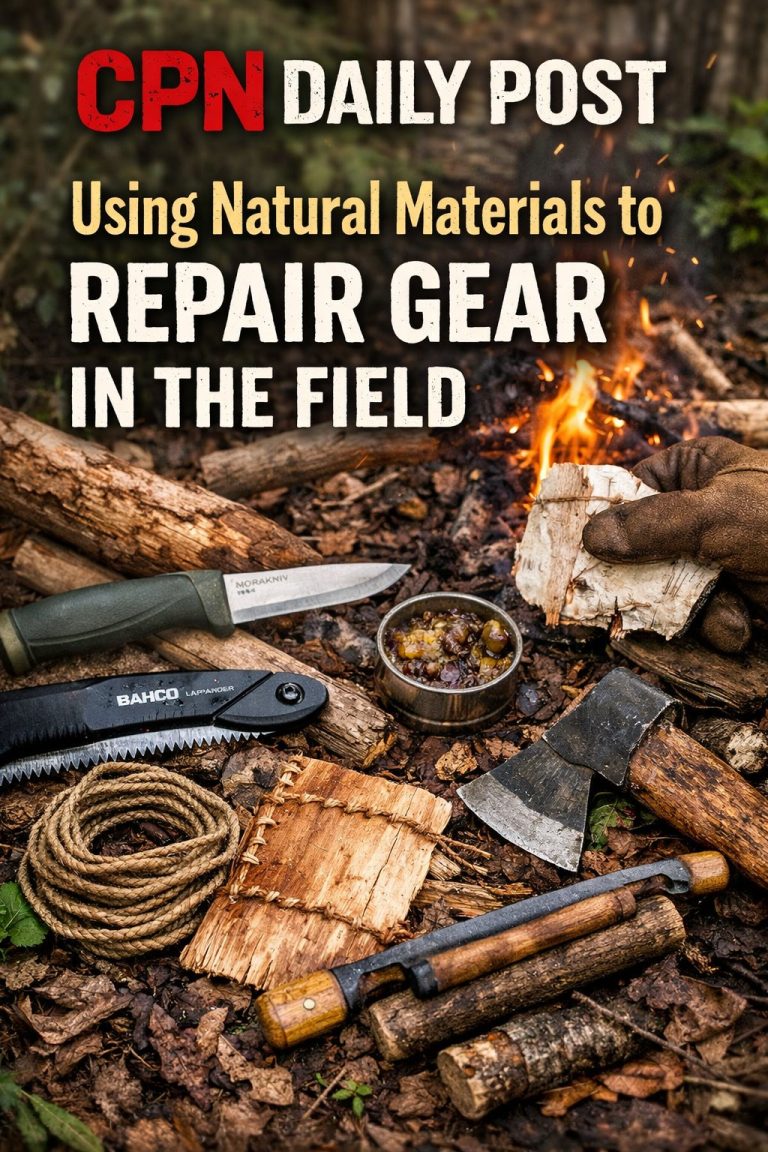
A folding saw dramatically reduces effort and exposure time when processing frozen or damp wood. Many Canadian preppers rely on the Bahco Laplander Folding Saw because it performs consistently in winter conditions and packs easily in a vehicle or rucksack.
👉 https://www.amazon.ca/dp/B0001IX7D4
The importance of deliberate fuel preparation is also reinforced in Winter Shelter & Heat Tips, where inefficient heat management is identified as a leading cause of cold-weather injury.
https://canadianpreppersnetwork.com/winter-shelter-heat-tips/
Prepared Tinder Is Not Cheating
Natural tinder can work, but in prolonged wet or freezing conditions it becomes unreliable. Prepared tinder buys time, and time is survival currency in the cold.
Waxed cotton, petroleum jelly cotton balls, or commercial fire tabs burn longer and hotter than most natural alternatives. Keep tinder sealed and dry, and treat it as a consumable resource—not something to save “just in case.”
This layered approach aligns with the redundancy mindset outlined in Wilderness Skills That Translate to Emergency Preparedness, where no single method is treated as sufficient on its own.
https://canadianpreppersnetwork.com/wilderness-skills-emergency-preparedness/
Ferro Rods Win in Cold and Wet Conditions
Lighters struggle in extreme cold and matches fail in wind. Ferrocerium rods work because they create their own heat.
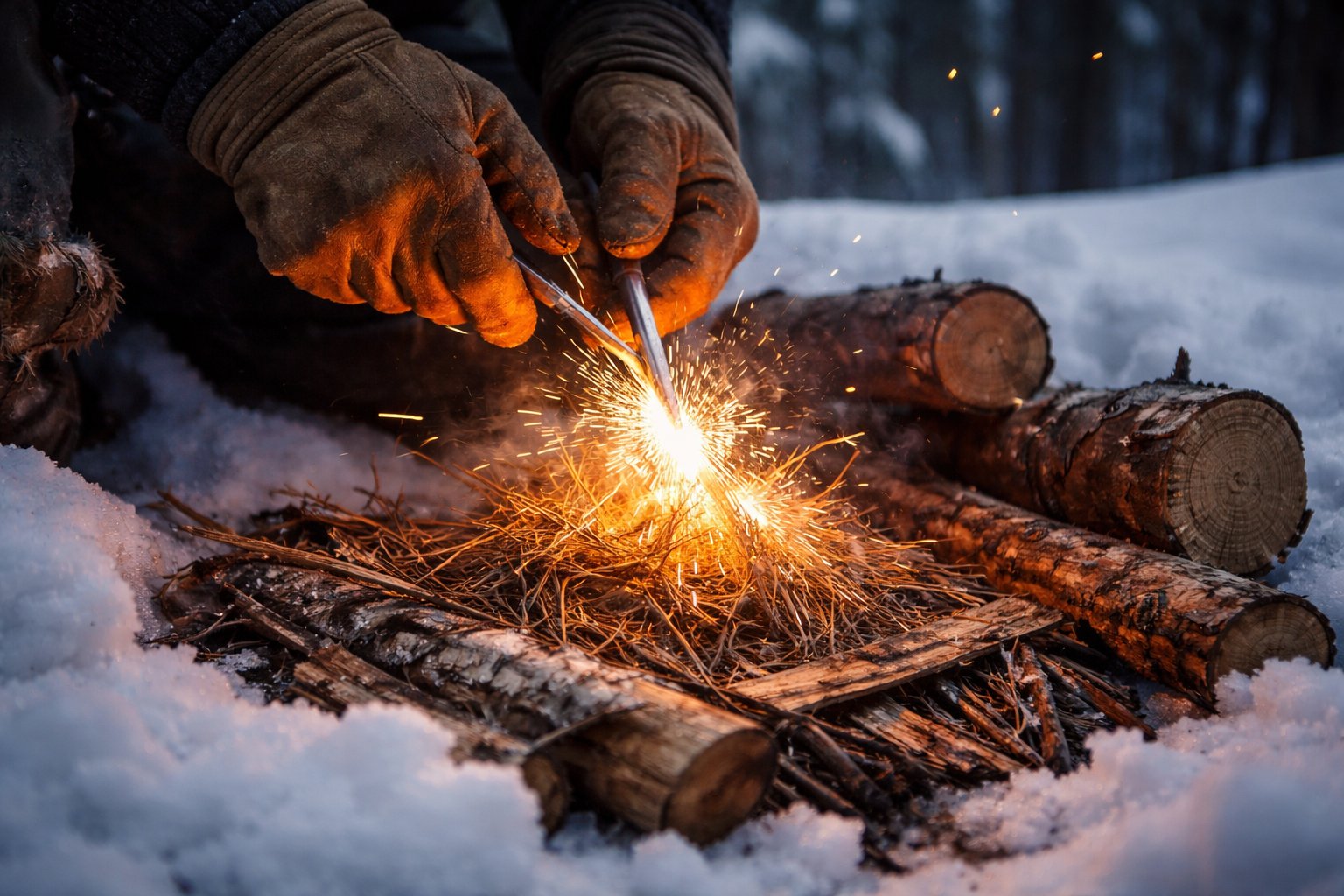
Correct technique matters. Brace the rod against the tinder and pull the striker backward in a controlled motion. This concentrates sparks exactly where they’re needed and prevents scattering the tinder. Once flame appears, feed kindling immediately and protect the fire from wind until it stabilises.
A proven option is the Light My Fire Swedish FireSteel, which continues to spark when wet, frozen, or partially iced over.
👉 https://www.amazon.ca/dp/B004S3K1L8
Structure and Maintenance Keep the Fire Alive
In wet conditions, fire structure determines success. Simple lean-to or log-cabin layouts protect the flame while allowing airflow and drying incoming fuel. Avoid tall teepee fires, which shed heat upward and collapse easily in wind.
As the fire establishes, place damp fuel near the flame to dry before feeding it. A fire that is actively managed consumes less energy than one that must be rebuilt repeatedly.
Practise When Conditions Are Bad
Most people practise fire starting on clear days. That builds confidence but not competence. Real proficiency comes from practising during rain, snowfall, and near-freezing temperatures, using gloves and working slowly.
Short, legal practice sessions close to home reveal weaknesses far better than theory. Skills decay faster than gear, especially those not regularly exercised.
Why This Skill Matters
Fire in Canadian conditions is more than warmth. It dries clothing, purifies water, stabilises morale, and prevents small mistakes from becoming fatal ones. The ability to produce flame under adverse conditions is a dividing line between inconvenience and danger.
Fire craft remains a core wilderness and preparedness skill for a reason.