
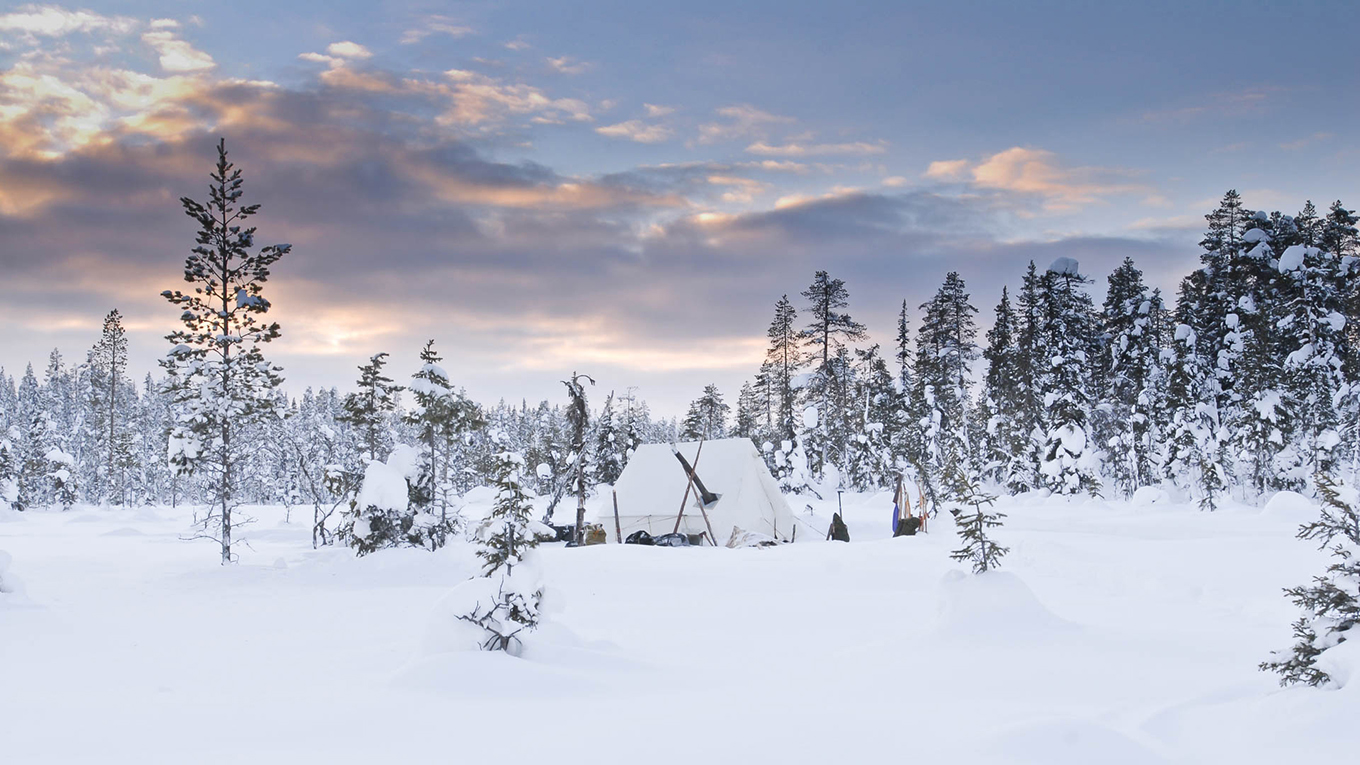
For Canadian preppers, wilderness skills are often treated as optional — something useful for camping or recreation, but separate from everyday preparedness. Winter has a way of proving otherwise. When vehicles fail, roads close, power drops, or navigation becomes unreliable, the line between “home” and “wilderness” disappears quickly.
In Canada, wilderness conditions don’t only exist deep in the backcountry. They appear on secondary highways, rural properties, logging roads, frozen lakes, and even suburban green spaces after storms. Wilderness skills are not about living off the land indefinitely. They are about staying functional long enough to reach safety when systems fail.
Cold Turns Small Mistakes Into Serious Problems
In mild conditions, errors are forgiving. In winter, they compound. Wet clothing, poor shelter placement, or inefficient movement can drain heat and energy far faster than expected. This is why wilderness skills focus less on speed and more on heat management, efficiency, and decision-making.
Knowing how to layer properly, control moisture, and regulate exertion matters more than toughness. A person who understands when to stop, when to shelter, and when to move conserves energy and avoids cascading failures like hypothermia or injury.
These skills matter just as much during short-duration incidents — a stranded vehicle, a missed trail exit, or an overnight delay — as they do in longer emergencies.
Shelter Is Priority One in Canadian Wilderness Conditions
In winter, shelter comes before food and often before water. Wind and exposure strip heat rapidly, especially after sunset. Wilderness shelter doesn’t need to be elaborate, but it must block wind, insulate from ground contact, and reduce radiant heat loss.
Natural features like terrain, tree cover, and snow can be used effectively when you understand how cold air moves and settles. Even simple shelters become dramatically more effective when placed correctly.
Carrying lightweight shelter materials adds margin. A compact emergency bivy or thermal shelter (https://amzn.to/3QH7ZpM) weighs very little but provides immediate wind and moisture protection if conditions deteriorate unexpectedly. In Canadian winter environments, that margin can prevent an inconvenience from becoming a medical emergency.
Fire Skills Are About Reliability, Not Drama
Fire is often romanticized, but in winter it is a practical tool: heat, morale, drying capability, and signaling. Wilderness fire skills focus on consistency, not spectacle.
Cold, damp conditions make ignition more difficult. Snow, frozen ground, and wind all work against fire-building efforts. Knowing how to prepare a site, process dry material from standing deadwood, and protect flame from wind is more important than carrying flashy ignition tools.
Reliable fire starters designed for wet or cold conditions (https://amzn.to/3XrM5yA) quietly improve success rates when conditions are poor. They don’t replace skill, but they reduce the penalty for mistakes when dexterity is limited and time matters.
Navigation Skills Matter When Technology Fails
GPS works until it doesn’t. Batteries drain faster in cold weather, screens become unresponsive, and signal drops in forested or remote areas. Wilderness navigation skills provide redundancy when digital tools fail.
Understanding terrain association, winter landmarks, and basic map-and-compass use allows continued movement even when electronics are unreliable. In snow-covered environments, recognizing subtle elevation changes, tree density, and wind exposure helps maintain orientation.
A quality baseplate compass suitable for cold conditions (https://amzn.to/3ZK8WvP) is a low-tech tool that doesn’t care about temperature, signal, or battery life. Paired with basic map skills, it ensures navigation remains possible under adverse conditions.
Wilderness Skills Reduce Panic and Bad Decisions
Perhaps the most important function of wilderness skills is psychological. Cold, isolation, and uncertainty amplify stress. People without experience often rush decisions — moving too far, too fast, or too late.
Practiced skills create confidence grounded in realism. Knowing how to shelter, conserve heat, and wait safely reduces the urge to make risky choices. In winter, doing less is often safer than doing more.
This is why wilderness skills translate directly into broader preparedness. They teach patience, energy management, and respect for environmental limits — lessons that apply equally to power outages, evacuations, and off-grid living.
Actionable Steps for This Week
Before your next trip, commute, or winter storm:
- Review how you would shelter if forced to stop overnight
- Practice lighting a fire in cold or damp conditions
- Refresh basic compass use without electronics
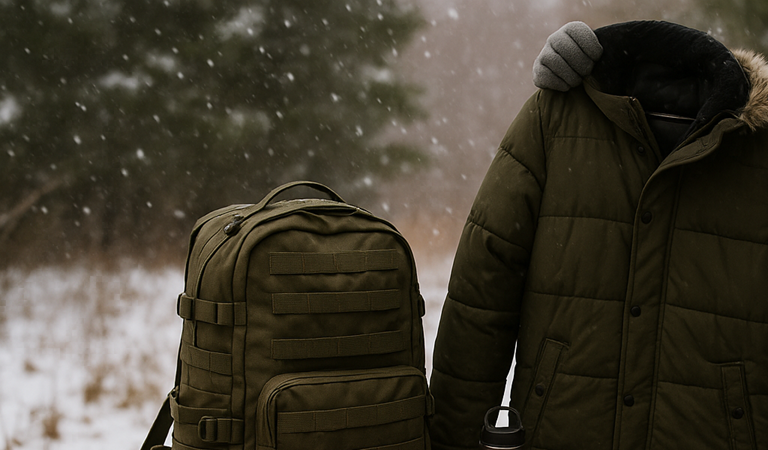
- Audit winter clothing for moisture management, not just warmth
Skills practiced briefly are skills available under stress.
Acres of Preparedness
Wilderness skills are foundational, but long-term resilience requires systems. Acres of Preparedness connects individual capability — shelter, fire, navigation, food, and water — into a broader framework of land use, infrastructure, and community resilience designed for Canadian environments.
One Comment