
Emergency Heat Supplies Canada: Complete Buying Guide
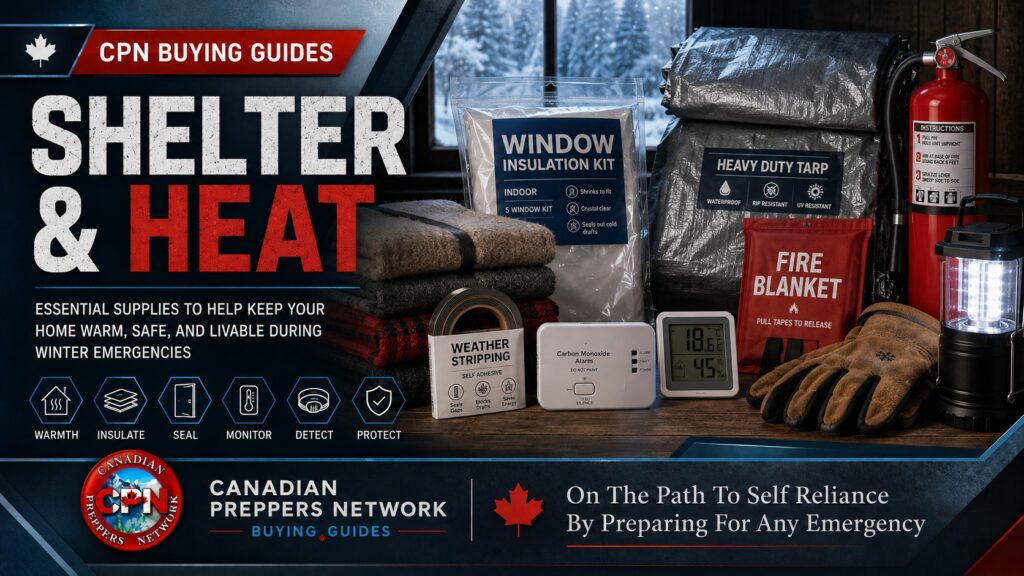
In Canada, shelter and heat are not comfort items. They are survival systems.
A winter power outage, furnace failure, ice storm, fuel interruption, or major home repair problem can turn an ordinary house into a cold-weather emergency faster than many people expect. The danger is not always dramatic at first. It often begins with a falling indoor temperature, frozen pipes, poor lighting, blocked roads, and a family trying to decide which rooms can still be kept livable.
This buying guide focuses on practical supplies that help Canadian households retain heat, monitor indoor conditions, reduce drafts, create warm sleeping zones, improve fire safety, and keep part of the home usable when normal heating systems fail.
The goal is not to heat the entire house at all costs. The goal is to make the home lose heat more slowly, keep people warm directly, monitor safety, and create one reliable warm zone until normal systems come back.
Start Here: Core Shelter and Heat Supplies
If you are building a winter outage plan from scratch, start with supplies that help you retain heat, detect danger, and keep people warm without relying on unsafe improvisation.
Weather Stripping for Doors and Windows
These categories build the foundation: direct warmth, draft control, indoor temperature awareness, carbon monoxide detection, and basic fire safety.
Best For Keeping People Warm: Wool Blankets and Cold-Weather Bedding
When heat becomes limited, the first goal is not to keep the whole house comfortable. The first goal is to keep people warm.
Wool blankets are one of the most useful cold-weather preparedness items because they are durable, reusable, and effective without fuel, batteries, or electricity. They can be used on beds, couches, floors, vehicles, and emergency sleeping areas.
Cold-weather sleeping bags, insulated sleeping pads, heavy quilts, and flannel sheets can help create a warm sleeping zone in one room. In a serious winter outage, gathering people into one smaller area is often more practical than trying to maintain comfort throughout the whole house.
Best For Heat Retention: Thermal Curtains and Window Insulation
Windows are a major weak point in many homes.
During winter outages, even a small reduction in heat loss can matter. Thermal curtains, window insulation film, draft blockers, and temporary window coverings can help slow the loss of heat and make selected rooms easier to manage.
The best approach is to choose one or two rooms that can become the winter emergency living area. Those rooms should be easier to close off, easier to monitor, and easier to insulate quickly.
Thermal Reflective Blanket Rolls
Best For Draft Control: Weather Stripping and Door Sealing
Cold air leaks make every heating plan work harder.
Weather stripping, door sweeps, foam tape, caulking, and temporary sealing materials can make a noticeable difference before an emergency ever happens. These are not exciting purchases, but they are often better value than buying more heat after the home has already lost it.
Draft control is especially useful in older Canadian homes, cottages, farmhouses, mobile homes, workshops, and outbuildings. It also helps reduce normal winter heating costs, which means these supplies are useful even when there is no emergency.
Weather Stripping for Doors and Windows
Best For Safety: Carbon Monoxide Detectors and Fire Extinguishers
Any shelter and heat plan must begin with safety.
Cold-weather emergencies often cause people to use backup heat, generators, camp stoves, candles, fireplaces, wood stoves, propane appliances, or other systems they do not normally rely on. That increases the risk of carbon monoxide exposure and fire.
Carbon monoxide detectors should be part of every household emergency plan. Fire extinguishers should be accessible, inspected, and placed where they can actually be reached. Smoke alarms, battery backups, and simple fire-safety tools are not optional extras when people are heating, cooking, or lighting a home under abnormal conditions.
Battery-Operated Carbon Monoxide Detectors
Smoke and Carbon Monoxide Detectors
Best For Monitoring Conditions: Thermometers and Hygrometers
You cannot manage what you cannot measure.
During a winter outage, an indoor thermometer helps you track whether a room is holding heat or becoming unsafe. A simple indoor/outdoor thermometer can show how quickly the home is losing warmth. A hygrometer can help track humidity, which matters for condensation, dampness, mould risk, stored food, and comfort.
Thermometers are especially useful if you are closing off unused rooms, protecting pipes, monitoring a basement, or deciding whether stored water, canned goods, or pantry items are at risk of freezing.
Best For Temporary Repairs: Tarps, Plastic Sheeting, and Tape
Shelter problems are not always about heating equipment.
A winter storm can damage shingles, break windows, tear siding, flood a basement, or create leaks. A home can also lose heat because of a broken window, damaged door, failed vent, or opening that needs to be sealed quickly.
Tarps, plastic sheeting, contractor bags, duct tape, foil tape, rope, and basic repair supplies are worth keeping on hand. These items can help cover damage, block wind, protect belongings, and create temporary barriers until proper repairs are possible.
Best For Creating a Warm Zone
In a prolonged winter outage, heating the whole house may not be realistic.
A better plan is often to create a warm zone. This may be one bedroom, one basement room, one living room, or another enclosed area where people can sleep, eat, and stay together. Smaller spaces are easier to insulate, easier to monitor, and easier to keep warm.
Room dividers, blankets, tarps, tension rods, and temporary barriers can help reduce the space you are trying to manage. This is not about making the home beautiful. It is about reducing heat loss and making one area more survivable.
Best For Backup Heat Support
Backup heat must be handled carefully.
Some households use wood stoves, fireplaces, propane heaters, kerosene heaters, generators, or other backup systems. Each option has its own safety requirements, ventilation needs, fuel storage concerns, maintenance requirements, and legal considerations.
This guide does not treat portable heat as a casual plug-and-play solution. Before using any combustion-based heater, read the manufacturer’s instructions, follow local rules, provide proper ventilation where required, and make sure carbon monoxide detection is in place.
Useful support supplies may include stove fans, fireplace tools, ash buckets, heat-resistant gloves, fire starters, and maintenance items.
Best For Lighting During Shelter-In-Place Conditions
Shelter and heat overlap with lighting.
When the power is out, people need to move safely, check heaters, read thermometers, find supplies, use bathrooms, cook, and avoid accidents. Poor lighting makes every household task harder.
For this guide, lighting supports shelter-in-place conditions. The larger backup power system belongs in the Energy buying guide, but every cold-weather shelter plan should still include safe lighting.
What To Buy First
For a Canadian shelter and heat plan, start with the items that make the home safer and warmer before adding more complicated systems.
Buy first:
- Wool blankets
- Thermal curtains
- Weather stripping
- Door draft stoppers
- Carbon monoxide detectors
- Home fire extinguishers
- Indoor/outdoor thermometers
Then expand into:
- Window insulation kits
- Cold-weather sleeping bags
- Tarps and plastic sheeting
- Room divider curtains
- Wood stove or fireplace support supplies
- Rechargeable lanterns and headlamps
This order builds the system properly. First you retain heat. Then you monitor safety. Then you create warm zones. Then you improve backup systems.
Related CPN Reading
Final Buying Advice
Do not start with the fantasy of heating an entire house through a major winter blackout.
Start by making the house lose heat more slowly. Keep people warm directly. Seal drafts. Monitor temperatures. Detect carbon monoxide. Keep fire safety within reach. Create one room that can remain livable longer than the rest of the house.
That is the practical foundation of shelter and heat preparedness in Canada.
Backup heat matters, but heat retention, safety monitoring, and warm-zone planning should come first.
Amazon Disclosure:
As an Amazon Associate, Canadian Preppers Network may earn from qualifying purchases made through links in this guide. This does not change the price you pay, but it helps support the site.
, but it helps support the site.