Power outages are no longer rare events. From seasonal storms and ice build-up to overloaded grids and wildfires, blackouts are a growing part of life across North America. For preppers and off-grid thinkers, this isn’t a cause for panic—it’s a chance to take control.
Having a reliable backup power system is essential for keeping your family warm, your food preserved, your devices charged, and your security intact.
Let’s break down the best alternative power options available today, from simple battery backups to full-scale solar systems.
🔋 1. Portable Battery Power Stations
Best For: Charging phones, running LED lights, powering laptops, CPAPs, radios
These silent, rechargeable devices are ideal for short-term blackouts. They charge via wall outlet, car port, or solar panel and are incredibly user-friendly.
Pros:
- Quiet and fume-free
- Safe for indoor use
- Lightweight and portable
- Multiple AC & USB ports
Cons:
- Limited watt-hour capacity
- Not ideal for high-draw items (heaters, freezers)
Prepper Tip: Pair with a folding solar panel to recharge off-grid.
🔌 2. Gasoline or Propane Generators
Best For: Fridges, sump pumps, space heaters, power tools
The classic standby. Gas-powered generators deliver a lot of juice and are relatively affordable. Dual-fuel models that run on propane offer flexibility and longer shelf-life for stored fuel.
Pros:
- High output (1000–10,000+ watts)
- Can power entire homes with transfer switch
- Easy refueling options
Cons:
- Noisy and requires ventilation
- Regular maintenance required
- Fuel storage has risks and limits
Prepper Tip: Store treated fuel and run your generator monthly to keep it functional.
☀️ 3. Solar Power Systems
Best For: Long-term off-grid living, sustainable energy independence
Solar is the holy grail of renewable energy for preppers. A basic system includes panels, charge controller, inverter, and batteries.
Pros:
- Silent, clean energy
- Long-term savings
- Ideal for off-grid cabins or homesteads
- Works during fuel shortages
Cons:
- High upfront cost
- Needs sun and battery storage
- Takes up space
Prepper Tip: Start small with a solar generator and scale up as budget allows.
🏕️ 4. Power Inverters + Car Battery
Best For: Emergency phone charging, fans, lights
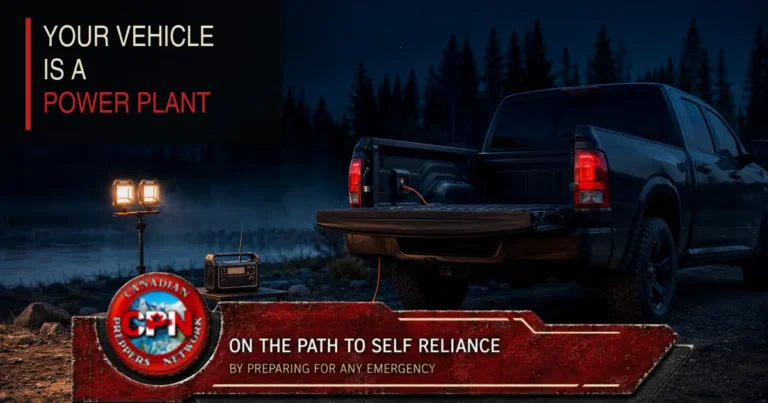
A simple inverter lets you convert 12V DC power from your vehicle’s battery into 110V AC. Plug it into your car, start the engine periodically, and power small devices.
Pros:
- Cheap and compact
- Very useful in short-term events
Cons:
- Drains car battery if misused
- Low power output
Prepper Tip: Keep a dedicated deep cycle battery charged for this purpose.
🔥 5. Human & Thermal Energy Alternatives
Best For: Short emergencies, minimalist or wilderness prepping
- Hand-crank radios & flashlights
- Thermoelectric stoves like BioLite (generate power from heat)
- Pedal-powered generators (niche but effective)
While not suitable for large loads, these tools prove that power doesn’t have to be complicated—or electronic.
⚖️ Choosing the Right Setup
| Priority | Best Option |
|---|---|
| Short blackouts | Battery station + solar panel |
| Powering appliances | Dual-fuel gas generator |
| Long-term off-grid | Full solar + battery bank |
| Urban preppers | Portable solutions + fuel storage |
| Budget limited | Inverter + vehicle, crank tools |
🎯 Final Thoughts
Power failures aren’t rare—they’re a test. Your ability to respond without panic depends entirely on how well you’ve prepared in advance.
Don’t wait for the lights to go out. Whether you’re building a homestead or prepping from an apartment, there’s a backup power solution that fits your needs and budget.
Preparedness isn’t just about survival—it’s about peace of mind, even when the grid goes dark.