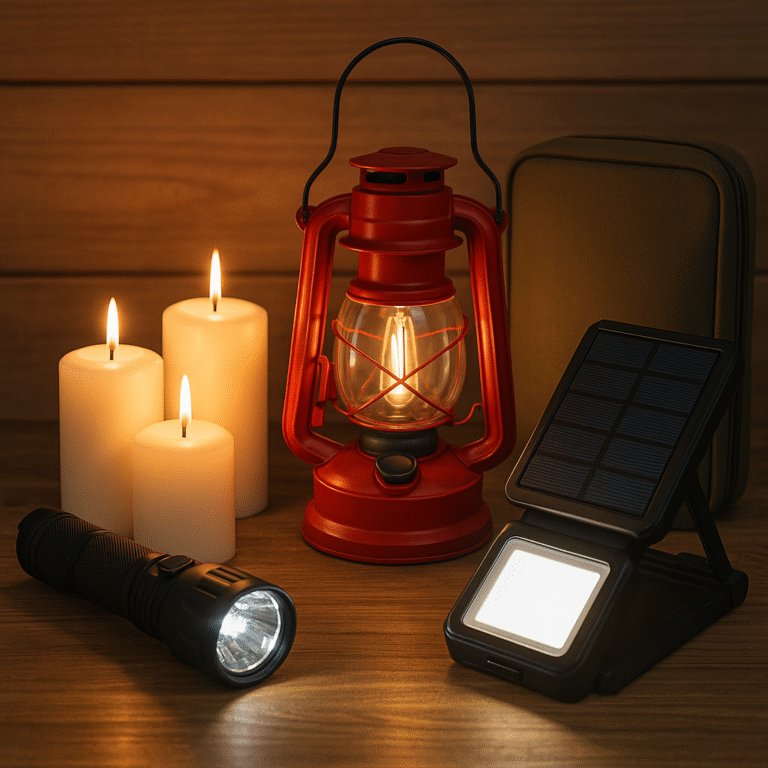
When the grid goes down during extreme cold, survival becomes a battle against time and temperature. In a Canadian winter—or anywhere temperatures routinely drop below freezing—you cannot afford hesitation. Heat loss is immediate, water systems freeze quickly, and shelter becomes your number-one priority. Preparing for this scenario is essential, but knowing how to respond in the moment can save lives.
1. Secure and Heat Your Primary Shelter
The warmest place available is always the best option. Before attempting alternative heating methods, focus on heat retention.
• Seal drafts immediately
Use towels, blankets, plastic sheeting, garbage bags, or even duct tape to block leaks around windows and doors. Heat lost through drafts can be the difference between survivable cold and disaster.

• Consolidate to one or two rooms
Choose smaller interior rooms with the fewest windows—bedrooms, walk-in closets, or hallways often work best. Hang blankets or tarps over doorways to reduce heat loss.
• Insulate from the inside
Add blankets or foam boards to windows, roll towels at thresholds, and place rugs or cardboard over cold floors. Every layer counts.
2. Alternative Heating Options (Grid-Down Safe Practices)
Not all heat sources are created equal, and some can kill you faster than the cold. Follow strict safety principles.
• Woodstove or fireplace
If you have one, this is your best and safest high-output heat source. Burn seasoned wood and keep the area clear of combustibles.
• Indoor-safe propane heaters
Models like Mr. Buddy (CSA-approved) can safely heat small spaces if used with:
- A working carbon monoxide detector
- Adequate ventilation
- Limited runtime to prevent moisture buildup
• Terracotta pot / candle heaters (ONLY as supplemental heat)
These do not produce much heat but can slightly raise the temperature in a small enclosed room.
• Hot-water bottles
Boil water on a propane camp stove or woodstove and fill metal bottles, canteens, or even sealed jars. Wrap them in towels and place in sleeping bags or pockets.
3. Stay Warm With Layering and Smart Clothing Choices
Hypothermia doesn’t require subzero temperatures—only heat loss faster than your body can replace it.
• Use the “C.O.L.D.” principle:
- Clean clothing
- Overheating avoided
- Loose and layered
- Dry at all times
Moisture is the enemy. Change socks regularly, even if it means sacrificing water to dry them near a heat source.
4. Keep Your Water Supply From Freezing
Without flowing heat, water systems freeze quickly. Preventing this may save your pipes—and your sanity.
• Let faucets drip
Even a slow trickle helps prevent frozen lines.
• Open cabinet doors
Allow warm air to circulate around kitchen and bathroom plumbing.
• Store water indoors
Snow is not an efficient water source; melting it takes far more energy than storing pre-filled containers.
• Insulate your well head and pressure tank
If off-grid, wrap them with insulation, blankets, or straw. If you lose power to well pumps, have hand pumps or manual hauling options ready.
5. Manage Your Food Without Power
Food can freeze in a cold house, but that isn’t always bad—it simply becomes a winter version of a freezer.
• Use the outdoors carefully
Store perishables in coolers placed outside with lids secured against animals.
Avoid leaving food directly in snow; temperature swings can spoil items.
• Cook safely
Propane camp stoves, butane burners, and outdoor grills work—but never use BBQs indoors due to carbon monoxide risk.
6. Nighttime Survival Tactics
Most fatalities in severe cold happen overnight when temperatures drop and people fall asleep unprepared.
• Sleep in shared spaces
Body heat is a powerful resource. Use a single room for all household members.
• Use sleeping bags rated for your climate
Winter-rated bags trap heat far better than blankets.
• Tent-inside-a-room trick
Set up a camping tent indoors. Your body heat warms a much smaller volume of air.
7. Protect Your Electronics, Batteries & Power Banks
Cold kills battery capacity.
- Keep power banks in pockets or sleeping bags.
- Insulate solar batteries or store them in heated spaces.
- Avoid charging lithium batteries when below freezing—they can be permanently damaged.
8. Maintain Situational Awareness
Cold weather emergencies can cascade into larger threats.
• Monitor for frostbite & hypothermia
Signs include shivering, slurred speech, confusion, numb fingers, and disorientation.
• Check on neighbours and MAG group members
The elderly, disabled, and families with infants are at higher risk.
• Keep communication tools warm and ready
Handheld radios, whistles, and signal devices should stay accessible.
9. Long-Term Preparedness Lessons
Grid-down in extreme cold is one of the hardest scenarios to survive. Integrate these long-term solutions into your plans:
- Install a woodstove or secondary heat source
- Stockpile propane and firewood
- Insulate pipes, attics, and basements
- Store thermal curtains, window kits, and draft blockers
- Keep high-calorie foods and winter-rated emergency gear
- Train your MAG group in winter survival procedures
Preparedness isn’t about fear—it’s about removing the uncertainty that cold weather brings.