
You’re a Canadian and you need heat! According to a statscan report, about 94% of Canadians use a heat source that relies on electricity. Given the fragility of the electrical grid, this poses a huge concern when the power company fails to deliver juice to your home. Forced air or water circulation heating systems fueled by oil, natural gas or propane still require electricity to both cause a spark to ignite the fuel and to run fans or pumps to circulate warm air or water. Of course, electric baseboard heaters are completely useless in a power failure. For short term outages, there are any number of fuel fired space heaters that can help but for long term off grid heating, the only real option is wood. Heating with wood is a great way to have a renewable source of home heating, but it’s not all romance and free BTUs.
The first thing you will need to be able to heat with wood is a stove. There may be restrictions in your town as to the efficiency of the stove you can install. Some major cities have even banned wood burning stoves and fireplaces for all but a few situations, so check with local authorities before making a purchase.
Installation of a wood stove is not trivial. There are clearances to observe and holes to cut in your walls or roof. An improperly installed wood stove is a fire hazard. Burning your house down is NOT what you want to have to deal with in a disaster situation. Have your stove professionally installed. Your insurance company may also insist on this. Do not jerry rig your stove like this:

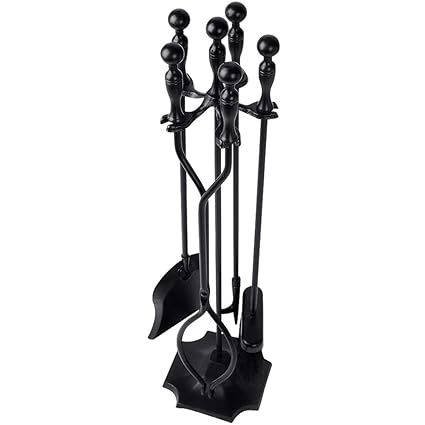
You will also need basic tools for your wood stove. There are fireplace tool sets available at almost any home center. Usually these will include a poker, log grabber, brush and scoop. You may also want a log holder to have a small supply of firewood close at hand indoors. A pair of heavy duty gloves is also a good idea such as welding gloves or insulated work gloves.
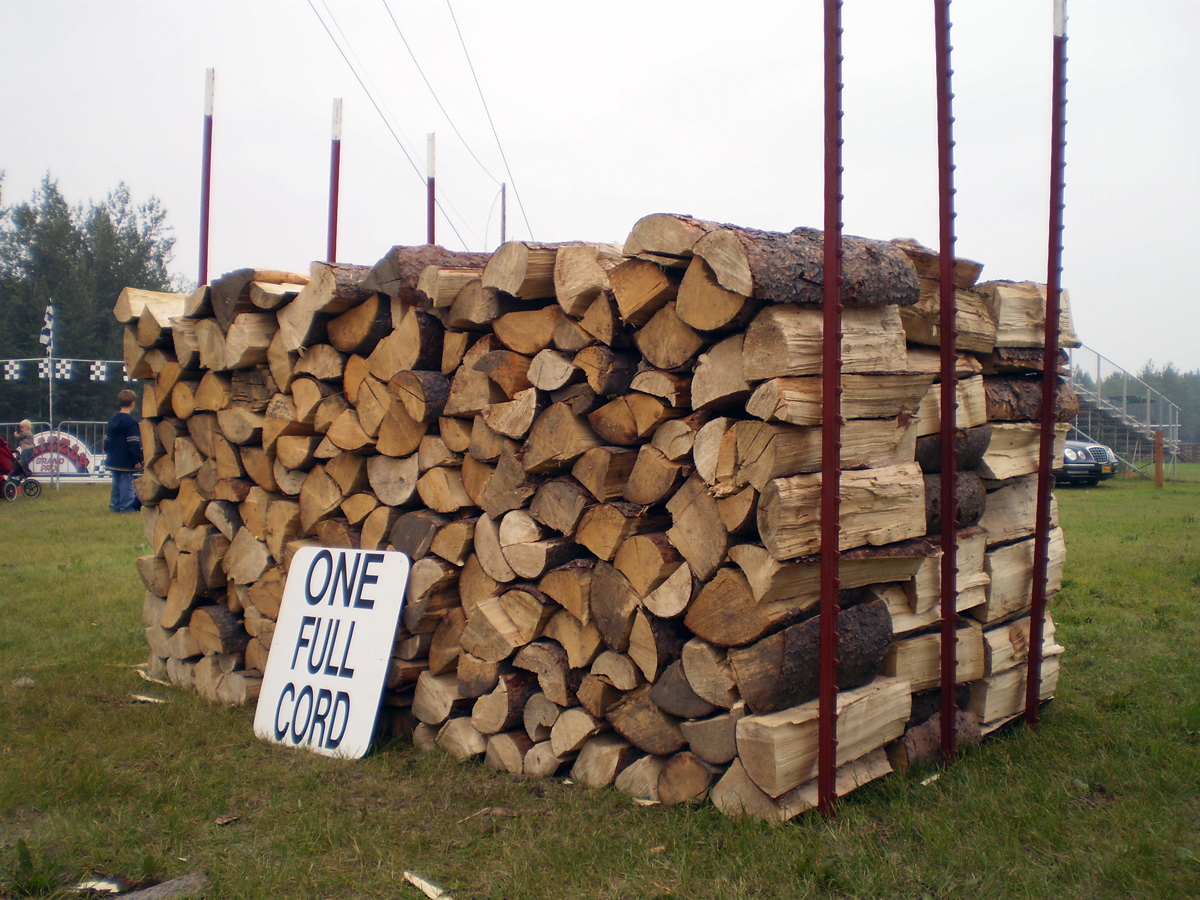
Firewood is measured in cords. A “real” cord of firewood is 3 stacks of 16″ split wood 8′ long by 4′ high. Most firewood suppliers however will refer to a cord as only 1 of these stacks (16″ X 8′ X 4′), which old timers will refer to as a face cord or a stove cord. So how much wood will I need? That of course depends on the size of your home and the stove you have purchased. Most stoves have a rating as to how many square feet they will reliably heat. Know that number before you head out to talk to the salesperson. To get an idea for your individual needs, heat your home with only wood for one week during average winter temperatures. Multiply this volume of wood by the number of weeks you anticipate needing heat (I used 20 weeks for this calculation) and stock up on wood accordingly. Yes, there will be colder periods in the dead of winter but there will also be milder periods in fall and spring, so it will pretty much average out. Add a percentage extra just in case.
Ideally, you want seasoned hardwood for your stove. Hardwoods are basically any tree that bears leaves. There are of course better species such as ash, maple, or birch but even poplar can be burned in your stove with a decent heat output. That’s not to say that if all you can get your hands on is pine, spruce or fit that you shouldn’t use it. In fact, many lumber mills will sell off cuts of waste wood for that purpose. Using unseasoned or softwoods will simply mean that you will need to clean your chimney more often.
Keep in mind that heating with wood is not like other heating systems. Your wood stove was not designed by Ron Popeil.

Wood stoves need constant attention. A good fire may last for a few hours, but don’t leave a working stove alone for extended periods. Even though your chimney is designed to be as safe as possible, forgetting to close a draft lever can cause your fire to burn out of control and heat exhaust gases in the chimney to an excess of 2000 degrees F and risk a house fire.
Be warned that morning can be chilly. Unless you get up once or twice in the night to fill the stove, it will likely be burned down to a simmering bed of coals by morning when outdoor temperatures are lowest and heat loss from your home are highest. You will also experience hot spots and cool spots in your home. Areas nearer to the stove may have to get warmer than you would like in order to keep areas further away warm enough. Closing bedroom doors at night and curling up under blankets will help keep the rooms with your fire warmer. Try to locate your stove near the kitchen and bathroom to maximise warmth for your plumbing and avoid pipes freezing up.
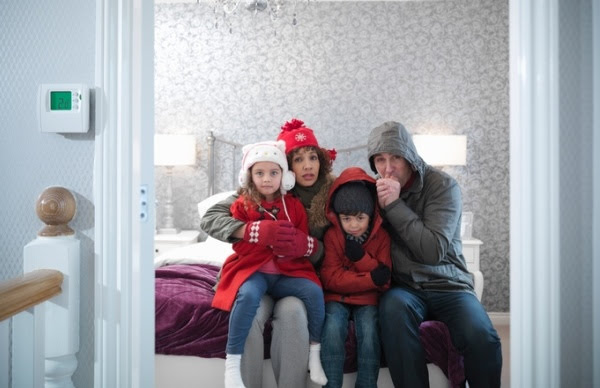
Heating with wood is not all romance and rainbows. Bringing firewood into your home means you will be opening outside doors and losing heat. Let’s not forget the sawdust, chips of wood and bark all over the floor and insects that come indoors with your wood. You will be sweeping floors much more often. Believe me, you will also become an expert splinter remover.

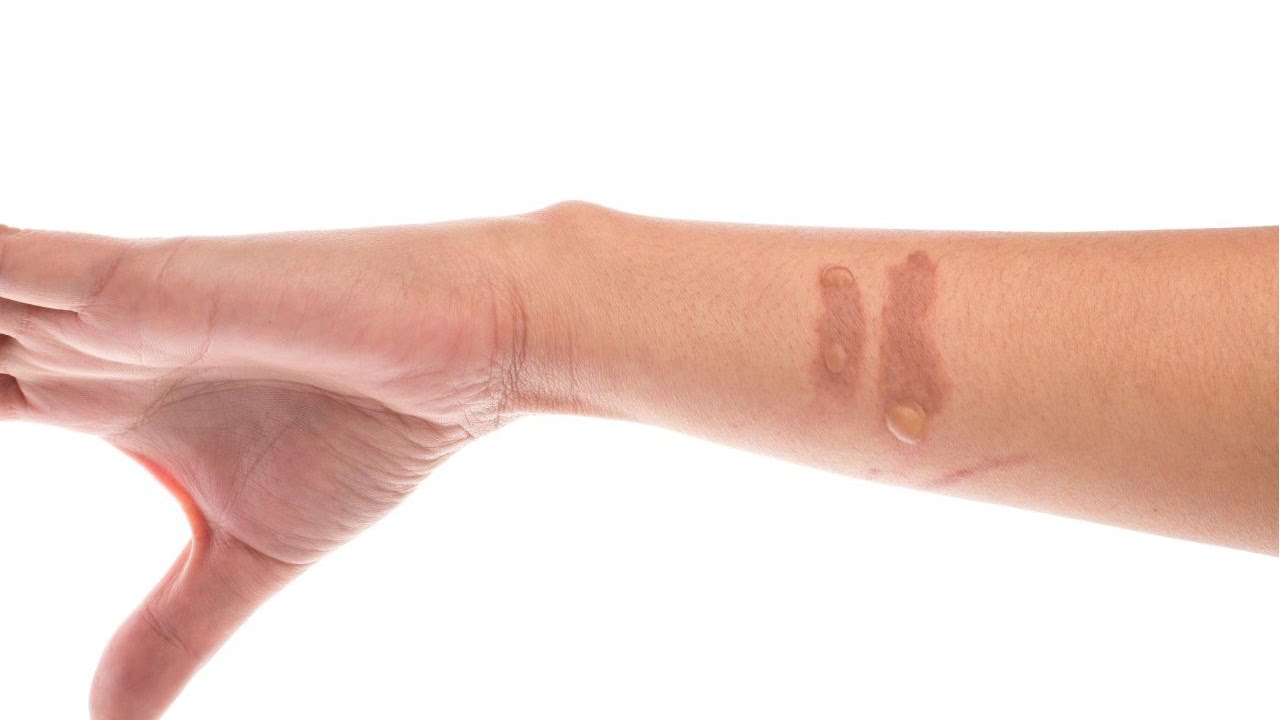
Get used to getting burned. Anyone with any experience with wood stoves knows that burns are inevitable. The stove door may swing closed while you are reloading it, you will occasionally touch the stove when it’s hot. Minor burns like this are more of a nuisance than an emergency trip to the hospital, but they WILL happen. Keep the proper first aid supplies on hand.
If OPSEC is a big concern for you, keep in mind that chimney smoke can be smelled and seen from a long way. There is not much you can do about this.

As with anything in life there are pros and cons to heating with wood. That being said, I firmly believe that this is the only real option for an extended grid down scenario.
