
This week delivered several distinctly Canadian reminders that preparedness gaps aren’t hypothetical — they’re recurring, seasonal, and predictable.
❄️ Hydro-Québec Ice Storm Knocked Out Power Across Multiple Regions
Freezing rain events this week led Hydro-Québec to report widespread outages caused by ice-loaded lines and falling trees, with some customers without power for 48–72 hours. Rural areas were restored last due to access issues and damaged secondary lines.
Why this matters to Canadian preppers:
- Ice storms remain one of Canada’s most grid-damaging weather events
- Tree-line damage disproportionately affects rural homes
- Electric-only heating remains a critical vulnerability
If your heat plan depends entirely on grid power, this was a clear warning.
🚧 Coquihalla Highway Closures Disrupted Western Freight Movement
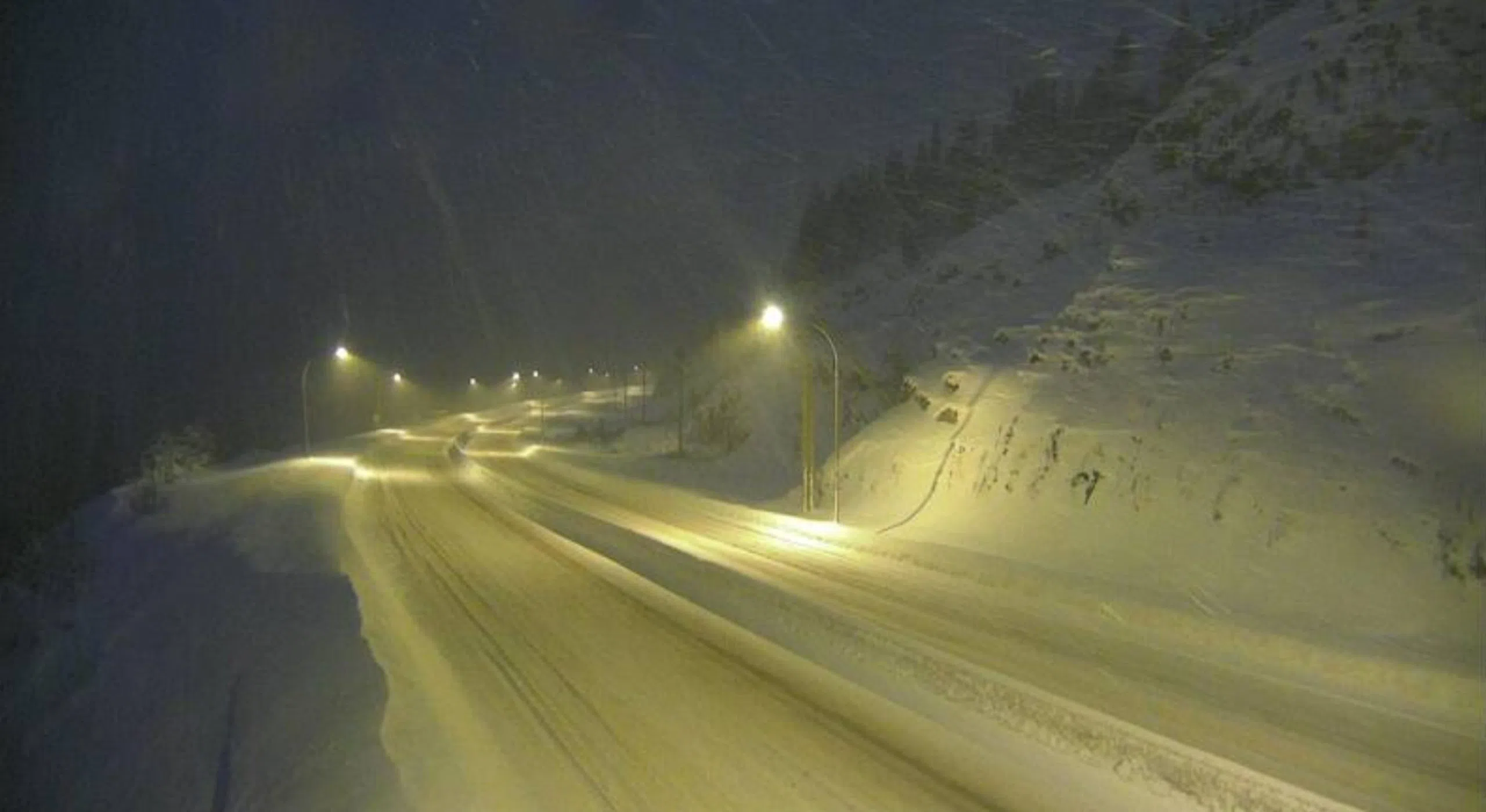
Sections of the Coquihalla Highway (Highway 5) were temporarily closed or restricted due to winter conditions and accidents, once again highlighting how a single corridor supports a massive share of Western Canada’s freight movement.
Why this matters to Canadian preppers:
- Canada’s geography creates choke points, not redundancy
- When the Coquihalla slows, Interior and Northern BC feel it first
- “National supply is fine” does not mean local shelves will be
This is why deep pantry storage matters more outside major cities.
🌬️ Newfoundland Communities Experienced Prolonged Weather-Related Outages
Parts of Newfoundland and Labrador dealt with winter storms that caused power interruptions, difficult travel conditions, and delayed restoration due to weather persistence and limited access.
Why this matters to Canadian preppers:
- Island and coastal regions face compounded risks
- Weather delays response as much as damage itself
- Storm recovery in Atlantic Canada is rarely fast
Extended self-reliance is not optional in these regions — it’s expected.
🏠 Ontario Municipalities Opened Warming Centres During Cold Snap
Several Ontario municipalities activated warming centres as overnight temperatures dropped and localized outages affected vulnerable residents. In some areas, transportation to centres was limited, and capacity was finite.
Why this matters to Canadian preppers:
- Warming centres assume mobility and awareness
- They are short-term solutions, not long-term plans
- Staying home safely is preferable — if you are prepared
Public shelters are a fallback, not resilience.
🛒 Winter Conditions Disrupted Grocery Deliveries in Major Urban Areas
Major grocery delivery services in cities like Toronto and Montreal reported delays and cancellations tied to weather, driver shortages, and road conditions — even while stores themselves remained open.
Why this matters to Canadian preppers:
- Convenience systems fail before physical infrastructure
- Urban residents are often more exposed than rural preppers realize
- A stocked pantry prevents forced travel in unsafe conditions
Access matters as much as availability.
🚑 Emergency Services Shifted to Priority-Only Response During Peak Periods
Police, fire, and EMS services in multiple regions publicly reminded residents that non-urgent calls would face delays during storm peaks, with resources focused on life-threatening incidents.
Why this matters to Canadian preppers:
- Emergency response in Canada is triage-based during widespread events
- Minor injuries and household emergencies become self-managed
- Skills, supplies, and knowledge reduce reliance on strained systems
This is standard operating procedure — not failure.
📌 The Canadian Pattern Is Consistent
This week reinforced a familiar national pattern:
- Winter weather stresses centralized systems
- Geography creates bottlenecks
- Rural and coastal areas recover last
- Public services prioritize survival, not convenience
Preparedness in Canada is about handling winter stress calmly and independently, not reacting to rare catastrophes.
