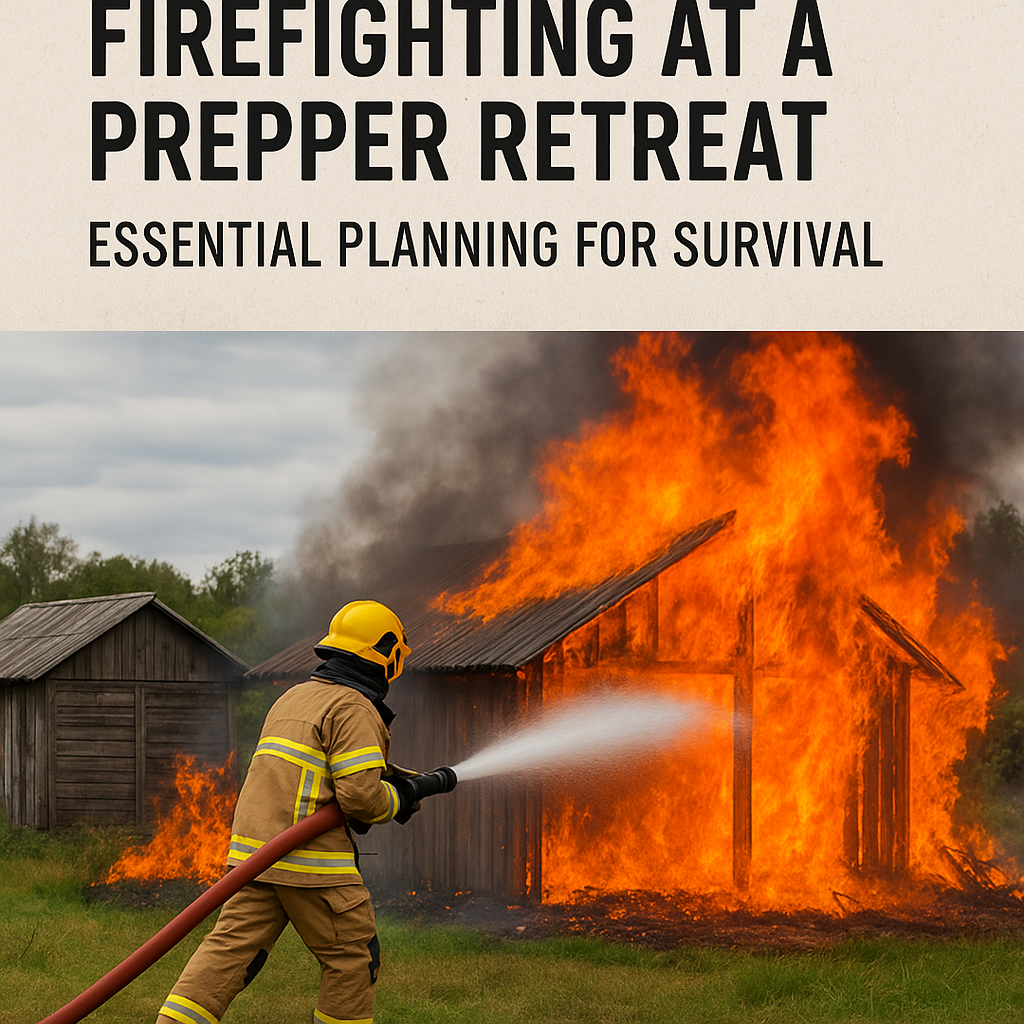
Unlike urban or suburban homes, most retreats are located in remote areas far from professional emergency services. If a fire breaks out, it could take hours before help arrives—if it ever does. That means you are the fire department. Without proper preparation, a single fire can destroy your food stores, fuel, tools, shelter—and worst of all, risk lives.
Step 1: Fire Risk Assessment
Begin by identifying what types of fire you’re most likely to face. Common risks include:
- Wildfires: Especially in dry, forested areas.
- Chimney and wood stove fires: Common in retreats with off-grid heating.
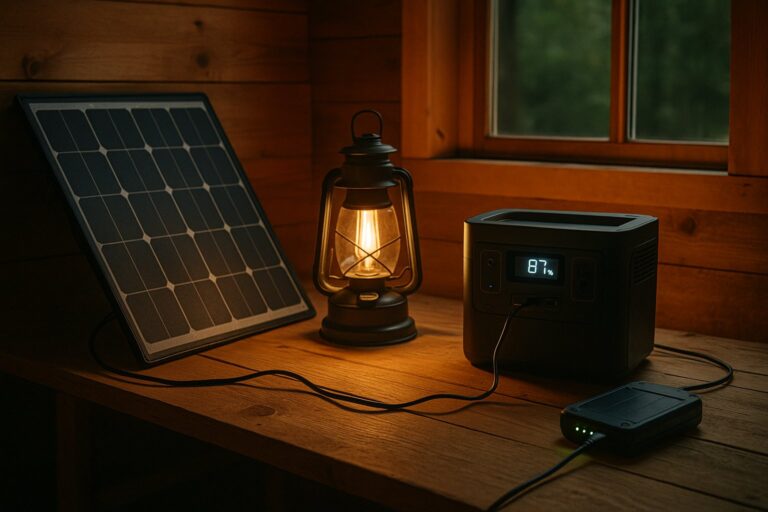
- Electrical fires: From solar batteries, generators, or wiring issues.
- Fuel-related fires: Improper storage of gasoline, diesel, or propane.
- Kitchen fires: Especially with open flames or wood-fired cooking.
Do a full walk-through of your retreat and note every possible ignition source and potential fuel.
Step 2: Build a Fire Defense System
A layered fire defense system is key to controlling fires before they spread. Here’s what to include:
1. Firebreaks
Clear vegetation and brush at least 30–50 feet around all buildings. This reduces the chance of wildfires jumping to your structures.
2. Fire-Resistant Construction
If you’re building or renovating, use non-flammable materials where possible—metal roofs, cement board siding, fire-rated doors. Keep eaves closed off and use ember-resistant vents.
3. Water Supply
If you don’t have pressurized water service, plan your own:
- Rainwater collection systems connected to high-capacity tanks.
- Pond or lake pumps with diesel or gas-powered pumps and hoses.
- IBC totes staged around the property as mobile water reserves.
- Fire hydrants (if possible) connected to a gravity-fed or pump-assisted system.
Have at least 1,000 gallons of accessible water on hand per building.
4. Fire Suppression Tools
Every building should have:
- ABC-rated fire extinguishers (multiple sizes)
- Fire blankets
- Shovels, rakes, Pulaskis for wildfire control
- Buckets and hose lines
- High-pressure water pumps with long-reach hoses (minimum 100 feet)
Train your group on how to use each tool safely and effectively.
Step 3: Firefighting Team and Drills
Your retreat group should have designated fire teams, just like you have for security and medical. Assign roles:
- Spotter: Alerts others to fire
- Pump operator: Manages water source
- Attack crew: Uses hoses/extinguishers to suppress fire
- Evacuation lead: Oversees movement of people and high-value supplies
Conduct regular fire drills. Include both wildfire and structure fire scenarios. Practice nighttime response, where visibility and coordination are most difficult.
Step 4: Fire Prevention Protocols
An ounce of prevention is worth a pound of water. Adopt these daily practices:
- Clean chimneys regularly and inspect flues.
- Store fuel in proper, ventilated sheds away from buildings.
- Avoid burning brush during high-risk seasons.
- Inspect and maintain solar, battery, and generator systems.
- Keep cooking and heating areas clear of flammables.
Develop a “hot work” policy (like in industrial settings) for welding, grinding, or open-flame work—always have a second person on watch and water on standby.
Step 5: Emergency Response Plan
In the worst-case scenario, your retreat might not be defensible. You’ll need:
- Bug-out plans if your retreat is at risk from wildfire.
- Pre-packed fire grab bags with critical documents, first aid, radios, and food.
- Fireproof safes for sensitive items.
- Redundant caches stored away from main buildings.
Final Thoughts
Fire is one of the few threats that can wipe out your entire preparedness plan in under an hour. Don’t let years of effort go up in smoke because you overlooked this critical risk. With the right tools, training, and vigilance, your retreat can be not only fire-resistant—but fire ready.
Prep smart, stay safe, and always plan for the flames.