
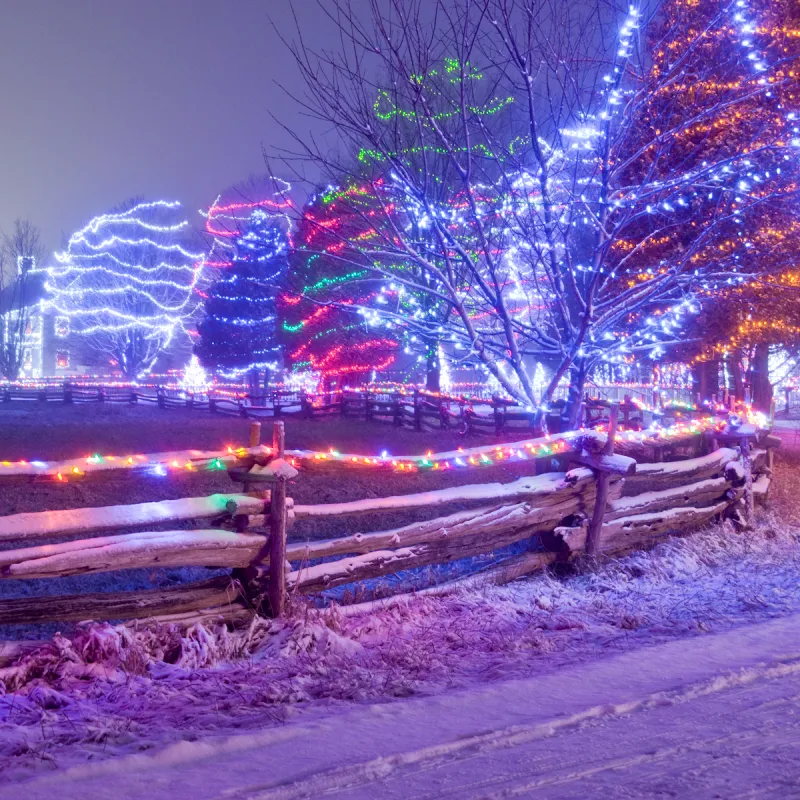
Christmas arrives in Canada at the most challenging time of year. Days are short, temperatures are low, and weather disruptions are common. Power outages, travel delays, and isolation are more likely now than during any other season. Yet Christmas also highlights something preppers sometimes overlook: mental resilience and community are survival assets, not luxuries.
Preparedness during the holidays isn’t about fear or worst-case scenarios. It’s about creating stability, comfort, and continuity when the environment is working against you — for yourself and for the people around you.
Winter Stress Is Real — and Predictable
Cold, darkness, and disrupted routines increase stress even in well-prepared households. At Christmas, those pressures are amplified by expectations, travel plans, and emotional weight. Add a winter storm or power outage, and minor inconveniences quickly feel overwhelming.
Mental preparedness means anticipating this strain and planning around it. Simple routines — shared meals, familiar activities, and reliable lighting — provide psychological anchors when conditions are uncertain. These anchors matter as much as physical supplies.
Having dependable light during outages, for example, changes the tone of an evening entirely. A warm, consistent glow from battery lanterns or LED candles creates a sense of normalcy during storms or blackouts. A set of soft-light LED lanterns (https://amzn.to/3ZLQ8Vt) can quietly support holiday routines without drawing attention to the disruption.
Community Is a Winter Survival Multiplier
Historically, winter survival in Canada was communal. Neighbours checked on each other. Resources were shared. Isolation was dangerous.
That principle still applies. Christmas is one of the few times of year when people naturally reach out. For preppers, this is an opportunity to strengthen quiet, practical relationships — not through lectures, but through presence.
Offering help with snow clearing, sharing baked goods, or simply checking in during a storm builds trust that pays dividends long after the holidays. These relationships become informal early-warning systems and mutual aid networks when conditions worsen.
Preparedness doesn’t need to be discussed to be demonstrated.
Familiar Comfort Is Part of Preparedness
Comfort foods, warm drinks, and familiar smells play an outsized role in mental resilience during winter. They ground people emotionally and signal safety, even when external conditions are unstable.
Maintaining the ability to prepare hot drinks or simple meals during outages reinforces this stability. A reliable manual kettle or insulated thermal drink container (https://amzn.to/3XKp9F2) allows routine to continue even when power is unreliable, reinforcing a sense of control during Christmas disruptions.
Preparedness that ignores morale is incomplete.
Christmas Reveals How Prepared You Actually Are
The holidays act as a stress test. Extra people in the house, increased cooking, colder nights, and reduced services all expose weaknesses in planning.
Pay attention to what feels strained this week. Is lighting adequate without power? Can you prepare meals comfortably if electricity drops? Are people calm or anxious during disruptions? These observations are valuable, because they’re rooted in real conditions, not theoretical scenarios.
A small, quiet journal or preparedness notebook (https://amzn.to/3QJ7E6N) used to capture these observations helps convert holiday experience into practical improvement once winter passes.
Preparedness Is About Carrying Stability Forward
Christmas will pass, but winter will not. The habits, systems, and relationships reinforced now carry forward into January, February, and beyond.
Mental resilience built through routine, community connection, and calm response to disruption is one of the most transferable preparedness skills you can develop. It improves decision-making, reduces panic, and strengthens group cohesion when conditions deteriorate.
Preparedness doesn’t always look like gear. Sometimes it looks like keeping the lights warm, the kettle ready, and the household steady.
The Canadian Preppers Network would like to wish all it’s readers and followers a very safe, merry, and prepared Christmas season.
Acres of Preparedness
Long-term resilience is built by connecting mental preparedness, community planning, and physical systems into a single framework. Acres of Preparedness explores how food, water, energy, shelter, land use, and people work together to create stability across all seasons — especially in the Canadian winter.
