Food shortages tend to be visible. Power outages are obvious. Water and sanitation problems, by contrast, often develop quietly — and winter is when they escalate fastest. Across much of Canada, freezing temperatures, ground movement, and power disruptions place steady pressure on water systems that appear reliable until they suddenly aren’t.
For preppers, water preparedness is not just about having drinking water stored. It’s about keeping water usable, accessible, and sanitary when systems freeze, pressure drops, or treatment stops working as expected.
Winter Is Hard on Every Water System
Municipal water systems are robust, but they are not immune to winter stress. Power interruptions, broken mains, or treatment disruptions can reduce pressure or trigger boil-water advisories with little warning. In rural areas, wells, pumps, and pressure systems are even more vulnerable to freezing and electrical dependency.
The problem is rarely total failure. It’s inconsistency. Water may still flow, but pressure fluctuates. Treatment may still function, but quality becomes uncertain. That uncertainty is where preparedness matters.
Having a modest reserve of potable water indoors removes urgency and allows time to assess conditions calmly instead of reacting under pressure.
Stored Water Only Helps If It’s Managed Properly
Many people technically store water, but winter reveals weaknesses in how it’s stored. Containers freeze, crack, or become inaccessible. Outdoor storage becomes unusable. Basements flood or drop below freezing unexpectedly.
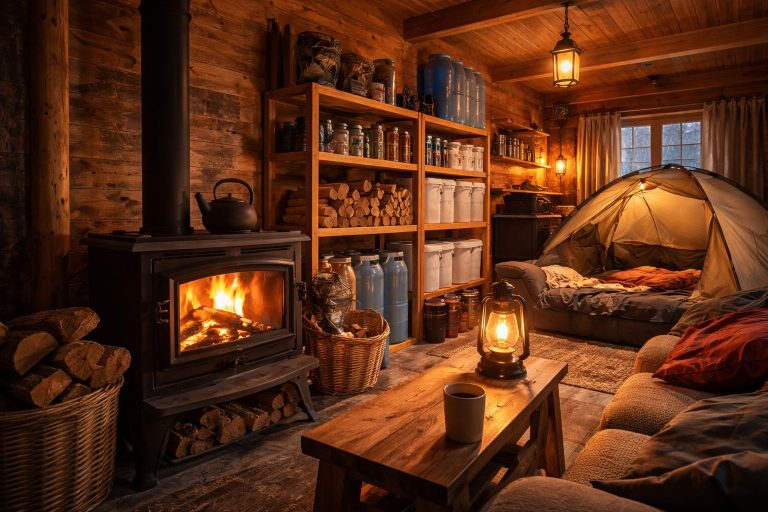
Winter water storage works best inside the thermal envelope of the home, in containers designed for long-term use. Stackable water containers rated for potable storage (https://amzn.to/3ZQ2M4E) allow rotation without contamination and reduce the risk of failure compared to improvised solutions.
Rotation matters as much as storage. Water should be familiar, regularly refreshed, and easy to access in low light or during outages.
Treatment Is a Sanitation Skill, Not a Gadget
If water quality becomes uncertain, treatment becomes the priority. Boiling is reliable, but it assumes fuel, time, and ventilation — all of which are more complicated during winter outages.
This is why non-electric treatment methods remain valuable. A gravity-fed water filter designed for long-term use (https://amzn.to/3XG8B7Q) allows safe drinking water production without power, pressure, or constant supervision. These systems are especially useful when dealing with meltwater, stored rainwater, or questionable municipal supply during infrastructure strain.
Water treatment is not something to improvise under stress. It works best when methods are familiar and already integrated into routine use.
Sanitation Is the Other Half of the Problem
Clean water without sanitation still leads to illness. Winter complicates sanitation because plumbing failures are harder to fix, frozen drains back up, and access to facilities may be limited during outages.
Sanitation preparedness means having backup waste management options, cleaning supplies that don’t rely on hot water, and clear household routines during disruptions. Even short-term solutions reduce contamination risk and stress.
A dedicated emergency toilet setup with proper liners and absorbent materials (https://amzn.to/3QW9C1H) prevents unsafe improvisation during outages or plumbing failures, especially in cold conditions when repairs may be delayed.
Water Issues Cascade Quickly
Water failures don’t stay isolated. They affect food preparation, hygiene, medical care, and morale. Dehydration, poor sanitation, and contaminated water all increase health risks — particularly in winter when immune systems are already stressed.
This is why water and sanitation planning should assume multiple short disruptions, not just rare long-term failures. Systems that handle brief interruptions smoothly prevent escalation into larger problems.
Actionable Steps for This Week
Before the next freeze or storm:
- Verify indoor water storage is protected from freezing
- Rotate and taste stored water
- Practice one non-electric water treatment method
- Review sanitation backup plans for outages
Water systems that work quietly in winter are the ones you can trust.
Acres of Preparedness
Long-term water security goes beyond storage and filters. Acres of Preparedness integrates water sourcing, sanitation, land use, food systems, energy, and community planning into a cohesive framework designed for Canadian climates and extended disruptions.