As we move deeper into winter, the preparedness landscape continues to shift. This past week offered several developments—some close to home, others global—that reinforce why calm, methodical preparedness remains essential. Below is a focused roundup of events and trends that matter to Canadian preppers, with practical takeaways you can act on immediately.
Canadian Winter Weather & Infrastructure Stress
Environment Canada issued multiple warnings this week across parts of Ontario, Quebec, and the Atlantic provinces as back-to-back systems brought heavy snow, freezing rain, and high winds. In several rural areas, localized outages lasted more than 24 hours—long enough to remind households that short-term grid disruptions are still the most likely emergency scenario most Canadians will face.
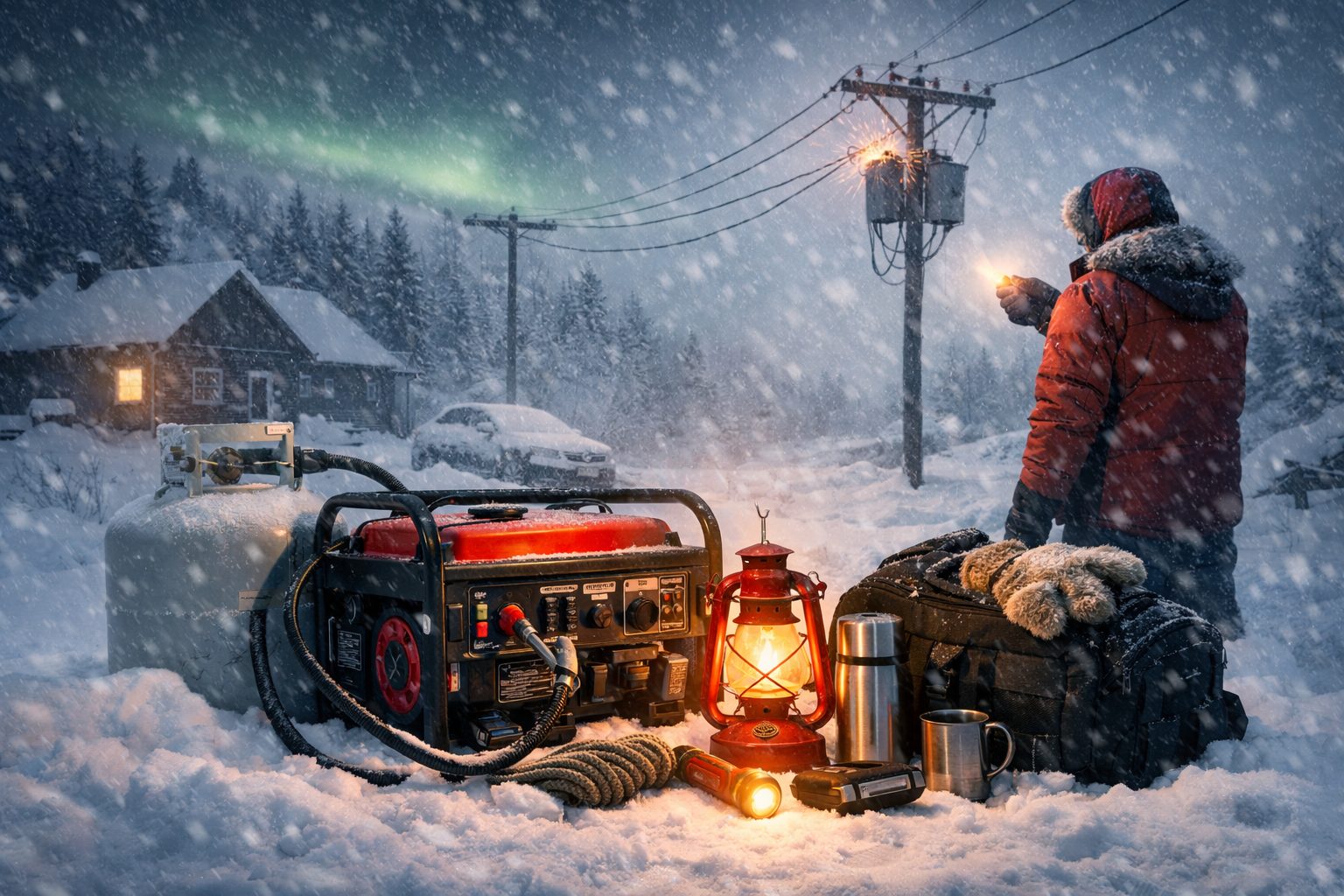
For preppers, the lesson is not dramatic—it’s repetitive. Heating redundancy, charged battery banks, and the ability to cook without grid power remain foundational. Even a modest dual-fuel inverter generator, paired with safe extension routing and carbon monoxide awareness, dramatically reduces stress during these events. Many households continue to rely on extension cords and improvised setups; upgrading to a purpose-built transfer solution is one of the most overlooked winter preps.
A reliable option many Canadian readers choose is a dual-fuel portable generator that can run on propane during cold snaps when gasoline becomes harder to store safely. You can see a commonly used model here on Amazon.ca:
👉 https://amzn.to/4iLrm9Y
Food Supply & Pricing Signals
Grocery pricing remains uneven nationwide. While no formal shortages have been announced, continued transportation disruptions—especially at eastern ports and rail corridors—have resulted in spot shortages of specific items. These are not “empty shelf” moments, but they do reinforce the fragility of just-in-time food systems.
From a preparedness standpoint, this strengthens the case for diversified food storage rather than brand-specific hoarding. Staples such as rice, flour, oats, and shelf-stable proteins remain the most resilient options. Home preservation methods—pressure canning, dehydrating, and root cellaring—continue to outperform commercial alternatives when prices fluctuate.
Readers interested in scaling beyond basic pantry storage should strongly consider long-term land-based food resilience. The book Acres of Preparedness lays out exactly how to turn modest acreage into sustained food security and is a recommended reference within our community:
👉 https://amzn.to/4iLrm9Y
Cybersecurity & Communications Resilience
Several North American municipalities reported service disruptions this week tied to ransomware and network intrusions. While details remain limited, these incidents again demonstrate how quickly digital failures cascade into real-world problems—payment systems down, fuel access delayed, and public information interrupted.
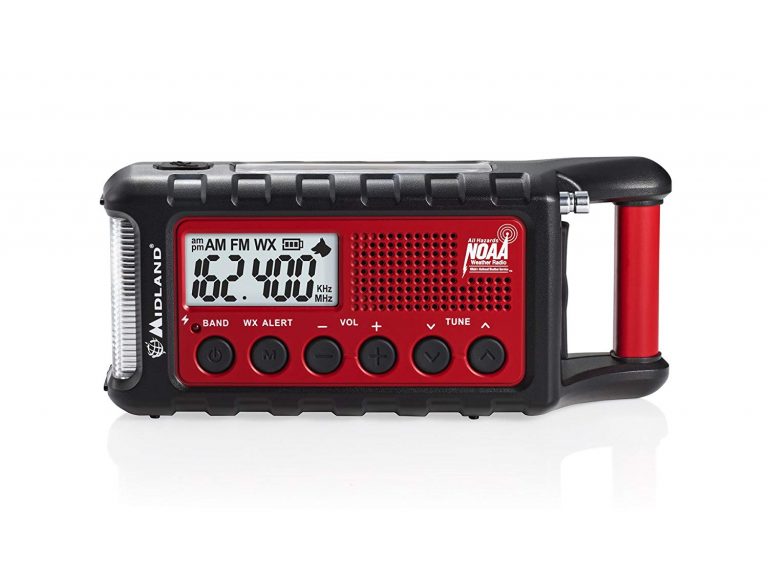
For preppers, this reinforces the importance of offline capability. Printed contact lists, paper maps, and independent communications like amateur radio are not “old tech”—they are fallback systems. Even basic VHF/UHF radios programmed for local repeaters can maintain situational awareness when cellular data becomes unreliable.
If you’re newer to communications preparedness, review your existing equipment and ensure at least one non-internet-dependent method of receiving information is functional and tested.
Global Tensions & Economic Pressure Points
Internationally, continued instability in Eastern Europe and the Middle East is contributing to insurance cost increases for shipping and energy transport. While Canada remains insulated from immediate effects, these pressures often surface later as price increases, delayed imports, or fuel volatility.
History shows that Canadians typically feel these effects months after the initial trigger. This is precisely why slow, steady preparedness—rotating supplies, maintaining vehicles, and avoiding last-minute panic buying—consistently outperforms reactive behaviour.
Practical Takeaways This Week
Rather than overloading yourself with new projects, focus on tightening one weak point:
- Test backup heat and power systems during a cold evening
- Rotate at least one food category (grains, canned proteins, or oils)
- Print critical documents and store them in a waterproof folder
- Review winter vehicle kits and confirm batteries are charged
Preparedness is not about reacting to headlines—it’s about calmly reducing exposure to known risks.