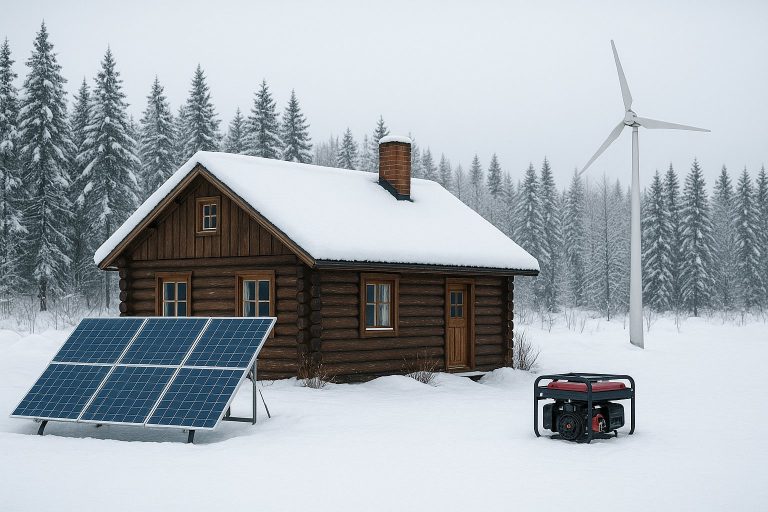
For most preppers, backup electricity means one thing: a gasoline generator sitting in the garage. It’s a useful tool, but it comes with a serious limitation — fuel eventually runs out.
Gasoline degrades. Diesel must be rotated. Propane tanks eventually empty. In a prolonged emergency where supply chains break down, even carefully stored fuel supplies will eventually be exhausted.
That reality has led many preparedness-minded people to rediscover an older technology that once powered entire countries during wartime: woodgas.
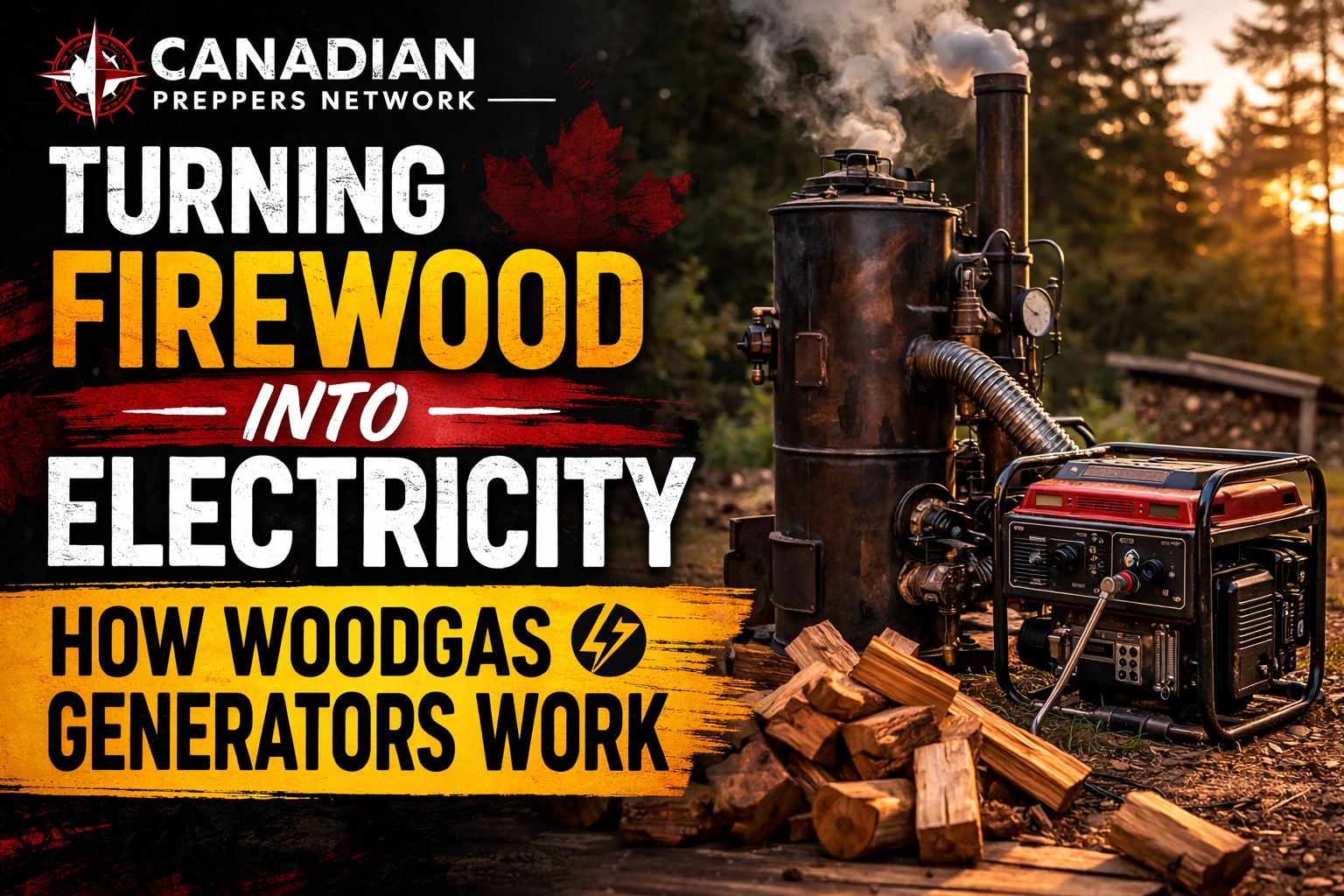
Woodgas generators allow you to run internal combustion engines using ordinary firewood as fuel. Instead of relying on refined petroleum products, you can produce engine fuel from wood harvested locally. For long-term preparedness, this makes woodgas one of the few energy systems capable of operating indefinitely without outside fuel supplies.
A Technology That Once Powered Millions
Woodgas is not experimental or theoretical. During World War II, gasoline shortages forced countries across Europe to convert vehicles to run on wood-derived gas.
At the height of wartime shortages, more than one million vehicles were operating on woodgas. Cars, trucks, tractors, and buses used large gasifier units mounted to the rear of the vehicle to generate engine fuel from wood.
Once petroleum supplies returned after the war, woodgas largely disappeared. Gasoline was easier and more convenient.
But for preppers concerned with long-term energy resilience, the technology remains incredibly valuable.
How Woodgas Actually Works
Woodgas systems operate through a process called gasification.
Instead of burning wood in open air, a gasifier heats wood in a low-oxygen environment. This causes the wood to break down chemically rather than simply burn.
The process produces a mixture of combustible gases, primarily:
• Carbon monoxide
• Hydrogen
• Methane
Together these gases form what is known as producer gas, or woodgas.
Before the gas reaches an engine it must be cooled and filtered to remove ash, tar, and particulates. Once cleaned, the gas can be fed into a normal internal combustion engine.
The engine burns the gas just like gasoline vapor, turning the generator and producing electricity.
The Main Parts of a Woodgas Generator System
A working woodgas power system typically includes four major components.
The Gasifier
This is the reactor where wood is converted into gas. The design carefully controls airflow and heat to maintain the gasification reaction.
Cooling System
Fresh woodgas exits the reactor extremely hot. It must be cooled before entering the engine.
Many systems use simple metal piping or radiator-style coolers.
Filtration System
Woodgas contains ash, tar, and dust that must be removed before entering the engine. Filters often use layered materials such as wood chips, cloth, or specialized filtration media.
Engine and Generator
Once filtered, the gas feeds into a standard gasoline engine that powers an electrical generator.
Many common portable generators can be adapted for woodgas operation. Typical models used for preparedness can be seen here:
https://www.amazon.ca/s?k=7000+watt+generator&tag=canadianprep-20
Generators in the 5,000–7,000 watt range provide enough electricity for critical household systems during an emergency.
How Much Electricity Can Woodgas Produce?
Woodgas contains less energy than gasoline, which means engines running on woodgas produce somewhat reduced power output.
Most systems operate at roughly 50–70% of their normal gasoline output.
Fortunately, most households require far less electricity than people assume. During emergencies, power is usually reserved for essential loads such as:
• Freezers and refrigerators
• Well pumps
• Communications equipment
• Lighting
• Medical equipment
A mid-sized generator operating on woodgas can easily maintain these critical systems during grid outages.
Reliable electricity also keeps communication systems operating. In our earlier article on emergency radio networks we discussed why maintaining communications is critical during disasters:
The Fuel: Simple Firewood
One of the most powerful advantages of woodgas is that the fuel source is widely available across Canada.
Gasifiers can operate using:
• Hardwood chunks
• Split firewood
• Wood pellets
• Charcoal
For best performance, many operators prefer wood pieces roughly golf-ball sized. This allows consistent airflow inside the gasifier.
Producing uniform chunks of wood is much easier with proper tools. A simple kindling splitter makes the job far safer and faster than using an axe alone:
https://www.amazon.ca/s?k=kindling+splitter&tag=canadianprep-20
In forested regions, this effectively turns local woodland into a renewable fuel source for electricity.
The Realities and Limitations
Woodgas systems are powerful, but they are not effortless.
Operating a woodgas generator requires:
• Starting and warming the gasifier
• Maintaining the wood fuel supply
• Cleaning filters regularly
• Managing ash buildup
Startup typically takes 10–20 minutes before the gas becomes clean enough to run the engine.
There is also a learning curve. Gasifiers must operate at the correct temperature to avoid producing excess tar that could damage engines.
However, these challenges are manageable for anyone willing to learn the system. Modern designs and online communities have made gasifiers far easier to build and operate than in the past.
Why Woodgas Matters for Long-Term Preparedness
Most backup power systems rely on fuels that cannot be produced at home.
Gasoline, diesel, and propane all depend on complex industrial supply chains. When those supply chains fail, generators become useless.
Woodgas changes that equation.
As long as you have access to wood and basic tools, electricity can continue to be produced.
This makes woodgas an ideal component of a layered preparedness energy system that may also include:
• Solar panels
• Battery storage
• Conventional fuel generators
• Manual backup power
Our CD3WD spotlight on manual water access systems explores another critical layer of self-reliance when modern infrastructure fails:
Preparedness is rarely about a single solution. It’s about building redundant systems so that when one fails, another takes over.
Woodgas is one of those systems.
Final Thoughts
Woodgas generators require more effort than simply filling a gasoline tank. They demand knowledge, experimentation, and a willingness to operate equipment manually.
But they offer something incredibly valuable: true fuel independence.
If you can harvest wood, you can produce electricity.
In a long-term crisis where modern fuels become unavailable, that simple capability could mean the difference between darkness and power.