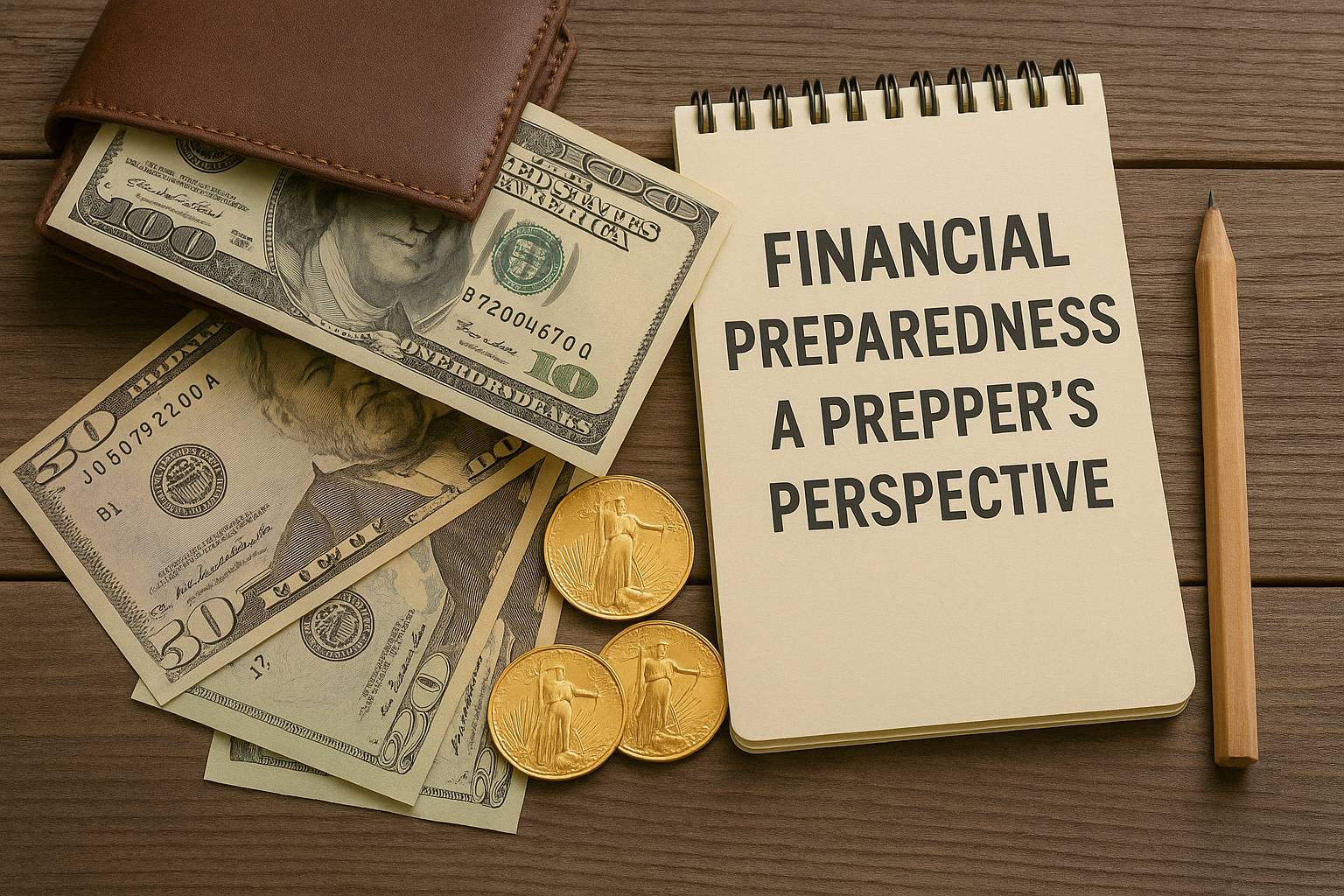
When people think about preparedness, they often imagine food storage, water filtration, bug-out bags, or solar panels. Yet one of the most overlooked aspects of prepping is financial readiness. Disasters aren’t always hurricanes, wildfires, or grid failures—sometimes the emergency comes in the form of a lost job, rising inflation, or a sudden medical expense. From a prepper’s perspective, financial preparedness is every bit as critical as having a stocked pantry.
Why Financial Preparedness Matters
- Everyday emergencies are common. Statistically, you’re more likely to face a financial disruption than a natural disaster.
- Money buys options. Even in a long-term crisis, cash, barter goods, and tangible assets can provide flexibility when resources are scarce.
- Preparedness isn’t just physical—it’s holistic. True resilience means being ready for life’s economic storms as much as physical ones.
The Core Principles of Financial Preparedness
1. Build an Emergency Fund
- Aim for at least 3 to 6 months of living expenses in cash savings.
- Keep some of this money in a liquid account (bank savings), and consider holding a portion as cash at home in small bills for when banks or ATMs are down.
2. Reduce and Eliminate Debt
- High-interest debt is a prepper’s enemy—it drains resources and ties you to the system.
- Focus first on eliminating credit card debt, then work on car loans and other consumer debt.
- Being debt-free increases your freedom to pivot in uncertain times.
3. Diversify Assets
- Don’t rely solely on one form of wealth. A balanced prepper portfolio could include:
- Cash savings for liquidity
- Precious metals (silver and gold) as long-term stores of value
- Tangible goods like fuel, tools, and non-perishable food, which can double as barter items
- Land or property that provides security and self-sufficiency
4. Learn Skills That Save and Earn
- Practical skills can often replace money in a collapse scenario.
- Skills such as gardening, mechanical repair, medical training, and communications (ham radio) can reduce expenses while increasing barter value.
5. Prepare for Inflation and Supply Chain Shocks
- Stockpile long-lasting essentials now, before prices rise further.
- Consider bulk purchases of items that are both useful and trade-worthy.
- Maintain a “second pantry” of fuel, hardware, and hygiene supplies.
Financial Preparedness Beyond Money
- Barter Economy: In a long-term grid-down or hyperinflation scenario, goods like lighters, ammunition, medical supplies, and seeds may be more valuable than currency.
- Community Networks: Pooling financial and physical resources with trusted neighbors or prepper groups creates stronger resilience.
- Insurance as Protection: Health, home, and even firearm insurance (where available) provide financial shields that many preppers overlook.
Action Steps for Preppers Today
- Audit your finances: calculate income, expenses, and debts.
- Build a budget that prioritizes savings and preparedness supplies.
- Create a layered reserve: cash savings, barter goods, and hard assets.
- Strengthen your skillset to reduce dependence on outside systems.
- Revisit and adjust your financial plan regularly—preparedness is never static.
Final Thoughts
Financial preparedness doesn’t just protect you from economic collapse. It shields you from everyday emergencies like car repairs, medical bills, or sudden unemployment. A well-prepared household is one that can weather both the storm of a natural disaster and the silent storm of financial hardship.
From a prepper’s perspective, money is just another tool. Use it wisely, invest in resilience, and ensure that when disaster strikes—whatever form it takes—you’ll be standing strong.