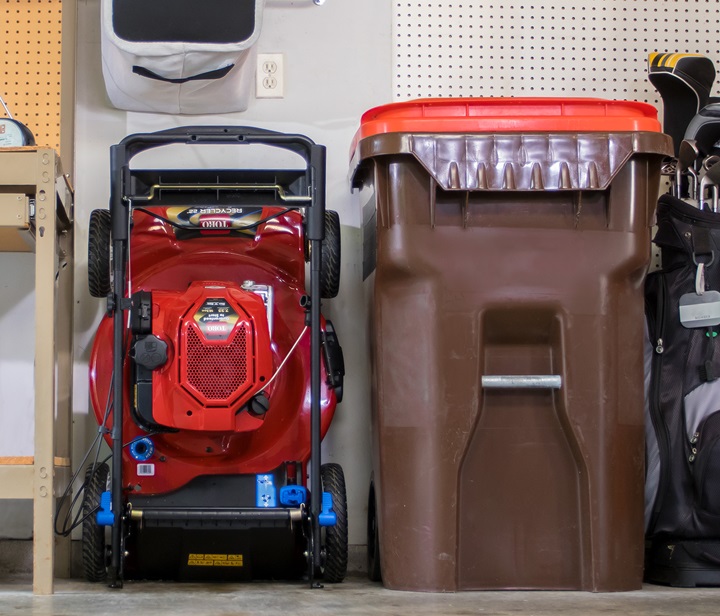
As the chill of late autumn creeps in and your summer projects wrap up, it’s the perfect time to give your gas-powered outdoor equipment some serious care before winter’s rest. A little preparation now goes a long way toward ensuring your machines fire up easily come spring, while also extending their lifespan and avoiding costly repair bills. Below is a handy guide to properly winterizing your gas-powered equipment—think lawn mowers, generators, leaf blowers, pressure washers, and more.
Why winterization matters
When you let a gas engine sit unused for months without preparation, several things can go wrong:
- Gasoline can degrade and oxidize, forming gums and varnish that clog carburetors or fuel lines. OPEI+2Ty’s Outdoor Power+2
- Moisture can accumulate in fuel or from the environment, causing corrosion inside the engine or tank. Ty’s Outdoor Power+1
- Debris, grass clippings, oil residue or even dampness can lead to rust or mechanical issues over the storage period. Ty’s Outdoor Power
- When spring returns, a poorly stored machine may fail to start, require major cleaning, or incur part replacements—easy to avoid with prep. OPEI+1
Basically: treat your equipment now, so it’s ready when you need it again.
The winterization checklist
Here’s a detailed, step-by-step guide to preparing your equipment:
1. Clean the equipment thoroughly
- Remove all dirt, grass clippings, mud, and debris. Pay attention especially to equipment that cut grass or worked in soil. Ty’s Outdoor Power+1
- For lawn mowers: tilt or lift so you can clean under the deck, scrape off built-up clippings, and rinse if safe (check your manual) then dry completely. This Old House
- Remove any moisture; lingering damp parts can rust.
- Inspect for damaged parts: cracked housings, worn belts, dull blades, worn wheels or tires. If anything is obviously weakened, now is the time to repair or replace. Ty’s Outdoor Power
2. Address the fuel system
Since gasoline degrades over time, this step is critical. Options generally are: stabilize the fuel or empty the fuel tank and carburetor.
- Adding a fuel stabilizer: Pour into the tank following product instructions, then run the engine briefly so the stabilized fuel circulates through the system. This helps prevent gum formation. OPEI+1
- Alternatively (or additionally), you may drain the fuel tank and run the engine until it burns off remaining fuel in the carburetor. This is the safest for long storage. This Old House+1
- If you store fuel, use approved containers and store away from ignition sources. This Old House
- Consider changing the fuel filter if applicable. A clogged filter sitting through winter can cause startup issues. Ty’s Outdoor Power
3. Change oil and/or lubricate moving parts
- If your machine uses engine oil (for example 4-cycle engines), consider changing the oil before storage so that contaminants aren’t left sitting inside the engine. This Old House
- Lubricate any moving parts: hinges, linkages, cables, wheel axles. Use light machine oil or spray lubricant to prevent rust and keep things moving smoothly. Ty’s Outdoor Power
4. Inspect and replace wear items
- Check the spark plug: inspect for carbon buildup or signs of wear. Replace it if necessary—easy to do now rather than later. This Old House
- Check the air filter: If paper type, probably best replaced. If foam or oil-soaked type, wash (if applicable), dry, re-oil, or replace. A clean air filter ensures good startup. This Old House
- Check blades (for mowers and similar equipment): sharpen or replace if dull or damaged. A clean cut in spring is better for the lawn and the machine. This Old House
- Tires and wheels: If applicable, check for flat spots or pressure issues; inflate or rotate if necessary.
5. Storage location and arrangement
- Store the equipment indoors if possible: a garage or shed is ideal. If you must leave it outside or in an unheated space, at least cover it with a heavy waterproof tarp or cover and elevate it off the ground if you can. Ty’s Outdoor Power
- Remove the battery (if applicable) and store it separately in a cool dry place, particularly if the equipment has a battery. Cold and fluctuating temps can degrade batteries. Ty’s Outdoor Power
- Ensure the area is dry, free of moisture or condensation, and avoid storing near chemicals or fuel vapours.
- Optionally: mark a reminder in early spring to bring it out, inspect again, check fuel & oil before use.
Special considerations for your situation (Quebec, Canada)
Since you’re located in Saint-Michel-des-Saints, Quebec, your climate adds some extra urgency: freezing temperatures, snow, and moisture are likely, so the following apply:
- Dead-battery protection: If equipment has a battery, definitely remove it for winter. A drained battery in freezing temps may be ruined.
- Condensation inside the tank or engine: Because of cold, moisture from temperature shifts may form inside tanks or cylinders—draining the fuel or using a stabilizer becomes even more important.
- Cover exposed metal: Given snow and humidity, ensure cut-surfaces, blades, and deck undersides are dry and possibly coated with light oil or rust-inhibitor if you expect long storage.
- Fuel quality during spring startup: Old gas with ethanol in it can absorb moisture; since your region sees shifts in humidity and cold, use fresh fuel in spring or rotate fuel if it’s been long stored.
Spring-time reminders when you bring it out again
When you re-activate the equipment in spring, keep these in mind:
- Check the fuel: if you stabilized the fuel, it’s okay; if you drained it, refill with fresh fuel.
- Inspect for any rodents/spiders/excess debris that may have taken up residence over winter.
- Re-check spark plug, air filter, oil, belts, blades.
- Test start the engine in a safe, ventilated location. Let it run briefly and listen for unusual noise, smoke, or hesitation.
- Once you’re satisfied it’s running well, you’re good to go.
Final thoughts
Preparing your gas-powered equipment for winter isn’t rocket science—but it does require some care and a bit of time. Set aside an hour or two this fall, follow the checklist above, and you’ll give yourself a smoother, less stressful spring when you pull everything back out. Your machines will thank you, and you’ll avoid the frustration of not being ready when you need them.