Modern food systems are efficient but fragile. Most Canadian grocery stores operate on just-in-time delivery, often carrying only a few days’ worth of inventory. Trucks must arrive on schedule, warehouses must stay powered, and roads must remain open.
Weather interrupts all of that.
Flooding can shut down highways and rail lines. Heavy snow can delay or cancel deliveries for days. Drought affects crop yields months before consumers notice the impact. Even when food exists somewhere else, getting it to your community becomes the weak link.
For preppers, the takeaway is simple:
Food storage buys time. Time buys options.
Short-Term vs Long-Term Weather-Driven Food Disruptions
Not all food shortages look the same. Understanding the difference helps you prepare more intelligently.
Short-Term Disruptions (3–14 Days)
These are the most common and often weather-triggered:
- Winter storms closing roads
- Flooding cutting off regional transport
- Power outages disrupting refrigeration and payment systems
- Severe weather keeping people home and causing panic buying
Best prepper response:
- Shelf-stable pantry foods
- Ready-to-eat meals
- Backup cooking methods
- Enough water to prepare dry foods
Most households experience these disruptions eventually—even if they don’t think of them as “emergencies.”
Long-Term Disruptions (Weeks to Months)
These usually result from repeated or seasonal weather stress:
- Prolonged drought reducing harvests
- Flood damage to farmland
- Late planting or early frost shortening growing seasons
- Infrastructure repairs delaying transport
Best prepper response:
- Deep pantry rotation
- Home food production
- Food preservation skills
- Multiple calorie sources, not just one staple
Long-term disruptions don’t feel dramatic at first—they show up as higher prices, limited selection, and unreliable availability.
Building a Weather-Resilient Pantry
A resilient pantry is not about novelty survival food. It’s about reliable, familiar foods that store well through Canadian conditions.
Core Pantry Categories
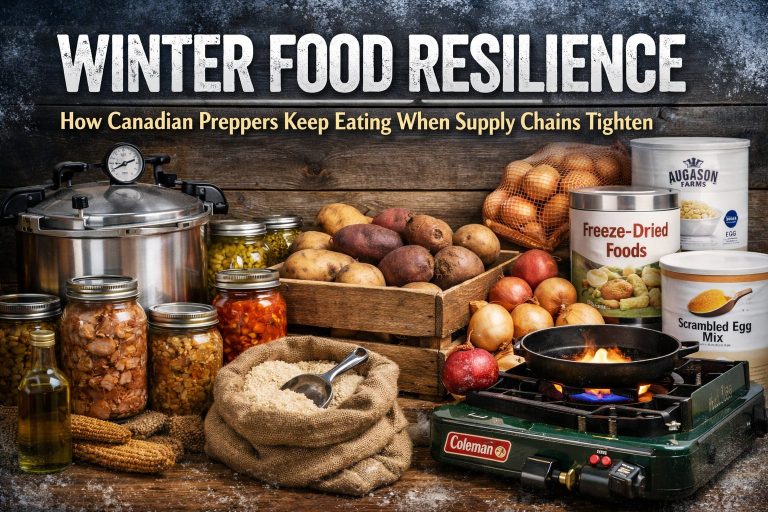
- Grains: rice, oats, pasta, flour, cornmeal
- Proteins: dried beans, lentils, canned meat, fish
- Fats: cooking oil, shortening, ghee (often overlooked but critical)
- Vegetables & fruit: canned, dehydrated, freeze-dried
- Comfort items: coffee, tea, spices, baking ingredients
Weather disruptions are stressful. Familiar meals maintain morale and normalcy—an underestimated survival factor.
Cold Weather Storage Challenges in Canada
Canadian preppers face storage challenges many guides ignore.
Common Winter Risks
- Freezing temperatures can burst cans and ruin jars
- Condensation in basements damages packaging
- Rodents seek warmth and food simultaneously
Practical Solutions
- Store food above freezing whenever possible
- Use sealed bins for dry goods
- Elevate food off concrete floors
- Inspect stores before winter and again mid-season
Food that survives heat but fails in cold is not truly long-term storage.
Cooking When Weather Takes the Power Down
Food storage without cooking capability is incomplete preparedness.
Weather-related outages often coincide with the time you need hot food the most—during cold, wet, or exhausting conditions.
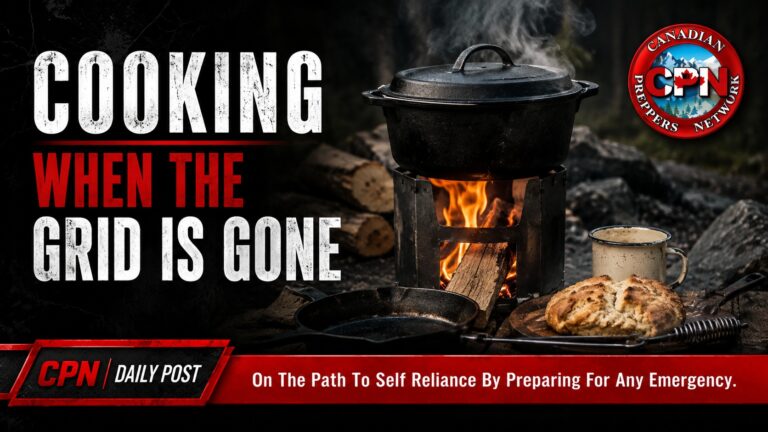
Reliable Off-Grid Cooking Options
- Propane camp stoves (with ventilation awareness)
- Wood stoves (dual-use heating and cooking)
- Rocket stoves (outdoor use)
- Alcohol stoves for water boiling
Every prepper should be able to prepare at least one hot meal per day without grid power.
Home Food Production as Weather Insurance
Weather impacts industrial agriculture first—but local and household food production provides resilience.
Low-Barrier Options
- Raised-bed gardening
- Container gardening
- Indoor sprouting and microgreens
- Berry bushes and perennial plants
Even small harvests reduce pressure on stored food during shortages.
Food Preservation: Turning Surplus Into Security
When weather allows abundance, preservation captures that value.
Core Preservation Methods
- Water-bath and pressure canning
- Dehydration
- Freezing (with backup power planning)
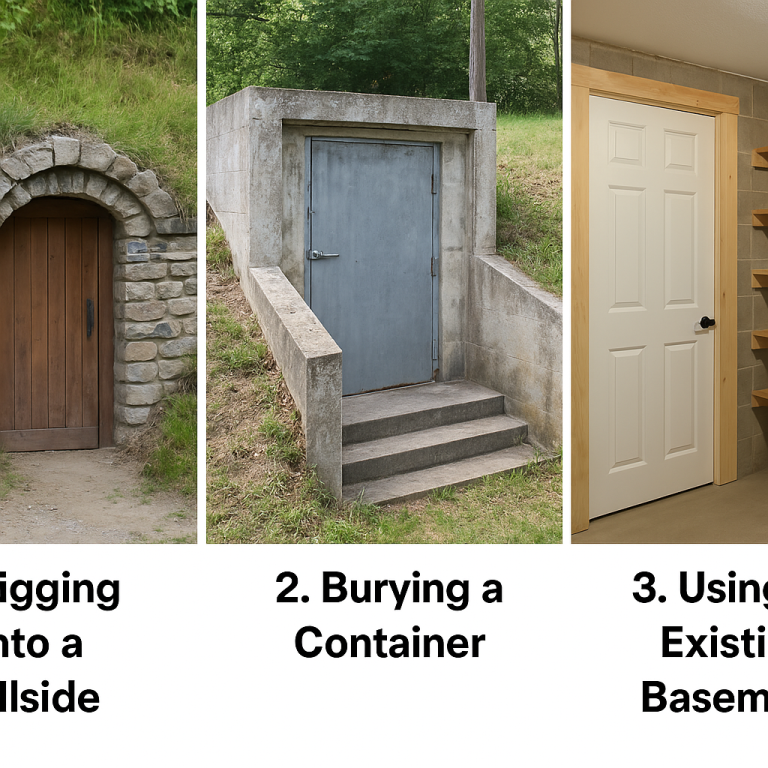
- Root cellaring
- Smoking and salting meat
A prepper who can preserve food is far less dependent on stable supply chains.
Planning for Transportation Disruptions
Weather doesn’t have to destroy food to disrupt access—it only has to stop trucks.
Smart Prepper Habits
- Keep at least 30 days of food on hand
- Replenish before storm seasons
- Track consumption rates
- Avoid relying on single suppliers
Preparedness is about reducing dependence, not eliminating it entirely.
Simple Food Preparedness Drills
Skills fade without practice.
Try:
- A 72-hour pantry-only challenge
- Cooking meals using only backup heat
- Inventory rotation every quarter
- Seasonal menu planning using stored food
Confidence comes from familiarity, not theory.
Final Thoughts
Weather-driven food disruptions are not hypothetical in Canada—they are routine. Floods, droughts, snowstorms, and cold snaps repeatedly remind us how thin the margin really is between “fully stocked” and “nothing available.”
Food preparedness is not fear-based. It’s practical insurance against conditions you already know will happen.
Build your pantry. Learn preservation. Practice cooking off-grid.
That’s how food security becomes real.
📘 Acres of Preparedness — Your Off-Grid Survival Blueprint 📘
If you’re dedicated to self-reliance and long-term readiness, Acres of Preparedness is the no-nonsense guide you need. It walks you through how to transform land into a resilient retreat — from food production and shelter to security and sustainability. Whether you’re planning for a short-term crisis or permanent off-grid living, this book lays the groundwork for real-world survival.
👉 Grab your copy here: https://amzn.to/4iLrm9Y