In Canada, shelter and heat are not comfort issues — they are survival priorities. Every winter brings a familiar mix of heavy snow, freezing rain, high winds, and extended cold snaps. When storms linger or stack back-to-back, they strain power grids, delay fuel deliveries, and expose weaknesses in homes that seem perfectly adequate during mild weather.
For preppers, the goal is not just to stay warm for a night or two. It is to keep a shelter livable for days or weeks, even if outside support is delayed.
This article looks at practical shelter and heat preparedness, grounded in real winter conditions Canadians face every year, and outlines realistic steps to harden your home against prolonged cold.
Why Winter Weather Turns Small Problems Into Big Ones
Cold by itself is manageable. Cold combined with wind, moisture, and power loss is where situations deteriorate quickly.
Winter storms routinely cause:
- Power outages from ice and heavy snow
- Blocked roads delaying fuel and repair crews
- Frozen plumbing and water loss
- Condensation and moisture damage indoors
- Rapid indoor heat loss in poorly sealed homes
Shelter failures rarely happen all at once. They usually cascade — a draft leads to more heating demand, which drains fuel faster, which forces colder living spaces, which increases condensation and health risks.
Preparedness is about interrupting that cascade early.
The Shelter Mindset: Heat Retention First, Heat Production Second
Most people think about heating in terms of what generates heat. Preppers should think first about what prevents heat loss.
Every unit of heat you keep inside is fuel you don’t have to burn later.
The Three Enemies of Winter Shelter
- Air movement (drafts)
- Moisture
- Uninsulated surfaces
If you address these, almost any heating source becomes more effective.
Hardening Your Home Against Heat Loss
Seal Air Leaks Before Winter Peaks
Cold air infiltration is the single biggest heat thief.
Focus on:
- Door frames and thresholds
- Window edges and basement windows
- Electrical outlets on exterior walls
- Attic access hatches
- Dryer vents and utility penetrations
Temporary fixes like weather stripping, foam sealant, draft snakes, and even heavy curtains can dramatically improve indoor temperatures.
Insulation Is a Prepper’s Best Investment
You don’t need a full renovation to improve insulation performance.
High-impact improvements:
- Attic insulation top-ups
- Rigid foam on basement walls
- Insulated window coverings
- Temporary window film kits
- Rugs on bare floors
Insulation doesn’t break, doesn’t need fuel, and works silently 24/7.
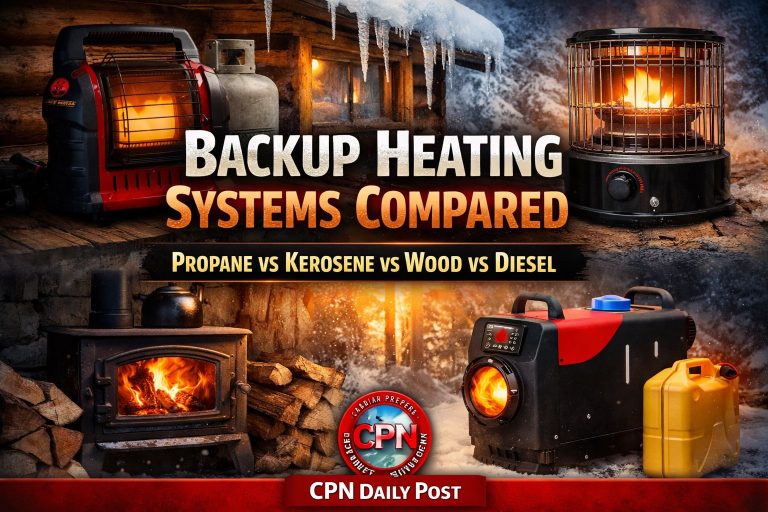
Heating Options That Make Sense in Winter Emergencies
Redundancy matters. One heat source is none when it fails.
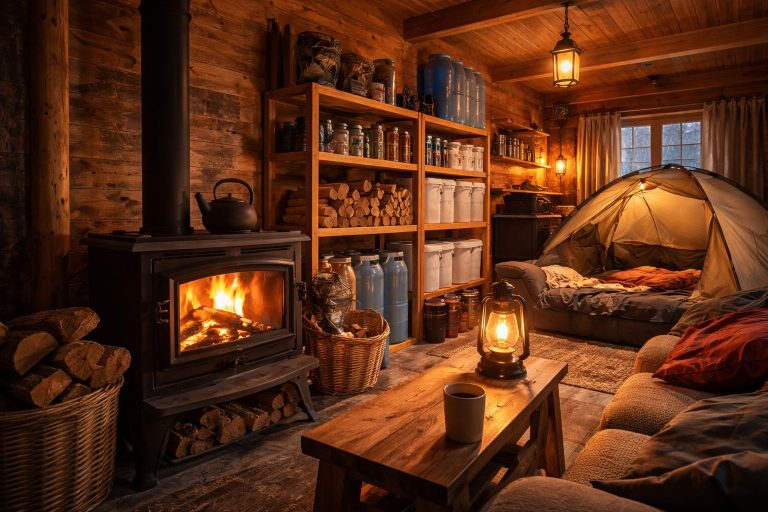
Wood Heat
- Excellent for prolonged outages
- Fuel can be locally sourced
- Provides cooking capability
- Requires chimney safety and dry wood
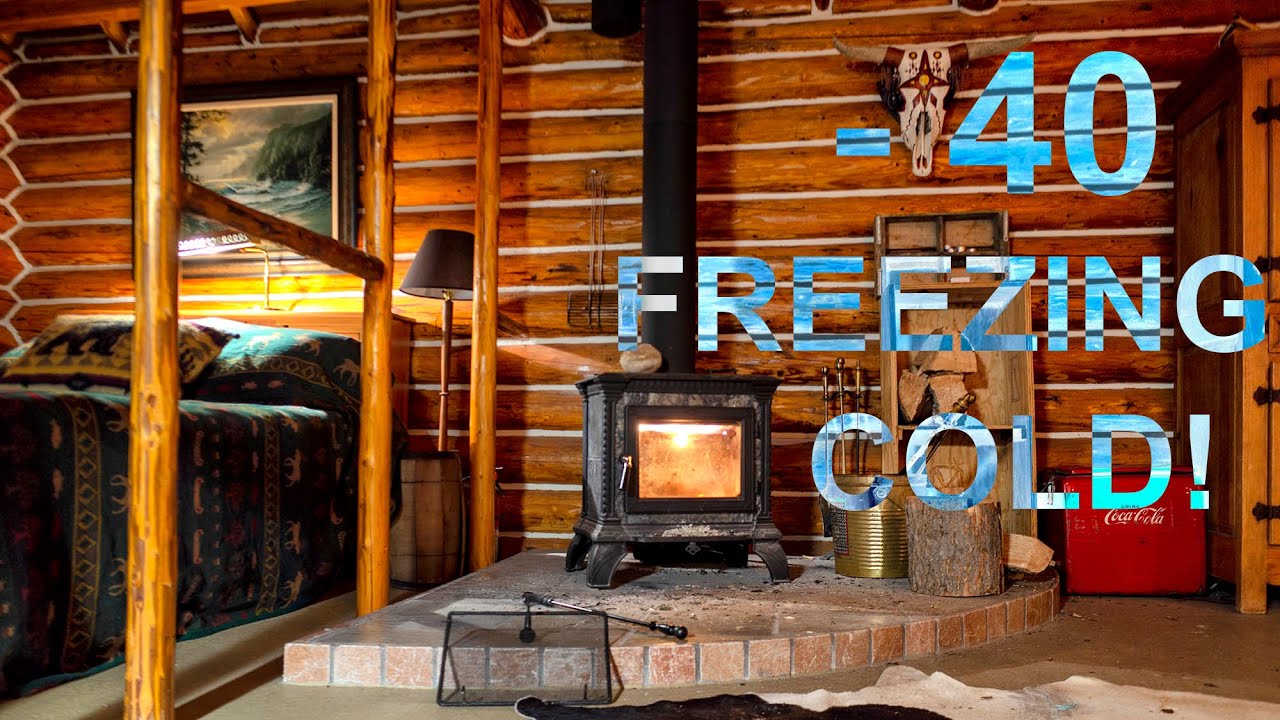
Wood stoves remain one of the most resilient heating options for Canadian winters, provided fuel is stored properly.
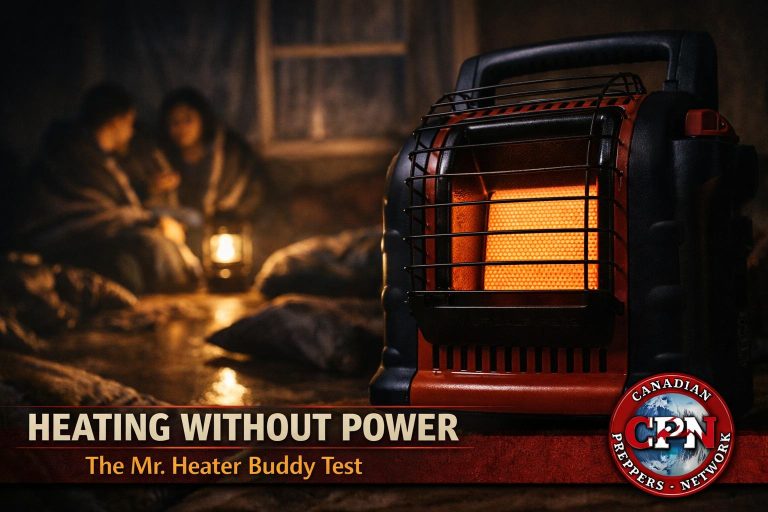
Propane Heat
- Reliable and controllable
- Indoor-safe models exist
- Fuel stores indefinitely
- Requires ventilation awareness
Propane works well as a secondary or tertiary heat source when power is unreliable.
Electric Backup Heat
- Easy to use
- High power demand
- Useless without electricity
Electric heat is best viewed as supplemental, not primary, unless paired with a robust off-grid power system.
Creating a “Warm Core” Inside Your Home
In prolonged cold events, heating the entire house may be unnecessary or impossible.
Preppers should plan to:
- Zone heat into one or two rooms
- Close unused spaces
- Use curtains or blankets to reduce room volume
- Sleep and live in the same warmed area
This strategy dramatically reduces fuel consumption and keeps temperatures stable where it matters most.
Moisture Control: The Silent Winter Threat
Cold homes trap moisture. Moisture leads to:
- Mold growth
- Rot
- Cold-feeling air
- Health problems
Moisture Management Basics
- Ventilate briefly but intentionally
- Avoid drying clothes indoors without airflow
- Use lids when cooking
- Watch condensation on windows
- Keep airflow behind furniture near exterior walls
Dry air feels warmer and is healthier.
Emergency Shelter Within the Shelter
If primary heating fails completely, having last-resort options matters.
Examples:
- Sleeping bags rated for winter
- Emergency bivy sacks
- Insulated tents or canopy setups indoors
- Layered bedding systems
These are not ideal — but they buy time and prevent hypothermia.
Fuel Planning for Cold Weather
Running out of fuel is a planning failure, not bad luck.
Consider:
- Extra firewood beyond “average winter” estimates
- Propane reserves for at least 7–14 days
- Safe indoor storage limits
- Protected outdoor fuel access during snow
Fuel becomes harder to obtain after storms hit.
Practicing Shelter Readiness
You don’t need a disaster to test your setup.
Try:
- Turning off main heat for 12–24 hours during a cold night
- Living in your warm core only
- Tracking fuel use
- Identifying drafts you missed
Practice turns theory into confidence.
Final Thoughts
Shelter and heat failures don’t announce themselves — they creep in through drafts, moisture, and fuel depletion. Canadian winters are predictable in one way: they will test your weakest point eventually.
Preparedness means:
- Reducing heat loss
- Layering heating options
- Managing moisture
- Planning for fuel shortages
- Practicing before conditions force the lesson
Stay ahead of the cold, and winter becomes manageable instead of dangerous.
📘 Acres of Preparedness — Your Off-Grid Survival Blueprint 📘
If you’re dedicated to self-reliance and long-term readiness, Acres of Preparedness is the no-nonsense guide you need. It walks you through how to transform land into a resilient retreat — from food production and shelter to security and sustainability. Whether you’re planning for a short-term crisis or permanent off-grid living, this book lays the groundwork for real-world survival.
👉 Grab your copy here: https://amzn.to/4iLrm9Y