Winter creates a false sense of safety. Fewer people outside, longer nights, and harsh weather often lead homeowners to assume crime risk drops. In reality, winter shifts how security fails. Power interruptions, reduced visibility, and predictable routines create opportunities that are easy to miss until something goes wrong.
Across many parts of Canada, recent cold snaps and overnight outages have highlighted the same pattern: when lighting fails, cameras lose power, and people retreat indoors, awareness drops first. Security preparedness isn’t about turning your home into a fortress. It’s about maintaining visibility, predictability control, and response options when conditions are working against you.
Darkness Is a Multiplier, Not the Threat
Winter darkness itself isn’t dangerous. The problem is unmanaged darkness. Snowbanks, tree lines, sheds, and side yards create approach routes that disappear after sunset, especially during storms or outages.
A reliable first layer is light that activates only when it matters. Motion-activated outdoor lighting (https://amzn.to/3ZkM9pR) does more than illuminate space — it interrupts intent. Sudden light forces movement into visibility, triggers cameras more effectively, and gives occupants immediate situational awareness without running lights all night.
For rural and semi-rural properties, lighting should prioritize approach routes, not just doors. Driveways, gates, and paths between outbuildings are where winter movement often goes unnoticed.
Cameras Are Only as Good as Their Power
Many households install cameras and assume the problem is solved. Winter exposes the weakness in that assumption quickly. Batteries drain faster in cold weather, Wi-Fi becomes unstable during outages, and some cameras simply aren’t designed for Canadian temperatures.
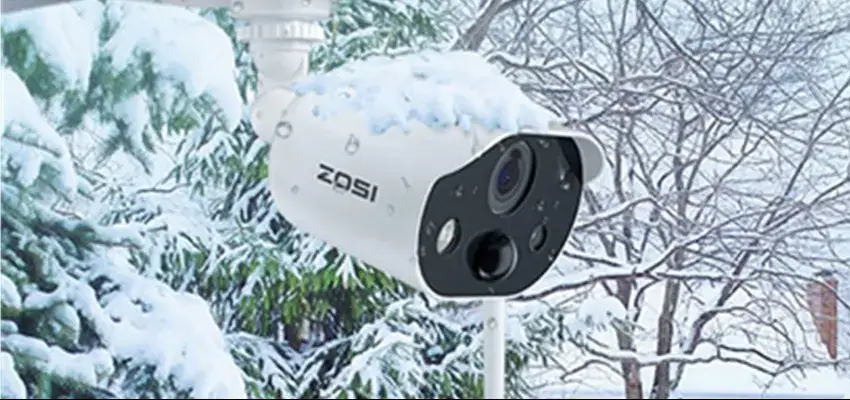
Hardening camera reliability often means decoupling visibility from connectivity. Local recording, downward angles that reduce snow glare, and sheltered mounting locations improve performance immediately. A cold-rated outdoor camera system with local storage (https://amzn.to/3Qm8LJ2) keeps eyes on your property even when internet service drops, which is exactly when awareness matters most.
Security cameras should support decision-making, not create a false sense of coverage.
Predictability Is the Easiest Vulnerability to Fix
Winter routines become visible quickly. The same lights at the same times. The same parking spot. The same dark windows during storms. These patterns don’t require surveillance to notice — they’re obvious to anyone nearby.
Breaking predictability doesn’t require paranoia. Simple variation is enough. Rotating which rooms are lit, using timers backed by battery power, and changing arrival patterns during storms all introduce uncertainty without effort.
Timers and low-draw smart plugs connected to a small battery backup or power station (https://amzn.to/3XyN6cT) keep lighting patterns alive during short outages, preventing your home from broadcasting “no power, no activity.”
Security Starts Before the Emergency
Most losses happen before a crisis, not during one. Fuel cans, generators, tools, ladders, and even firewood piles are often staged in ways that make them easy to access — not just for you.
Winter is the right time to audit what’s visible. Anything that could be used to force entry or removed quickly should be secured or relocated. Locks, fencing, and storage don’t need to be extreme; they need to be consistent.
Security isn’t about confrontation. It’s about deterrence and delay, buying time for awareness and response.
Actionable Steps for This Week
Before the next weather system:
- Walk your property after dark and note blind spots
- Test motion lighting coverage and camera night visibility
- Identify predictable patterns and vary at least one
- Secure tools, fuel, and ladders from casual access
Security systems that work quietly in winter will work when conditions deteriorate.
Acres of Preparedness
Short-term security measures are only part of the picture. Acres of Preparedness explores long-term land layout, building placement, infrastructure planning, and community design where security is built into daily life — not bolted on during emergencies — with Canadian climate realities in mind.