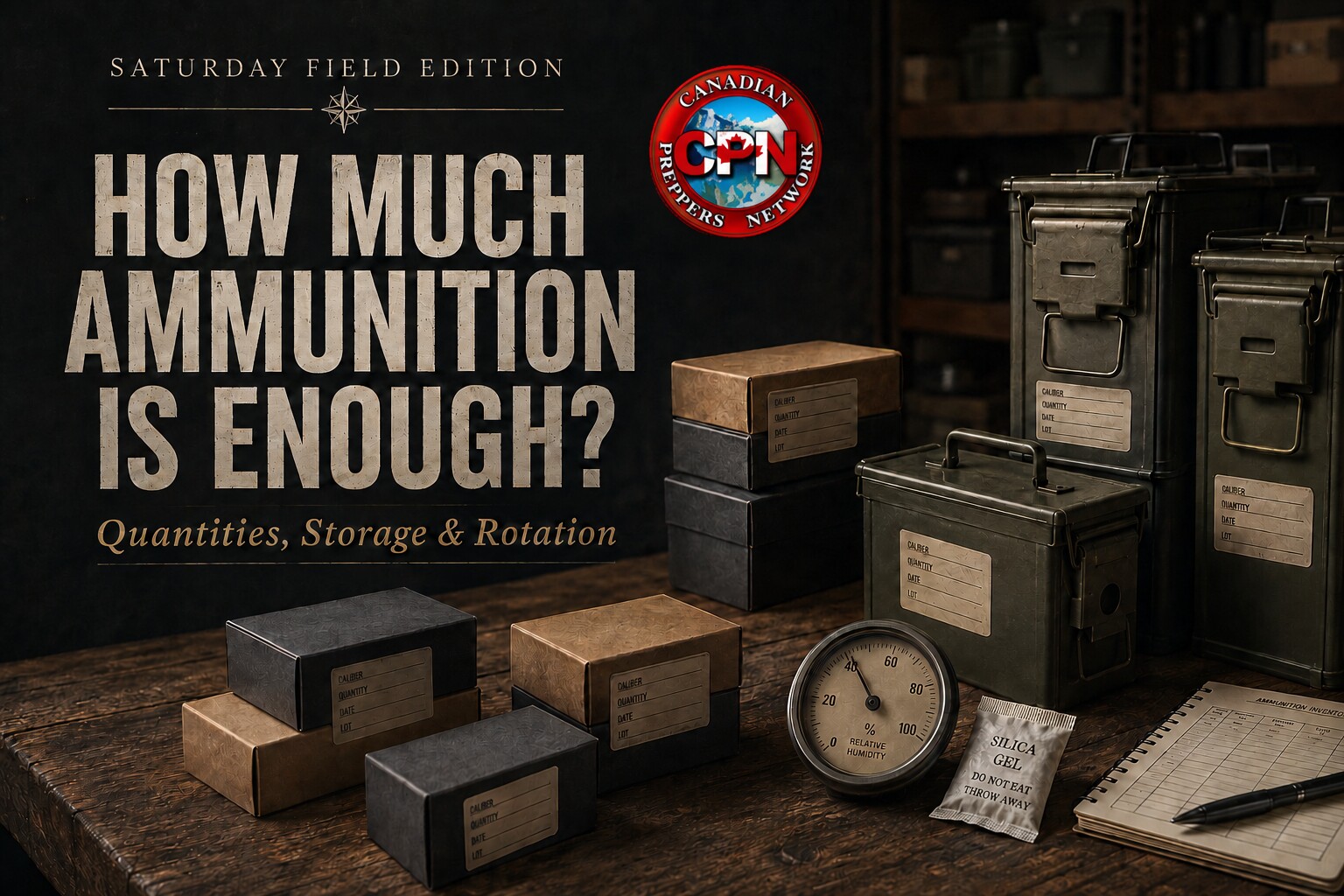
Building a practical reserve—and keeping it reliable
Ammunition shortages rarely arrive with a formal warning. An increase in demand, manufacturing interruption, import difficulty or regulatory change can empty shelves remarkably quickly. Popular cartridges disappear first, prices rise, and shooters begin conserving whatever remains.
The predictable reaction is to buy as much ammunition as possible whenever it becomes available. That may produce an impressive stack of boxes, but it does not necessarily create a useful reserve. Someone can accumulate thousands of inexpensive cartridges while remaining short of the particular hunting load, competition ammunition or dependable practice ammunition that matters most.
The better question is not simply how many rounds should be stored. It is:
The answer depends on what the firearm is for, how frequently it is used and how difficult its ammunition would be to replace.
Begin With Purpose
Every firearm should have a clearly defined role. That role determines the amount and type of ammunition worth keeping.
A rimfire rifle used every week will consume far more ammunition than a hunting rifle fired during an annual sight-in session and a short hunting season. A shotgun used for trap shooting requires a large supply of target loads, but that volume does not replace the need for suitable hunting ammunition.
Divide ammunition into four broad categories:
- Routine practice: Ammunition consumed during ordinary range sessions.
- Verification: Ammunition reserved for sighting-in, function testing and confirming accuracy.
- Seasonal use: Hunting, competition and other predictable activities.
- Protected reserve: Ammunition retained for a prolonged shortage or period when replacement is impossible.
This immediately exposes weaknesses that a simple total-round count conceals. Five thousand rounds in one calibre provide no help if the firearm needed for the coming hunting season uses something else.
Calculate Annual Consumption
The most reliable starting point is actual use.
Record the number of rounds normally fired during one session and multiply it by the number of sessions expected during the year. Add hunting, competition and sight-in requirements separately.
Someone firing 150 rounds of .22 LR twice each month consumes approximately 3,600 rounds annually. A person who takes a centrefire rifle to the range four times a year and fires 30 rounds during each visit consumes only 120 practice rounds.
For commonly available ammunition, a six- to twelve-month buffer may be sufficient. For a discontinued, uncommon or imported cartridge, keeping several years of normal consumption can be reasonable because replacement may remain difficult even after general availability improves.
This is not a recommendation to purchase everything at once. A useful reserve can be developed gradually by replacing what was fired and adding a modest amount to storage after each range trip.
Plinkin’ in the Woods with Frugal Gunnie
Spend a full day developing practical outdoor rimfire marksmanship skills. Work from prone, standing, seated and kneeling positions while learning to use slings, bipods, tripods and shooting bags more effectively.
Saturday, September 12, 2026
8:00 a.m.–5:00 p.m.
Great Ape Empire
267 Highway 6, Wiarton, Ontario
Weekend camping: $20 per person
Space is strictly limited. Participants must meet all applicable legal and organizer requirements.
Practical Quantity Ranges
No universal number fits every shooter, but the following ranges provide reasonable planning examples.
Rimfire Ammunition
Rimfire rifles are inexpensive to practise with and tend to consume ammunition quickly.
- Occasional shooter: 1,000–2,000 rounds
- Regular practice: 3,000–5,000 rounds
- Frequent training or competition: one to two years of documented consumption
A large rimfire reserve is only useful if the ammunition functions reliably in the firearm. Before buying a case, test several boxes from that manufacturer and load. Some semi-automatic firearms are noticeably more dependable with particular ammunition.
Centrefire Rifle Ammunition
Centrefire quantities should be divided by purpose.
- Hunting rifle: approximately 80–200 rounds of a proven hunting load
- Occasional practice rifle: 200–500 suitable practice rounds
- Frequently used rifle: one year of normal practice consumption plus a replacement buffer
- Uncommon calibre: enough for several years of realistic use
A hundred rounds of a preferred hunting load can represent many seasons when it is used primarily for verifying zero and hunting. Buying several different bullet weights simply because they are available is less valuable than maintaining a reserve of the exact load already proven accurate in the rifle.
Shotgun Ammunition
Shotshell requirements vary dramatically.
- Occasional hunting: 100–250 appropriate hunting shells
- Regular clay shooting: 1,000 rounds may represent only part of one season
- General preparedness: separate quantities of target, small-game, waterfowl and slug loads according to actual need
Shotgun ammunition is bulky and heavy. Before purchasing by the case, consider whether the shelving, floor and containers can safely support it.
Handgun Ammunition
Where legally owned and used, handgun ammunition should also be based on documented range consumption.
- Occasional practice: 500–1,000 rounds
- Regular target use: approximately one year of consumption
- Competition: projected match and practice use plus enough to cover delayed resupply
The objective is continuity. A reserve should permit regular practice to continue during a shortage rather than encouraging the shooter to stop practising entirely.
Canadian Grid-Down Starter Kit
Use this printable first-72-hours checklist to test your household’s water, power, food, sanitation, communications and operating routines before a short outage becomes a long-term grid-down emergency.
Depth Is Usually Better Than Variety
A common mistake is accumulating firearms in numerous calibres while maintaining too little ammunition for any of them.
Standardizing around a smaller group of useful calibres makes storage, purchasing and inventory control easier. It also allows bulk purchases to support multiple firearms. This does not mean uncommon or inherited firearms have no place, but their ammunition requires more deliberate planning.
When deciding what to purchase next, fill the most important shortage rather than adding another box to the largest pile:
- Proven hunting or purpose-specific loads
- Ammunition for the most frequently used firearms
- Difficult-to-replace calibres
- Regular practice ammunition
- Experimental loads and opportunistic purchases
Storage Conditions Matter More Than Gadgets
Modern factory ammunition can remain dependable for decades when protected from moisture, contamination and damaging temperature cycles. Ammunition produced 50 or 60 years ago is still encountered in functional condition, although age alone does not establish whether a particular cartridge is safe to fire.
The ideal storage location is cool, dry and reasonably stable. The principal threats are:
- Persistent humidity
- Water intrusion
- Condensation
- Oil, solvent or chemical contamination
- Repeated extreme heating and cooling
- Physical damage
- Unauthorized access
A finished basement can work if it remains dry, but ammunition should not sit directly on concrete. Use shelving or a raised platform that protects containers from minor flooding and allows the area to be inspected.
An unheated garage, shed or vehicle is less suitable. Canadian temperature swings can move ammunition repeatedly between deep cold and summer heat. Carrying cold ammunition into warm, humid air can also produce condensation on the cartridges and inside containers.
Attics can become extremely hot, while furnace rooms combine heat with potential ignition sources. Ammunition should also be kept away from gasoline, propane, solvents, paint, oily rags and other flammable materials.
Rod Giltaca on Long-Term Storage
Canadian firearms instructor Rod Giltaca addressed this subject in the widely viewed Civil Advantage video, How to Store Ammunition – Long Term.
His central point remains useful: properly stored ammunition lasts an exceptionally long time. He notes that ammunition can remain functional for 50 or 60 years—and potentially longer—when protected under appropriate conditions.
The demonstration compares practical storage options and reinforces the importance of protecting ammunition from its environment. The container matters, but moisture control and sensible storage conditions matter more than elaborate packaging.
The video concentrates on preserving ammunition. The quantity-planning system in this article adds the other half of the equation: determining what should be stored before deciding how to store it.
Watch Rod Giltaca: How to Store Ammunition – Long Term
Build Communications That Do Not Depend on the Grid
PrepperRadio.ca offers a Canadian Basic Amateur Radio Course developed specifically around preparedness, emergency communications and practical station use. Learn at your own pace and prepare for the Canadian Basic qualification examination.
Original Boxes or Loose Ammunition?
Both methods can work, but they serve different purposes.
Factory cartons preserve information that loose ammunition does not:
- Manufacturer
- Calibre
- Bullet weight and type
- Lot number
- Ballistic information
- Original load identification
Original boxes are particularly useful for hunting ammunition, multiple loads of the same calibre and ammunition that might otherwise be misidentified. They make inventory and lot tracking considerably easier.
Cardboard, however, absorbs some moisture from the surrounding air and consumes space inside an ammunition can. It should not be assumed to provide long-term protection by itself.
Loose bulk storage can be reasonable when:
- Every cartridge in the container is the identical load
- The manufacturer and load are known
- The lot number is retained
- The cartridges are clean and completely dry
- The can is clearly labelled
- The container has a sound gasket
- Dry desiccant is included when appropriate
A portion of the factory packaging or its identifying label can be placed inside the can as a second record. The same information should appear on the outside.
Loose ammunition should not be combined merely because the cartridges appear similar. Several cartridges have nearly identical dimensions but are not safely interchangeable.
For most households, a mixed approach works best: premium and purpose-specific ammunition remains in its original cartons, while a single proven practice load may be stored loose in a properly labelled can.
CPN Gold Membership
Gold Membership includes access to the CD3WD collection and hundreds of practical manuals covering food production, agriculture, water, energy, repairs, health and self-reliance.
Gold members also receive the monthly Canadian Preparedness Intelligence Briefing examining global geopolitics, domestic economic pressures, employment, food and energy security, civil-defence developments and other emerging concerns.
Metal and Polymer Ammunition Cans
Both can work well.
Metal military-style cans are durable, stackable and resistant to impact. Their replaceable rubber gaskets can provide an excellent seal, but the cans are heavy and may rust if stored on a damp floor.
Polymer cans are lighter and will not rust. Quality varies considerably, however, and inexpensive hinges, handles or latches may fail when the container is heavily loaded.
Regardless of material:
- Inspect the gasket
- Verify that the latch closes properly
- Avoid overloading the handle
- Label the contents clearly
- Keep the container off the floor
- Do not assume “water resistant” means waterproof
- Never seal damp or contaminated ammunition inside it
A sealed can does not remove moisture. It traps whatever air and humidity were present when the lid was closed.
Oversized containers should also be avoided. A large can filled with centrefire ammunition or shotshells can become extraordinarily heavy. Several smaller containers are easier to move, inspect and organize.
Desiccant and Humidity Monitoring
Reusable silica-gel packs can help control moisture inside a sealed container. They are most effective when the ammunition and container are already dry.
Desiccant that has absorbed moisture must be reactivated or replaced according to its instructions. Humidity-indicator cards provide a simple visual warning that conditions inside the container have changed.
A hygrometer can monitor the larger room. If room humidity remains persistently high, a dehumidifier or a different storage location may be more important than adding more packets to each can.
Desiccant is a final layer of protection. It is not a substitute for correcting a leaking basement or unsuitable storage location.
Inventory and Rotation
A reserve should be managed, not forgotten. Each container should be labelled with:
- Calibre or gauge
- Manufacturer
- Bullet or shot type
- Bullet or shot weight
- Quantity
- Lot number
- Purchase month and year
- Intended purpose
Maintain a simple written or electronic inventory. Record purchases and subtract ammunition used at the range. This prevents the familiar discovery that a supposedly full can contains only a few partial boxes.
Use older practice ammunition first, while keeping proven hunting ammunition grouped by lot whenever possible. When changing lots, confirm the firearm’s point of impact before relying on the new ammunition.
Maintain one active-use container for current range ammunition and leave the protected reserve sealed until it is needed or scheduled for inspection.
Inspect Before Use
Every cartridge should be examined before it is loaded. Watch for:
- Substantial corrosion
- Cracked or badly dented cases
- Loose bullets
- Bullets pushed unusually far into the case
- Damaged primers
- Swollen or distorted shotshells
- Contamination from oil, solvent or water
- Ammunition whose identity is uncertain
Do not attempt to restore heavily corroded ammunition for firing. Do not tumble loaded cartridges.
Ammunition that has been submerged, exposed to fire or seriously contaminated should be isolated and handled according to manufacturer and local disposal guidance. When in doubt, losing one cartridge is considerably cheaper than damaging a firearm or injuring someone.
Canadian Storage Requirements
Canadian law does not establish a simple household limit expressed as a number of cartridges.
Under the federal Explosives Regulations, an unlicensed user may store up to 225 kilograms net explosive quantity of small-arms cartridges. That means the explosive content—not the combined weight of bullets, cartridge cases, boxes and containers.
Ammunition stored in a dwelling must be kept away from flammable substances and ignition sources. People who are not authorized by the owner must not have unlimited access to it.
Firearm-storage rules add another consideration. Ammunition must not be readily accessible to a stored firearm unless it is kept, either with or separately from the firearm, in an appropriately locked container, receptacle, vault, safe or room. The precise firearm-storage requirements vary according to firearm classification and storage arrangement.
Loose smokeless powder, black powder and primers are governed by separate requirements and quantity limits. They should not be treated as though they were completed factory cartridges.
Readers establishing a substantial storage arrangement should verify the current rules:
-
Natural Resources Canada: Buying, Selling and Storing Ammunition
-
Explosives Regulations, 2013
-
Storage, Display, Transportation and Handling of Firearms by Individuals Regulations
Build a Proper Ammunition Storage System
These supplies address the most common storage weaknesses: moisture, poor organization, inadequate labelling and containers that do not seal properly.
Gasketed Ammunition Cans
A durable container with an intact gasket helps protect ammunition from moisture, dust and physical damage.
Shop gasketed ammunition cans on Amazon.ca
Rechargeable Desiccant Packs
Desiccant helps control moisture inside sealed containers and can be renewed instead of continually replaced.
Shop rechargeable desiccant on Amazon.ca
Compact Digital Hygrometers
A small humidity monitor reveals a moisture problem before corrosion or deterioration becomes visible.
Shop compact hygrometers on Amazon.ca
Waterproof Labels and Permanent Markers
Clearly record calibre, quantity, load and purchase date so older ammunition can be used and replaced first.
Shop waterproof storage labels on Amazon.ca
As an Amazon Associate, Canadian Preppers Network earns from qualifying purchases.
Enough Means Sustainable
The goal is not to construct the largest possible pile. It is to maintain the ammunition required to keep important firearms useful, preserve regular practice and endure an extended period of poor availability.
A carefully planned reserve has depth in proven loads, clear labels, controlled storage conditions and a rotation system. It is based on actual consumption rather than internet folklore.
Count the rounds you use. Identify the loads that cannot easily be substituted. Build the reserve gradually, store it securely and inspect it periodically.
That is how ammunition becomes a dependable preparedness resource rather than an expensive collection of forgotten boxes.