In Canada, shelter and heat are not conveniences. They are life-support systems. When winter weather places stress on infrastructure, failures escalate quickly and often quietly. A short power outage, a furnace malfunction, or a delayed fuel delivery can turn a safe home into a cold structure in a matter of hours, especially during prolonged cold snaps.
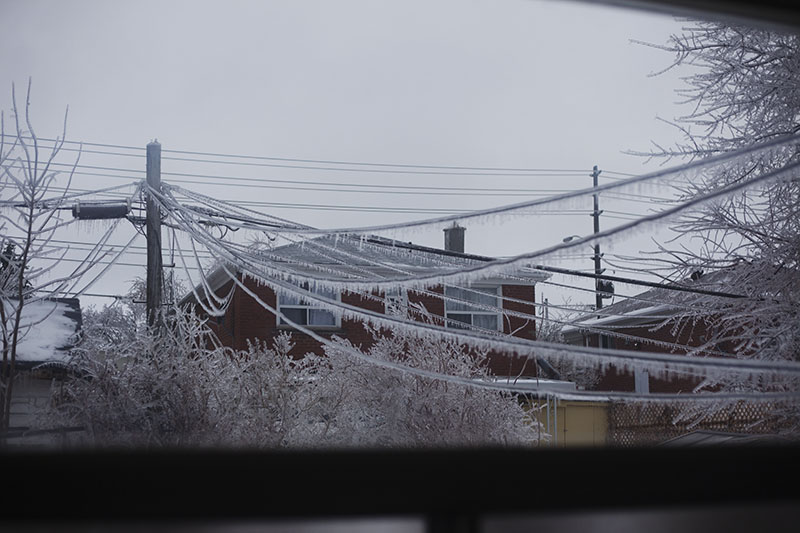
Recent Environment Canada winter storm warnings, snowfall alerts, and freezing rain advisories across Ontario, Quebec, the Prairies, and Atlantic Canada have once again demonstrated how frequently winter weather strains the systems Canadians rely on. These alerts are not rare events — they are seasonal realities.
If readers want context on how often these stresses occur, your article ⚡ The Reality of Winter Power Failures in Canada documents how grid reliability degrades under winter load and weather pressure:
https://canadianpreppersnetwork.com/%e2%9a%a1-the-reality-of-winter-power-failures-in-canada/

Preparedness for shelter and heat is not about extreme scenarios. It is about slowing heat loss, maintaining safe indoor temperatures, and buying time when systems falter.
Heat Loss Is the First and Fastest Failure
Homes rarely become dangerous because heat generation stops entirely. They become dangerous because heat escapes faster than it can be replaced. Drafty windows, poorly sealed doors, uninsulated basements, and air leaks accelerate temperature loss during outages — especially when wind, blowing snow, and sub-zero temperatures are involved.
Winter storms amplify every weakness in a structure. A home that feels adequate during normal conditions can lose several degrees per hour once power is interrupted. This is why shelter preparedness begins with retention, not heat production.
Your practical checklist 5 Things to Do to Prepare Your Home for Winter is a strong baseline reference for readers who haven’t assessed their structure yet:
https://canadianpreppersnetwork.com/5-things-to-do-to-prepare-your-home-for-winter/
Temporary measures are often underestimated but highly effective. Sealing off unused rooms, covering windows, and reducing airflow can dramatically slow heat loss without renovations. Reflective emergency insulation rolls (https://amzn.to/3XJwR9E?tag=canadpreppn01a-20) are especially effective for quickly covering windows and draft-prone areas, creating a smaller, warmer living space that requires far less energy to maintain.
Backup Heat Must Function Without Assumptions
Many Canadians assume their heating system will function as long as fuel exists. Winter disproves that assumption regularly. Furnaces depend on electricity. Boilers rely on circulation pumps. Smart thermostats require connectivity. During winter storms, these dependencies become liabilities.
Preparedness requires heat sources that function without grid power and can be used safely indoors. This is particularly important during freezing rain events, when utilities may shut down lines pre-emptively or face delays due to hazardous repair conditions.
Your article How to Heat Your Home Without Electricity (Canadian Winter Edition) already reinforces this point well and fits naturally here:
https://canadianpreppersnetwork.com/how-to-heat-your-home-without-electricity-canadian-winter-edition/
Portable, CSA-rated indoor propane heaters provide controlled warmth without electrical dependency. When used correctly, a unit like this indoor propane heater (https://amzn.to/3U9Hn2W?tag=canadpreppn01a-20) can stabilize indoor temperatures, prevent freezing, and reduce stress while households transition to longer-term solutions.
Backup heat is not meant to fully replace central heating indefinitely. Its role is to bridge the gap, preserve safety, and maintain livable conditions.
For real-world context, your article Dealing With Extreme Cold During a Grid Down Emergency shows how quickly conditions deteriorate once heat is lost:
https://canadianpreppersnetwork.com/dealing-with-extreme-cold-during-a-grid-down-emergency/
Fuel Access and Simplicity Decide Outcomes
High-output systems fail without fuel. Winter frequently disrupts access before it disrupts supply. Snowed-in driveways, frozen regulators, delayed deliveries, and impassable secondary roads all limit fuel availability long before shortages appear.
This is why simple, manually supported heating methods remain relevant, particularly in rural and semi-rural Canada. Wood heat, when available, provides long-term resilience — but only if the tools and routines supporting it are already in place.
Your article Dealing With Heavy Snowfalls When the Grid Is Down reinforces how access, not supply, becomes the limiting factor during winter storms:
https://canadianpreppersnetwork.com/dealing-with-heavy-snowfalls-when-the-grid-is-down/
Even households without full wood-stove setups benefit from basic wood-processing capability. A compact manual splitting tool (https://amzn.to/3Kq2RzH?tag=canadpreppn01a-20) allows safe preparation of kindling and firewood without relying on fuel-powered equipment that may not start in extreme cold.
Preparedness favours systems with few dependencies.
Shelter Failures Cascade Into Secondary Crises
When heat drops, secondary problems appear quickly. Water lines freeze and burst. Batteries drain faster. Condensation increases moisture and mould risk. Families cluster around unsafe heat sources or attempt dangerous improvisations.
This is why shelter planning must assume overnight and multi-day disruption, not just a brief inconvenience. A home that can remain above freezing for 24–48 hours without grid power is dramatically more resilient than one that cannot.
Shelter preparedness is not dramatic. It is methodical, layered, and quiet.
Practical Actions for This Week
Before the next weather system:
- Identify the warmest room in your home and plan to consolidate heat
- Seal drafts and cover unused windows or doors
- Test one non-electric heat source safely
- Confirm fuel access during snow and ice conditions
Homes that hold heat longer create time. Time creates options.
Acres of Preparedness
Short-term heating solutions address immediate risk, but long-term shelter resilience requires planning. Acres of Preparedness explores insulation strategy, heating systems, fuel storage, building orientation, and community-scale shelter planning — all designed for Canadian climates and repeated winter stress.