As the crisp days of fall give way to the brutal chill of winter, every prepper knows this is the most critical time to review, rotate, and reinforce your emergency gear. The transition from fall to winter demands more than a clothing swap—it’s a complete mindset shift from flexibility to fortification. When temperatures plummet and storms roll in, small oversights can quickly turn deadly.
Below is a detailed guide on how to adapt your emergency kits, vehicles, and homestead supplies for the coldest months ahead.
1. Cold-Weather Clothing and Layering
Fall jackets and gloves may have sufficed for cool mornings, but winter brings sub-zero threats.
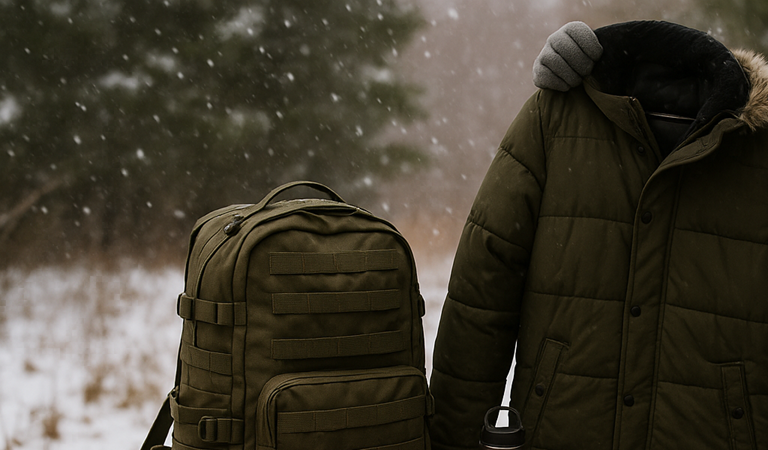
- Upgrade to Insulated Gear: Swap lightweight fleece and mid-layers for insulated parkas, snow pants, and down or synthetic jackets.
- Add Thermal Underlayers: Moisture-wicking base layers made from merino wool or synthetics prevent sweat from freezing against your skin.
- Protect Extremities: Replace thin gloves and hats with windproof, waterproof versions. Keep spare pairs sealed in plastic bags.
- Boots and Socks: Fall hiking boots won’t cut it in deep snow. Use insulated, waterproof boots and multiple pairs of wool socks.
2. Heating and Fire Preparedness
When the grid goes down in winter, staying warm isn’t a comfort—it’s survival.
- Fuel Rotation: Top off propane, kerosene, and wood stocks before snow makes travel difficult. Rotate stored fuel and inspect containers for leaks.
- Portable Heat: Add compact heaters rated for indoor emergency use. Catalytic propane heaters or small rocket stoves are excellent off-grid solutions.
- Fire-Starting Redundancy: Waterproof matches, ferro rods, and fire starters should all be replenished. Keep them in both your home and vehicle kits.
- Insulated Shelter Additions: Pack extra wool blankets, Mylar sheets, and sleeping bags rated for sub-zero temperatures.
3. Water and Food Adjustments
Cold weather introduces new challenges for hydration and food storage.
- Prevent Freezing: Store water in stainless or heavy-duty plastic containers with room for expansion. Rotate often and avoid glass bottles in vehicle kits.
- Winterized Cooking Gear: Ensure your stoves and fuels operate in freezing temperatures—many butane stoves lose efficiency in cold weather.
- Calorie Increase: Cold conditions demand higher energy intake. Add calorie-dense foods—nuts, jerky, peanut butter, and freeze-dried meals high in fat content.
- Comfort Foods: In stressful, cold conditions, morale matters. Include hot cocoa, instant coffee, or soup packets.
4. Vehicle and Mobility Kits
Winter breakdowns are a prepper’s worst-case scenario. Adjust your vehicle emergency kits before the first snowfall.
- Traction and Extraction: Add tire chains, traction mats, and a small shovel. A bag of sand or cat litter helps with traction on ice.
- Warmth and Safety: Include a heavy blanket, gloves, extra hat, hand warmers, and chemical heat packs.
- Visibility Gear: Flares, reflective vests, and bright signal flags can save your life in low visibility.
- Battery and Fuel Check: Keep jumper cables, a portable battery pack, and a full tank—fuel lines can freeze when running low.
5. Home and Retreat Reinforcement
Winter storms can isolate even the most prepared. Make your retreat winter-resilient.
- Check Seals and Insulation: Inspect doors, windows, and vents. Add weather stripping and plastic film where necessary.
- Backup Power: Test generators, solar systems, and inverters before they’re needed. Store fuel indoors (in ventilated, fire-safe containers).
- Water Systems: Drain garden hoses and insulate exposed pipes. Keep a manual pump or gravity-fed backup for frozen well systems.
- Medical Prep: Stock cold and flu medications, chest rubs, and hydration salts. Frozen conditions slow rescue times—self-sufficiency is key.
6. Psychological and Family Readiness
Winter isolation can wear down morale and decision-making.
- Comfort Items: Books, games, and warm lighting (like LED lanterns) help maintain mental stability.
- Group Training: Review fire drills, sheltering procedures, and first-aid routines with family or MAG members.
- Communication Checks: Test your radios and backup power systems. Cold temperatures can reduce battery life dramatically.
The Takeaway: Fortify, Don’t Freeze
The shift from fall to winter is the final prepper checkpoint of the year. By strengthening your kit now, you secure your defenses against the season that tests even the most experienced homesteads. Survival is about adaptation—and winter rewards those who plan ahead.
📘 Featured Resource:
Acres of Preparedness: Planning the Last Safe Place
A detailed blueprint for designing and maintaining a self-sufficient retreat—built to withstand every season.