Preparedness is easy to scatter.
One day you are reading about food storage. The next day it is water filters. Then backup heat, communications, first aid, generators, home security, gardening, wilderness skills, and community planning all start pulling your attention in different directions. Before long, preparedness can feel less like a plan and more like a pile of articles, gear lists, warnings, and half-finished projects.
That is not how real self-reliance is built.
A prepared household needs systems. Food has to connect to water. Water has to connect to sanitation. Shelter has to connect to heat. Communications depend on power. Medical preparedness depends on training, documentation, and supplies. Security depends on routine and awareness. Homestead skills extend food storage. Wilderness skills support travel, evacuation, and field judgement. Community keeps people from facing every problem alone.
That is why Canadian Preppers Network has created a new series of permanent preparedness hub pages.
These hubs are designed to act as starting points, reference pages, and roadmaps for Canadian households that want to build practical resilience without getting lost in random advice. Each hub focuses on one major preparedness category and organizes the subject into a clear Canadian framework.
These are not quick tips.
They are not panic posts.
They are not gear dumps.
They are long-form, practical guides built around real Canadian conditions.
Why We Built These Hub Pages
Canadian preparedness has its own realities.
Winter changes everything. Flooding can turn safe water into a serious problem. Rural households face different risks than urban households. Power outages affect heat, pumps, communications, and medical devices. Canadian laws and emergency systems are different from American ones. A family in Quebec, Ontario, Alberta, British Columbia, the Maritimes, the North, or the Prairies may share the same broad preparedness goals, but the details matter.
The CPN hub series is meant to give readers a more organized path.
Instead of jumping from one article to another with no clear structure, each hub gathers the main ideas in one place. The pages explain why the topic matters, how to think about it in layers, what common mistakes to avoid, what gear may be useful, and which related CPN articles are worth reading next.
The goal is not to make preparedness complicated.
The goal is to make it easier to build in the right order.
Preparedness Starts With Systems, Not Supplies
Supplies matter, but supplies alone are not preparedness.
A pantry full of food is weaker without water, cooking methods, rotation, and storage protection. A generator is dangerous without carbon monoxide planning and proper electrical safety. A first aid kit is limited without training. A radio does not solve communications if nobody has a contact plan. A garden does not create food security if nothing is preserved or stored.
The hub pages are built around this idea: preparedness works best when each category supports the others.
That means the food hub is not only about food. It connects to storage, cooking, preservation, and household routines. The water hub connects to sanitation, wells, flooding, snowmelt, and purification. The shelter and heat hub connects to backup power, carbon monoxide safety, and winter decision-making. The communications hub connects to Alert Ready, WeatherCAN, AM/FM radio, amateur radio, printed plans, and the reality that Weatheradio Canada is no longer in service.
This is the difference between buying gear and building resilience.
The New CPN Preparedness Hubs
The full series is now organized around ten major preparedness categories.
Food Procurement & Storage in Canada
Food preparedness is more than stacking cans in a basement. A real pantry needs meals, dry storage, protein, preservation, rotation, cooking methods, and protection from waste, pests, moisture, and neglect.
The food hub explains how to build a Canadian prepper pantry that actually works, from a 30-day supply to long-term household food resilience.
Read it here:
Food Procurement & Storage in Canada
Water Collection & Purification in Canada
Water is one of the fastest problems to appear during a disruption. Stored drinking water, utility water, rainwater, wells, filtration, purification, snowmelt, flood contamination, and sanitation all need to be considered together.
The water hub explains how to build a layered household water system instead of relying on a few cases of bottled water.
Read it here:
Water Collection & Purification in Canada
Shelter & Heat in Canada
In Canada, shelter and heat are life-support systems. A winter outage, heating failure, frozen pipe, flood, or unsafe home can change the situation quickly.
The shelter and heat hub explains heat retention, backup heating, carbon monoxide safety, warm rooms, winter shelter decisions, and when staying home may no longer be the safest choice.
Read it here:
Shelter & Heat in Canada
Security & Defense in Canada
Security preparedness is not about looking intimidating. It is about reducing opportunity, protecting the household, hardening weak points, maintaining privacy, documenting valuables, and understanding lawful defensive thinking in Canada.
The security hub explains practical home security, doors, windows, lighting, garage and vehicle security, operational security, neighbourhood awareness, and emergency response planning.
Read it here:
Security & Defense in Canada
Communications in Canada
Communications preparedness has changed. Weatheradio Canada and Hello Weather are no longer in service, which means Canadian households need more than an old weather radio on a shelf.
The communications hub explains family contact plans, Alert Ready, WeatherCAN, local AM/FM radio, backup power, amateur radio, low-tech messaging, printed information, and how to stay connected when phones and internet become unreliable.
Read it here:
Communications in Canada
Medical & First Aid in Canada
Medical preparedness is not about pretending to be a doctor. It is about training, organization, first aid supplies, prescription planning, medical documentation, hygiene, evacuation needs, remote care delays, and knowing when professional help is required.
The medical hub explains how Canadian households can prepare for common injuries, delayed care, chronic medical needs, and emergency situations without confusing supplies with skill.
Read it here:
Medical & First Aid in Canada
Energy Production in Canada
Backup power is often misunderstood. A generator, solar panel, or portable power station is only useful when it is matched to the actual loads that matter.
The energy hub explains critical loads, stored power, solar, generators, fuel planning, carbon monoxide safety, electrical safety, communications charging, water systems, and the maintenance that keeps backup power real.
Read it here:
Energy Production in Canada
Homestead Skills in Canada
Homestead skills are where preparedness stops being storage and starts becoming capability. Gardening, seed starting, composting, pressure canning, root cellaring, tool repair, sewing, hand tools, and small-scale production all help a household become less dependent on perfect supply chains.
The homestead hub explains how to build useful Canadian household skills without pretending every family needs to become a full-scale farm.
Read it here:
Homestead Skills in Canada
Wilderness Skills in Canada
Wilderness skills are useful, but they are often romanticized. Fire, shelter, navigation, water, first aid, signalling, wildlife awareness, and cold-weather judgement all matter, but the wilderness is not an easy escape plan.
The wilderness hub explains realistic Canadian field skills, including their value, limits, risks, and why wilderness capability should support preparedness rather than replace a strong home or retreat plan.
Read it here:
Wilderness Skills in Canada
Mental Resilience & Community Building in Canada
Preparedness is not only physical. Stress, fear, isolation, conflict, decision fatigue, family strain, morale, neighbour networks, and community trust all affect whether a household can function under pressure.
The resilience and community hub explains the human side of preparedness: household roles, routines, Psychological First Aid, morale, neighbour awareness, community events, mutual support, and the kind of calm decision-making that keeps people useful when conditions deteriorate.
Read it here:
Mental Resilience & Community Building in Canada
Start With the Weakest Link
The best way to use these hubs is not to read everything at once and feel overwhelmed.
Start with the weakest part of your own household.
If there is no reliable pantry, start with food. If your water plan is a few bottles in the basement, start with water. If winter outages are your biggest concern, start with shelter, heat, and energy. If family members would not know how to reconnect during an emergency, start with communications. If prescriptions, first aid, or chronic medical needs are the weak point, start with medical preparedness.
Preparedness should match your actual household, not someone else’s checklist.
A rural home with a well pump may need energy and water planning earlier than most. A family with young children may need medical documentation, routines, and communication plans first. A household in a flood-prone area may need water contamination, evacuation, and shelter decisions near the top of the list. A person living alone may need neighbour contacts and communication redundancies sooner than they realize.
The hubs give you the map.
You still choose the route.
A Simple Way to Begin
Pick one hub. Read it. Then write down three gaps in your own household.
Not thirty.
Three.
Maybe you need proper food-grade storage containers. Maybe your water storage is too small. Maybe your carbon monoxide alarms need replacing. Maybe nobody has printed phone numbers. Maybe the first aid kit is expired. Maybe the power station has never been tested. Maybe you own garden tools but do not know how to preserve anything. Maybe your wilderness kit has fire starters but no trip-planning habit. Maybe your family has supplies but no roles.
Fix one gap.
Then fix the next.
That is how real preparedness grows.
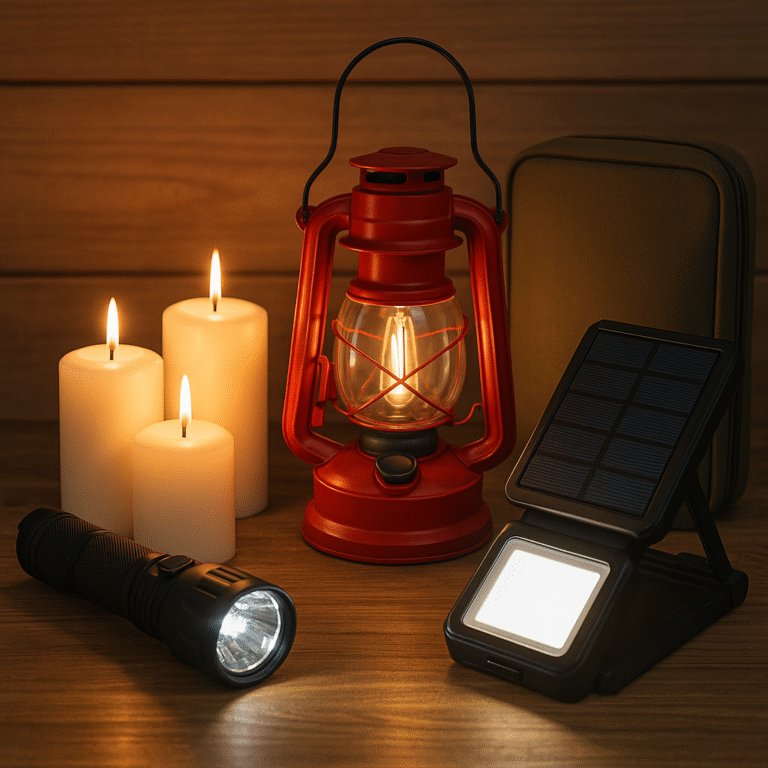
For readers who want to start with basic organization, a few simple tools can help. An emergency planning binder can keep contacts, documents, checklists, and plans in one place. Waterproof notebooks are useful for field notes, inventories, message drops, and emergency logs. Battery-powered AM/FM radios remain useful for local information when internet and phones become unreliable. LED lanterns help keep a home functional during outages without wasting phone batteries.
Those are not magic items. They are simply useful starting tools for building a more organized household system.
Use the Base Hub Page as Your Starting Point
The full hub series is also collected on one main page.
That base page is designed as the front door to the entire CPN preparedness hub system. Bookmark it, share it, and use it as a reference whenever you are reviewing your own household plan.
Start here:
Canadian Preppers Network Preparedness Hubs
Final Thought
Preparedness does not have to be dramatic to be effective.
A stronger pantry matters. Safe water storage matters. A warmer home matters. A clear communications plan matters. A better first aid kit matters. Backup power matters. Security routines matter. Homestead skills matter. Wilderness judgement matters. Community matters.
None of these things stand alone.
Together, they create a household that is harder to overwhelm.
That is the purpose of the CPN preparedness hub series: to help Canadians move from scattered concern to practical action, one layer at a time.
Not panic.
Not fantasy.
Not random gear.
A practical path to self-reliance by preparing for any emergency.