In an era where unpredictability seems to be the norm, focusing on *Prepper Security* has become essential for individuals and communities alike. This proactive approach emphasizes not just personal safety but also the well-being of those around us. Incorporating elements such as *Emergency Preparedness*, *Situational Awareness*, and *Self-Defense Training*, prepper security equips individuals with the strategies needed to respond effectively to various threats. By strengthening *Physical Security* measures and fostering *Community Preparedness*, we can create a resilient environment that thrives even in challenging times. Dive into this article to discover practical tips and techniques to enhance your safety and security.
When it comes to safeguarding yourself and your loved ones, the principles of emergency readiness and protective strategies are more crucial than ever. Focusing on personal safety and community well-being, this discussion on preparedness encompasses vital factors like vigilance, training, and securing your surroundings. By understanding the importance of risk management and promoting collective safety initiatives, individuals can better navigate potential dangers in their environment. This approach not only involves personal responsibility but also community collaboration and shared resources to cultivate a culture of security. Embracing these concepts will empower you to take charge of your safety and resilience.
The Essential Role of Situational Awareness in Prepper Security
Situational awareness is a critical component of prepper security, serving as the first line of defense against potential threats. By staying mindful of your surroundings, you can detect indicators of danger and respond proactively. This enhanced awareness extends beyond personal safety; it also includes understanding the behaviors and actions of those around you. Regularly scanning the environment for any suspicious activity or unexpected changes can help you avoid potentially hazardous situations, whether they arise from natural disasters or human threats.
In practical terms, cultivating situational awareness involves developing certain habits, such as observing exits in a room or being aware of exits in public spaces. It also requires acknowledging when your instincts signal discomfort and taking appropriate actions. Engaging with local workshops or seminars focused on situational awareness can help sharpen these skills, fostering a community of vigilant individuals ready to recognize and address risks together.
Building Your Self-Defense Skills for Enhanced Safety
Self-defense training is an invaluable strategy within prepper security, equipping individuals with the skills necessary to protect themselves in emergencies. Participating in structured training, whether through martial arts, self-defense courses, or firearms training, not only builds physical capabilities but also instills confidence and assertiveness. Learning practical techniques can prepare individuals to respond effectively during confrontations, which may otherwise lead to panic or indecision.
Moreover, self-defense training reinforces awareness of local laws and regulations governing self-defense practices. Understanding these nuances is crucial to ensure responsible engagement during potentially volatile situations. Many community organizations, including the National Rifle Association (NRA), offer resources that create opportunities for individuals to gain certification and enhance their defensive skills, making it an essential part of a well-rounded emergency preparedness strategy.
Effective Physical Security Measures for Your Home
To bolster personal and family safety, implementing robust physical security measures is paramount. This encompasses the installation of quality locks, security cameras, and motion detectors, each of which provides a critical layer of protection against unlawful entry and ensures peace of mind. Additionally, reinforcing entry points such as doors and windows mitigates the risk of infiltration, allowing residents to feel safer in their own homes.
Moreover, the integration of smart home technologies offers unprecedented levels of control and monitoring capabilities. Remote access security systems enable homeowners to observe their property in real-time, receive alerts about suspicious activity, and manage their home’s security settings from anywhere. As public discourse emphasizes the importance of physical security within the broader context of prepper strategies, investing in such enhancements can significantly increase an individual’s overall safety.
Community Preparedness: A Collective Approach to Safety
Community preparedness functions as a cornerstone of effective emergency response, amplifying individual efforts to improve safety. Forming local preparedness groups encourages people to share resources, skills, and knowledge, fostering a culture of mutual assistance. These connected communities can cultivate trust, making it easier to organize collective efforts during emergencies, such as natural disasters or civil disturbances.
Engagement in community initiatives, like emergency preparedness workshops, can also elevate awareness about local threats and effective responses. Through collaborative drills and shared training sessions, communities can collectively build resilience, ensuring that everyone knows their roles during emergencies. By emphasizing the significance of community preparedness alongside personal strategies, individuals can vastly improve their overall security and readiness.
Integrating Cybersecurity into Your Prepper Strategy
As reliance on digital technologies increases, integrating cybersecurity into your prepper security strategy is vital. Protecting personal information online is crucial for preventing identity theft and cyber-attacks, which may otherwise compromise not only individual safety but also community welfare. Basic measures, like strong password protocols and two-factor authentication, can significantly reduce vulnerabilities while reinforcing overall security.
Staying informed about potential cyber threats and regularly updating software is an essential aspect of a comprehensive security strategy. By actively educating oneself on cyber hygiene and the latest security practices, you can minimize the risks that come with our digital lives. As technology and security threats evolve, ensuring a solid online safety framework becomes increasingly essential for anyone committed to the principles of preparedness.
The Psychological Preparedness for Emergencies
Mental preparedness plays a crucial role alongside physical skills and situational awareness in effective prepper security. The ability to remain calm and think clearly in high-stress situations can significantly impact the outcome of emergencies. Engaging in mindfulness practices, such as meditation and breathing exercises, can enhance mental resilience, enabling individuals to manage anxiety and maintain focus during crises.
Additionally, participating in discussions or learning groups centered around mental health can provide valuable insights into coping strategies and emotional preparedness. By fostering mental well-being along with traditional preparedness measures, individuals can cultivate a well-rounded approach to safety that encompasses not only physical defense but also emotional stability, ultimately enriching their overall readiness for any scenario.
Exploring Sustainable Living as a Prepper Strategy
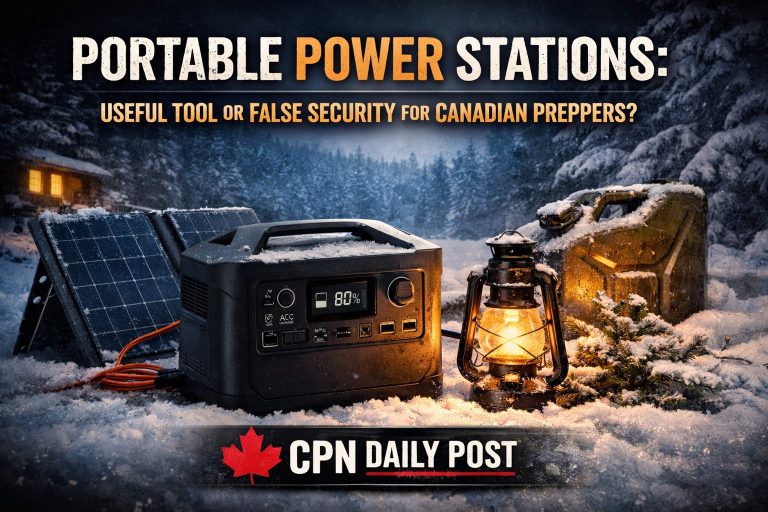
Integrating sustainable living practices within the prepper community reflects a growing awareness of environmental responsibility and self-sufficiency. Emphasizing renewable energy solutions, such as solar panels, can significantly enhance individual preparedness during emergencies, allowing households to remain functional even when traditional power sources fail. This focus on sustainability fosters resilience not just for the individual but for the community as a whole, as resources are used more wisely.
Moreover, engaging in local sustainable farming initiatives secures food sources while nurturing community bonds. By planting gardens or participating in food cooperatives, individuals can contribute to a collective effort that ensures food security amidst disruptions. As the principles of sustainability intertwine with preparatory practices, communities and individuals alike can promote healthier ecosystems while enhancing their readiness for unforeseen events.
Emergency Plans: Crafting Effective Strategies for Safety
The essence of emergency preparedness lies in crafting effective and realistic emergency plans tailored to individual and community needs. A comprehensive strategy notes specific risks relevant to your locale, allowing you to develop focused responses to likely scenarios. Creating a ‘go-bag’ filled with essential items—such as food, water, first-aid supplies, and communication devices—ensures you’re equipped to handle sudden emergencies.
In addition, establishing clear communication lines with family and friends is vital for coordination during crises. Regularly conducting drills can further reinforce these plans, ensuring that everyone involved knows the necessary steps to take. By prioritizing structured and flexible emergency plans, you enhance your preparedness and overall ability to navigate dangerous situations effectively.
Exploring Recent Trends in Prepper Security Culture
The prepper community is increasingly adopting modern trends that reflect social consciousness and sustainability. Key movements incorporate health, wellness, and holistic living into prepping, emphasizing a balanced approach to safety and preparedness. This shift acknowledges that addressing physical security alone is insufficient; cultivating mental health and fostering social connections is equally essential for building a robust preparative strategy.
Additionally, the rise of online communities allows individuals to share knowledge, resources, and experiences, enriching the broader prepper security dialogue. This exchange of perspectives promotes innovative practices and fosters adaptability, helping individuals to stay current with the latest survival techniques and technologies. As the prepper culture evolves, it encourages a more interconnected approach to preparedness, emphasizing collaboration and community resilience.
Frequently Asked Questions
What role does situational awareness play in prepper security?
Situational awareness is crucial in prepper security as it involves being alert to your surroundings and potential threats. By regularly scanning your environment and trusting your instincts, you can effectively identify and mitigate risks before they escalate into emergencies. Incorporating situational awareness into your daily routine significantly enhances your overall safety and preparedness.
| Key Area | Key Points |
|---|---|
| Situational Awareness | Be aware of surroundings, trust instincts, engage in local security communities. |
| Emergency Preparedness | Create a go-bag, establish communication plans, conduct drills. |
| Physical Security Measures | Install locks, cameras, reinforce entry points, use smart technology. |
| Self-Defense Training | Gain practical skills, know self-defense laws, use resources for training. |
| Community Preparedness | Conduct workshops, create networks, organize drills. |
| Cybersecurity | Use strong passwords, be cautious with personal information, update software. |
| Sustainable Practices | Use renewable energy, engage in local farming for food security. |
| Mental Preparedness | Practice mindfulness, focus on resilience and mental health. |
Summary
Prepper security is essential for modern safety practices in an unpredictable world. By recognizing the importance of situational awareness, comprehensive emergency plans, and enhancing personal and community security, individuals can prepare effectively against potential threats. Emphasizing strategies such as self-defense training, engaging in local preparedness initiatives, and fostering cybersecurity measures further contributes to a holistic approach to safety. Ultimately, adopting these principles not only reinforces individual protection but also cultivates a resilient community capable of facing various challenges.