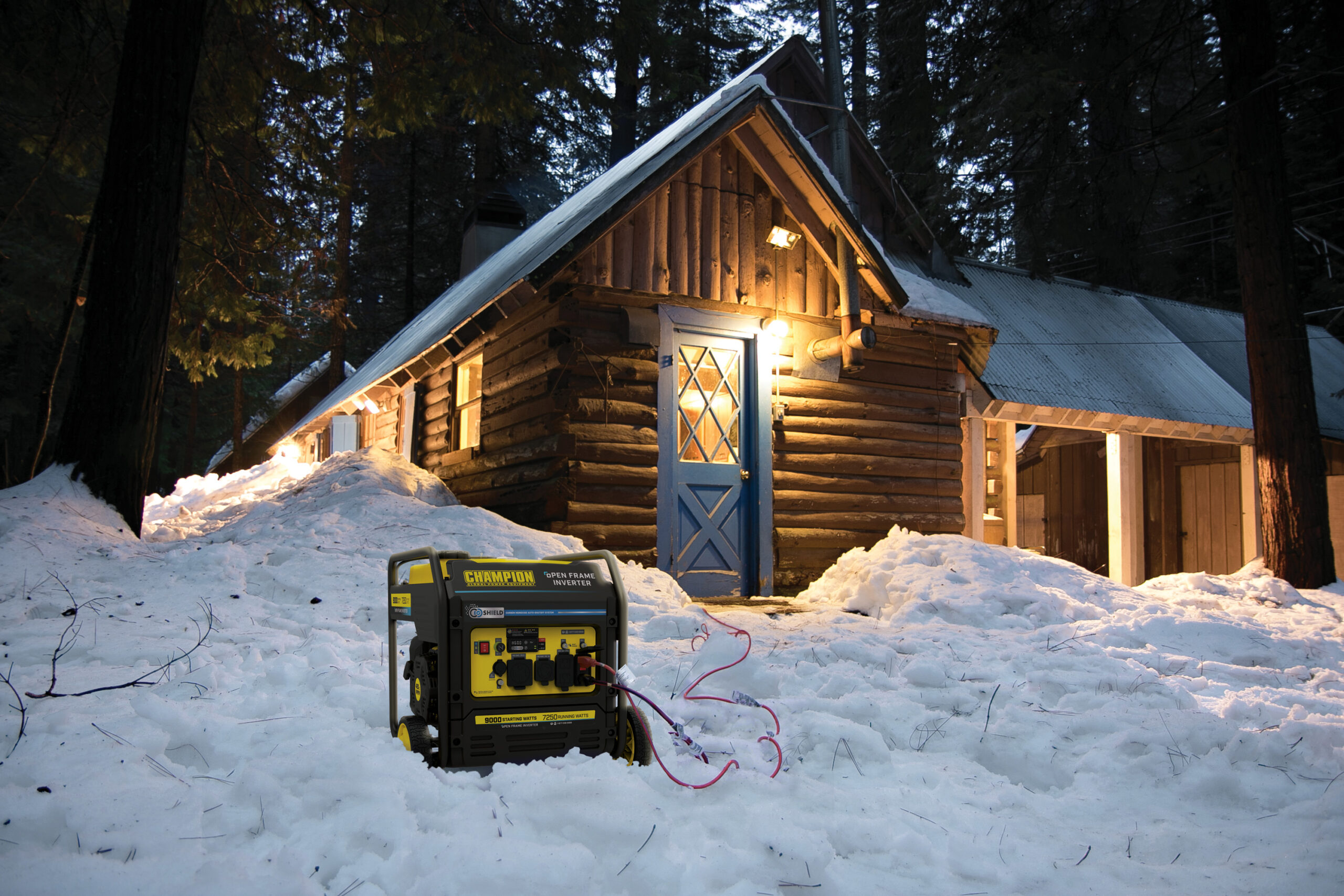
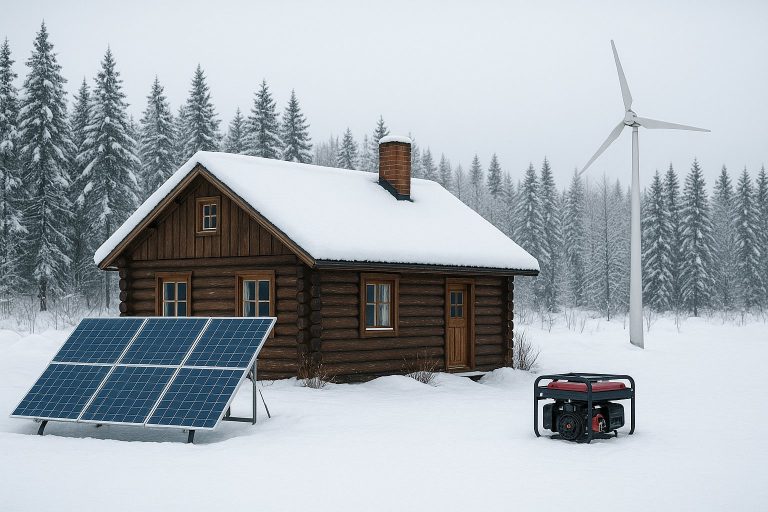
In today’s rapidly changing energy landscape, **off grid renewable energy** solutions are gaining traction among homeowners and entrepreneurs alike. This innovative approach allows individuals to generate and consume energy independently from the traditional electricity grid, harnessing resources like solar, wind, and hydro power. Understanding **what is off grid renewable energy** is crucial as it empowers people to take charge of their energy production and reduce reliance on fossil fuels. Additionally, an **energy production breakdown** is essential for optimizing the use of these renewable sources, as it helps users understand their unique energy needs. As demand for energy-efficient off grid homes increases, more individuals are embracing off grid energy sources, leading to a sustainable future.
The concept of self-sufficient energy systems, often termed as **independent energy production**, is becoming vital in the quest for sustainable living. These systems enable residences and businesses to operate entirely off the conventional power grid by utilizing renewable sources such as solar panels and wind turbines. As we delve into the intricacies of energy management, the **energy efficiency of off grid homes** becomes a crucial topic, highlighting how individuals can minimize their ecological footprint while maintaining comfort and convenience. Additionally, comprehending the fluctuations in energy generation and the overall **energy production graph** is imperative for those seeking to optimize their energy usage. With growing awareness, the transition to utilizing alternative energy solutions is paving the way for a cleaner, more resilient future.
Understanding Off Grid Renewable Energy Essentials
Off grid renewable energy refers to the systems and technologies that enable homeowners and communities to generate and use energy independently from conventional utility grids. This form of energy production incorporates various renewable sources such as solar panels, wind turbines, micro-hydro systems, and biomass, tailored to fit specific environmental conditions and user needs. Understanding what off grid renewable energy entails is essential for those considering this lifestyle change, as it empowers individuals to harness natural resources, thereby fostering a more sustainable future.
One key component to understanding off grid renewable energy is exploring the different types of energy sources available. Solar energy, leveraging the sun’s power, has gained immense popularity due to its adaptability and falling installation costs. Wind energy represents another critical off grid source, particularly in areas with consistent wind patterns. Similarly, micro-hydro systems present excellent opportunities in regions with flowing water. Moreover, biomass utilizes organic waste to generate energy, showcasing the versatility and potential of off grid energy production as a whole.
Benefits and Sustainability of Off Grid Energy Production
The transition to off grid renewable energy production offers numerous benefits, starting with energy independence. Homeowners who invest in these systems free themselves from volatility in utility prices, allowing long-term financial planning and stability while enjoying a consistent supply of energy. Over time, the savings accrued from eliminating utility bills can offset the initial investment in renewable energy systems, making it an appealing choice for many homeowners seeking financial and energy security.
In addition to financial advantages, the environmental benefits of off grid renewable energy production cannot be understated. By utilizing clean energy sources, homeowners actively reduce their carbon footprints and decrease their reliance on fossil fuels. This shift towards renewable energy contributes positively to climate change mitigation and promotes overall environmental health. Such sustainable living practices not only enhance air and water quality but also help protect biodiversity and natural ecosystems.
Navigating the Challenges of Off Grid Renewable Energy Systems
Despite the numerous benefits associated with off grid renewable energy, potential users must also consider the challenges. One primary challenge is the initial investment costs associated with setting up such systems. Components like solar panels, batteries, and wind turbines require significant capital. Although financial incentives such as tax credits and rebates can alleviate some of this burden, the total cost often remains a barrier to entry for many.
Maintenance is another critical area of concern when diving into off grid renewable energy systems. Regular upkeep—such as battery maintenance and cleanliness of solar panels—is vital for system efficiency. Homeowners must develop a solid understanding of their systems and remain proactive in monitoring performance, especially during unpredictable weather that may impact energy generation. Ensuring reliability amid these challenges is crucial for sustained energy independence.
The Importance of Energy Production Breakdown
Understanding the energy production breakdown is essential for optimizing off grid renewable energy systems. Homeowners need to assess their energy requirements alongside the production potential of their chosen systems. This analysis often involves creating an energy production graph to visualize trends over time, which helps identify peak production periods. For instance, many homeowners find that solar energy excels during warmer months while falling short on cloudy days or in winter, necessitating backup systems or energy storage solutions.
Additionally, a comprehensive energy production breakdown allows individuals to make informed decisions about how to allocate and prioritize their energy consumption. By understanding which sources are most productive under specific conditions, users can adjust their usage patterns accordingly and mitigate risks associated with lower energy production periods. This crucial understanding fosters adaptability in energy management, ensuring homes remain efficiently powered even when natural conditions fluctuate.
Innovative Design for Energy Efficient Off Grid Homes
To maximize the effectiveness of off grid renewable energy systems, it is important to implement innovative designs that promote energy efficiency. One of the fundamental aspects of building an energy-efficient off grid home is carefully considering orientation and architectural design. For example, strategically positioning windows to capture natural sunlight throughout the day can allow for passive heating, reducing dependence on artificial heating systems. This not only conserves energy but also lowers utility costs significantly.
Another crucial component of energy-efficient off grid homes is the installation of high-quality insulation. Insulating walls, roofs, and floors will help maintain a comfortable indoor climate by minimizing heat loss in winter and reducing heat gain during the summer months. This careful attention to building design and materials ensures that homes can maintain their energy requirements while minimizing reliance on their off grid systems.
Smart Energy Management in Off Grid Systems
The use of smart energy management technologies can greatly enhance the efficiency of off grid renewable energy systems. Features such as smart thermostats, smart lighting systems, and advanced energy monitoring tools empower homeowners to track their energy consumption in real-time. By intelligently managing energy use during peak periods and reducing reliance on expensive stored power, these technologies can lead to significant cost savings.
Furthermore, incorporating smart home technology into off grid homes allows for greater control and automation of energy-efficient practices. Homeowners can program their systems to adjust usage patterns based on their lifestyle, making it easier to live sustainably while enjoying modern conveniences. The integration of these intelligent systems connects users to their energy consumption habits, making them more conscious of their ecological impact.
The Future of Off Grid Renewable Energy Technologies
As awareness about sustainability continues to grow, the future of off grid renewable energy technologies looks promising. Innovations are rapidly emerging, aimed at making off grid systems more efficient, affordable, and accessible. Advances in battery storage technology, for example, could provide homeowners with even better solutions for energy retention during low production periods, addressing one of the primary challenges faced by current off grid users.
Moreover, the expansion of government incentives and community support for renewable energy projects is likely to encourage more individuals to consider going off grid. By fostering a culture of sustainability and environmental responsibility, we can expect to see a burgeoning interest in off grid energy production, ultimately leading to more resilient and empowered communities that contribute positively to the global energy landscape.
The Role of Off Grid Energy Sources in Combating Climate Change
Off grid energy sources, such as solar, wind, and biomass, play a crucial role in combatting climate change. By reducing our dependence on fossil fuels, these renewable energy solutions help to lower greenhouse gas emissions significantly. Transitioning to off grid systems allows individuals and communities to take ownership of their energy production while aligning with global sustainability goals, leading to healthier ecosystems and improved quality of life.
Investing in off grid energy sources not only addresses climate change but also contributes to energy resilience. Rural or remote areas often lack access to reliable power from traditional grids, forcing residents to rely on diesel generators or other polluting methods. Embracing off grid renewable energy equips these communities with the ability to produce clean, local energy, ultimately improving their economic prospects and reinforcing the fight against climate change.
Embracing a Sustainable Lifestyle with Off Grid Energy Solutions
Choosing off grid renewable energy systems is more than just a financial decision; it reflects a commitment to sustainable living. Homeowners who embrace off grid solutions often align their lifestyles with eco-friendly values, prioritizing resource conservation and environmental stewardship. This holistic approach to energy consumption fosters a sense of community, as individuals share ideas and resources in their pursuit of sustainability.
Moreover, off grid renewable energy encourages individuals to consider their overall ecological footprint. By implementing practices such as recycling, water conservation, and using locally sourced materials, off grid homeowners contribute to a culture of sustainability that extends beyond energy use. This lifestyle transforms everyday choices into opportunities to live in greater harmony with the planet, fostering resilience and connecting communities in meaningful ways.
Frequently Asked Questions
What is off grid renewable energy and how does it work?
Off grid renewable energy refers to the generation of electricity using renewable sources like solar, wind, hydro, and biomass without connecting to the traditional power grid. These systems allow homeowners to harness local energy resources, ensuring energy independence and sustainability. By installing solar panels or wind turbines, individuals can produce their own energy, thus avoiding reliance on utility companies and decreasing their carbon footprint.
| Aspect | Details |
|---|---|
| What is Off Grid Renewable Energy? | Energy generated and used independently from the power grid, using sources like solar, wind, hydro, and biomass. |
| Benefits of Off Grid Energy Production | Energy independence, environmental advantages, promotion of sustainable living, and resilience in emergencies. |
| Challenges of Off Grid Renewable Energy | High initial costs, need for regular maintenance, understanding energy production variability, and storage issues. |
| Energy Efficient Off Grid Homes | Design strategies include proper orientation, high-quality insulation, energy-efficient appliances, and smart energy management. |
Summary
Off grid renewable energy represents a transformative approach to sustainable living by allowing individuals and communities to harness clean energy independently from the traditional grid. As the demand for sustainable solutions increases, exploring the advantages and overcoming the challenges of off grid renewable energy systems can play a crucial role in promoting environmental responsibility. By investing in renewable technologies and incorporating energy-efficient practices, homeowners can achieve energy autonomy, contribute to reduced carbon emissions, and enhance resilience against power disruptions. Navigating the initial costs and maintenance requirements provides an opportunity for individuals to embrace a greener lifestyle that supports long-term sustainability.
Are you looking to elevate your WordPress site with high-quality content? Look no further than Autowp, the ultimate AI content generator and AI content creator plugin designed to effortlessly produce unique articles, blog posts, and web copy that engage your audience. With its state-of-the-art technology, Autowp helps you save time while ensuring fresh and relevant content tailored to your needs. Transform your website into a dynamic hub of information today! To remove this promotional paragraph, upgrade to Autowp Premium membership.