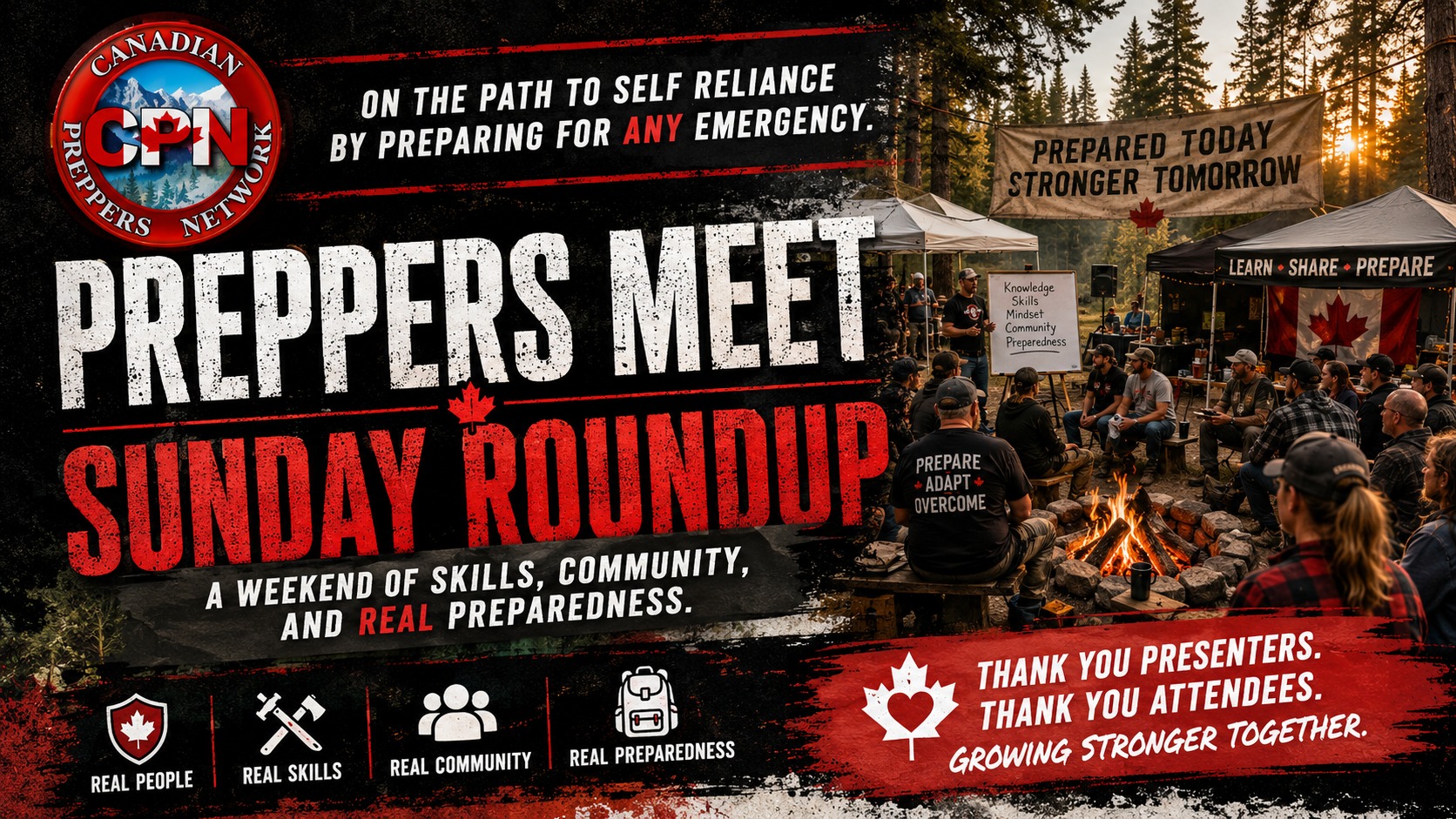
A Weekend Of Skills, Community, And Real Preparedness
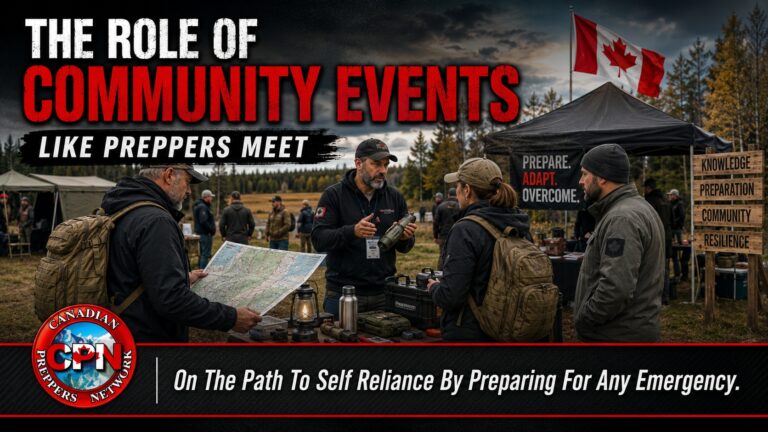
Preppers Meet has never been just about sitting in a chair and listening to someone talk. It is about showing up, meeting people who take preparedness seriously, learning something useful, and leaving with a better sense of what you actually need to work on next.
Before anything else, a sincere thank you needs to go out to every presenter, instructor, demonstrator, and volunteer who helped make the weekend happen. Sharing knowledge in front of a crowd takes preparation, confidence, and a willingness to give your time for the benefit of others. Whether it was a formal presentation, a hands-on demonstration, or an informal conversation at a campsite, that willingness to teach is what gives Preppers Meet its real value.
A huge thank you also goes to the attendees. This year’s crowd brought exactly the kind of attitude that makes an event like this work: curiosity, respect, patience, humour, and a genuine desire to learn. People asked good questions, helped each other out, took part in activities, shared experiences, and made newcomers feel welcome. That kind of community spirit is not something you can fake, and it was on display all weekend.
Across the weekend, attendees had the chance to take in presentations, hands-on demonstrations, informal conversations, and practical outdoor activities covering everything from communications and water to bushcraft, medical thinking, off-grid cooking, home security, and the less glamorous side of preparedness that often matters most.
The weekend opened with the official welcome and a strong reminder of why gatherings like this matter. Preparedness can be a very individual pursuit, but it becomes far more effective when people share knowledge, test ideas, and build connections before they are ever needed.
Bugout Dan helped get things started with a session on navigation, a subject that still matters no matter how advanced our phones and GPS devices become. In a real emergency, knowing how to read terrain, understand direction, and think through movement can make the difference between a plan and a problem.
Friday brought a wide range of presentations and workshops. Mo Omar presented Tech Talk For Preppers, including the use of AI in preparedness and how to build a Preppers Desk for free. It was a reminder that technology is not the enemy of preparedness when it is used properly. The trick is knowing how to use tools without becoming helpless without them.
Jeremy’s presentation, Paring Down: The Unsexy Side Of Prepping, hit on something every serious prepper eventually has to face. Prepping is not only about adding more gear. Sometimes it is about reducing clutter, removing duplication, organizing what you already have, and making sure your supplies are realistic, useful, and accessible.
PJ presented on Capsules And Tinctures, bringing herbal and practical self-care knowledge into the mix. Richard King covered Backpack Selection And Packing, a topic that sounds simple until you actually have to carry the load. Keith Park presented Stoves And Off-Grid Cooking, a critical area for anyone thinking beyond short power outages and into longer disruptions.
Bugout Dan also brought Apocalypse Apothecary to the schedule, while Ken Piercy’s The Doctor’s Not In tackled the uncomfortable but necessary reality that help may not always be close at hand. Those kinds of presentations are not about pretending to replace professionals. They are about thinking ahead, building capability, and understanding what gaps exist when normal systems are stretched or unavailable.
Saturday continued the momentum with another packed lineup. Che led yoga, giving attendees a chance to loosen up and start the day with some physical reset before moving into the heavier skills and workshops.
Frugal Gunnie presented Firearms Ergonomics: Does The Shoe Fit, a practical look at fit, comfort, body mechanics, and safe handling. Firearms preparedness is not just about owning equipment. It is also about understanding whether that equipment works for the person using it.
Bugout Dan covered Bug Out Bags, one of the most familiar preparedness topics, but also one of the easiest to misunderstand. A bug out bag should not be a random pile of gear. It should be built around the person carrying it, the environment they expect to move through, and the problem they are actually trying to solve.
Tell brought outdoor food skills into focus with Bushcraft Duck And Rabbit Smoking, showing the kind of hands-on, old-school knowledge that connects food, fire, preservation, and self-reliance. Jeff covered Water Basics, reminding everyone that water preparedness is not just about owning a filter. It is about storage, movement, treatment, and planning.
Eric Pinkerton presented on Ham Radio, bringing communications back to the centre of the preparedness conversation. When phones fail, networks overload, or infrastructure becomes unreliable, radio knowledge can be a serious advantage.
Zachary Gault ran the Fire Starting Challenge, giving people a chance to test a basic skill under real-world conditions. Fire starting is easy to talk about and much harder to do when the weather, materials, and stress level are not ideal.
Disaster Dave presented on Home Security, another topic that starts long before an emergency. Good home security is about awareness, habits, layers, and preparation. It is not about paranoia. It is about making your home and family harder to surprise, harder to target, and better able to respond.
Throughout the weekend there were also practical activities including archery, axe throwing, knife-related skills, slingshot practice, knot work, and kids archery. These activities are an important part of Preppers Meet because they give people a chance to do more than listen. Skills need practice, and practice is a lot easier when people can try things in a safe, supervised, and community-focused setting.
The Canadian Prepper Podcast appearance with Eric Pinkerton helped connect the event to the wider preparedness community, while the social gathering and casual conversations showed the other side of why Preppers Meet matters. Some of the best learning happens around the edges of the formal schedule: at campsites, around tables, while comparing gear, and while talking through real experiences with people who understand the lifestyle.
That is the real value of Preppers Meet. It is not just the workshops. It is not just the presenters. It is the combination of knowledge, practice, conversation, and community.
Looking ahead, this is only the beginning of what Preppers Meet can become. The event has grown because people believe in it, support it, and show up ready to build something real. In the coming years, we expect Preppers Meet to continue growing through new partnerships, stronger community connections, more practical workshops, and an even wider range of skills and experience being shared.
Growth does not mean losing the spirit of the event. It means building on it. It means bringing more good people together, creating more opportunities to learn, and strengthening the bridge between individual preparedness and community resilience.
From all of us at the Canadian Preppers Network, thank you. Thank you to the presenters who gave their time and knowledge. Thank you to the attendees who made the event welcoming, respectful, and worthwhile. Thank you to everyone who helped, shared, taught, listened, encouraged, supported, and believed in what Preppers Meet is becoming.
To the presenters: thank you for showing up prepared, sharing what you know, and helping others build confidence.
To the attendees: thank you for bringing the right attitude, supporting the event, respecting the space, participating in the sessions, and proving once again that preparedness is stronger when it is built together.
As this year’s Preppers Meet winds down, the takeaway is simple: preparedness is stronger when it is practiced, shared, and built with other people. The gear matters. The skills matter more. The community matters most.
Preppers Meet will continue to grow, and we are grateful to everyone who is helping shape that future.