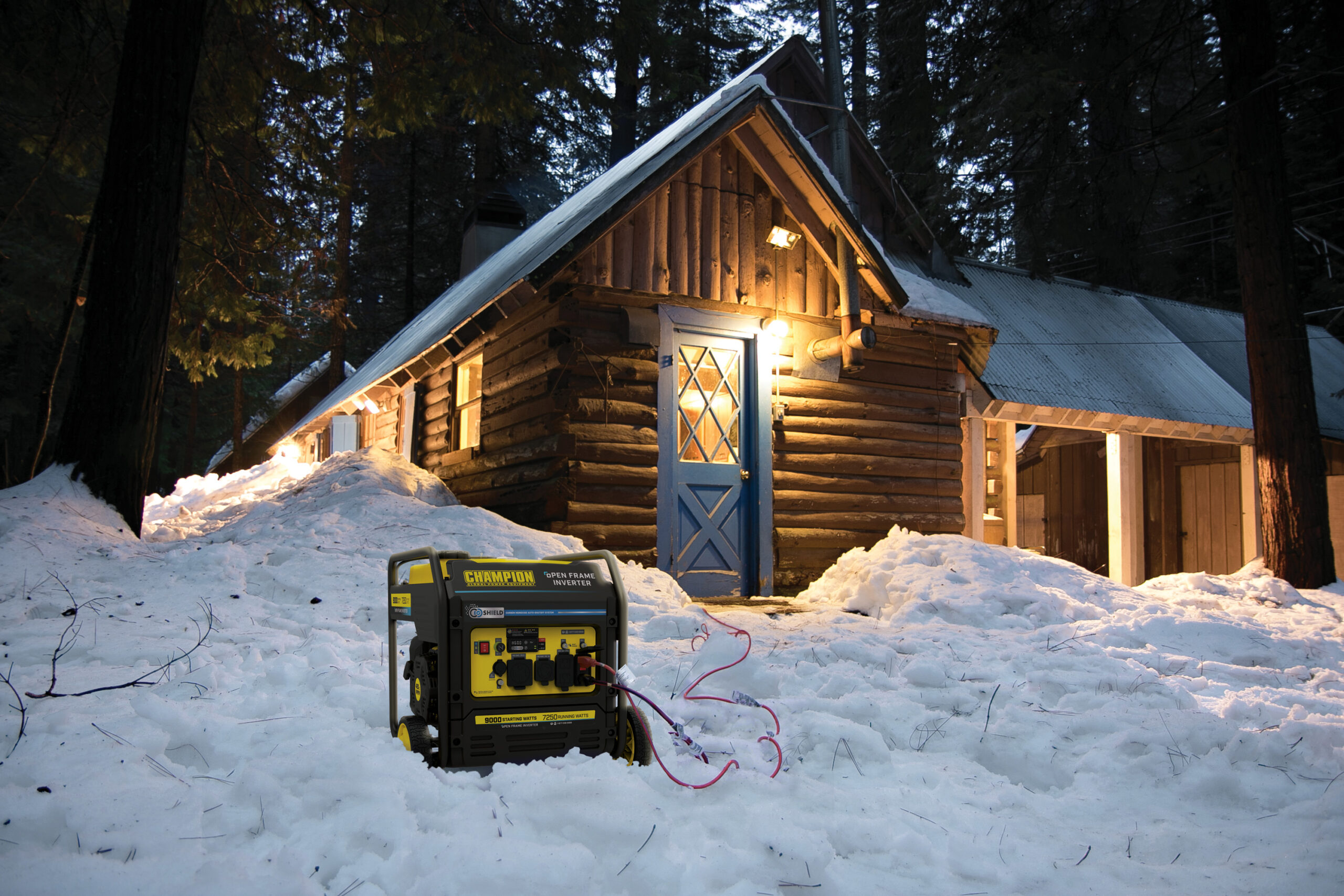
Gas-powered generators are a critical asset for preppers, homesteaders, and anyone preparing for off-grid living or emergency power outages. But a generator is only as reliable as the parts that keep it running. A broken generator during a blackout or grid-down event can be more than an inconvenience—it can be a threat to your food supply, communication, and safety.
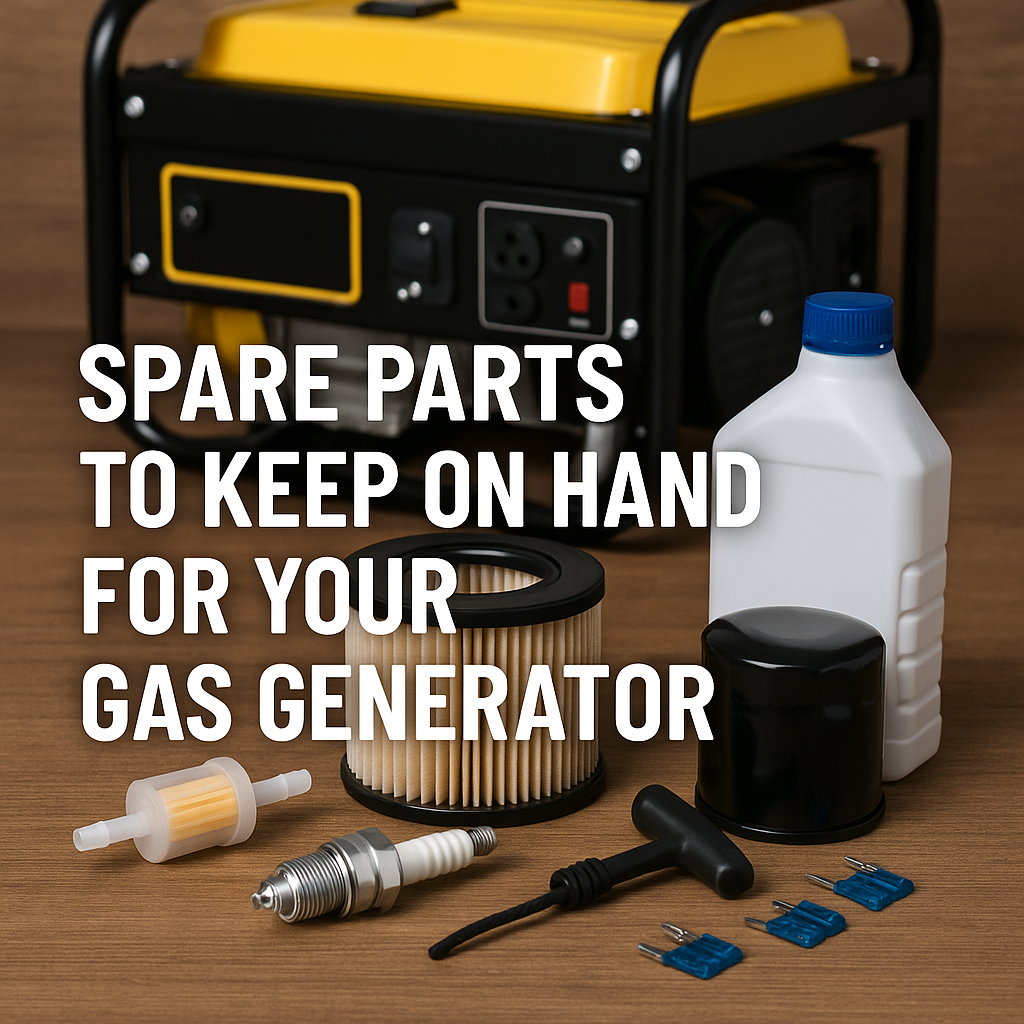
To ensure your generator runs when you need it most, here’s a guide to the spare parts you should keep on hand to maintain, repair, and extend the life of your unit.
🔧 1. Spark Plugs
Why: Spark plugs are essential for combustion in gas engines and can easily foul or wear out.
Keep: At least 2–3 spare spark plugs per generator. Make sure they are the exact model your engine requires (check the manual or remove one to compare).
Tip: Store them in a dry, sealed container to prevent corrosion.
🛢 2. Air Filters
Why: Clean air filters ensure proper air intake and fuel efficiency. Dust, pollen, and debris can quickly clog filters, especially in rural or off-grid environments.
Keep: 2–4 air filters in their packaging.
Tip: If you run your generator often, plan to clean or replace filters monthly. In dusty areas, check weekly.
⛽ 3. Fuel Filters
Why: Fuel filters protect the engine from contaminants that can cause clogs or damage. Old gas or dirty jerry cans increase this risk.
Keep: At least 2 spare fuel filters per generator.
Tip: Combine this with good fuel storage practices—use fuel stabilizer and keep your gas clean.
🛠 4. Oil and Oil Filters
Why: Regular oil changes are vital to engine longevity. Dirty oil causes excessive wear and overheating.
Keep:
- 2–4 quarts of the correct engine oil (usually SAE 10W-30 for most portable units)
- 1–2 oil filters (if your model uses them)
Tip: Change oil every 50–100 hours of operation. More often in dusty or heavy-load conditions.
🔋 5. Battery (for Electric Start Models)
Why: A dead battery can make electric-start generators useless when you need them most.
Keep: One fully charged spare or maintain your battery with a trickle charger.
Tip: Consider a small solar charger to keep it topped up off-grid.
🔄 6. Recoil Starter Assembly (Pull Cord)
Why: The pull cord is a wear item and often the first thing to fail. Without it, manual start is impossible.
Keep: One complete spare starter assembly or at least a replacement rope and handle.
Tip: Practice replacing it once so you’re not doing it for the first time during a storm.
🧩 7. Fuses and Circuit Breakers
Why: Generators often have built-in fuses or breakers to protect from overloads. These can blow during power surges.
Keep: Several spare fuses or circuit breakers that match your unit’s specs.
🔥 8. Carburetor (or Carburetor Rebuild Kit)
Why: Carburetors can get gummed up from ethanol-blended fuels, even with stabilizer. Cleaning or replacing is sometimes the only fix.
Keep: 1 spare carburetor (they’re cheap online) or a rebuild kit with gaskets, float, and needle valve.
Tip: Drain the carb if storing your generator for more than a week without use.
💡 9. Light Bulbs or Indicators
Why: Some units have indicator lights that fail with age. Not essential, but useful for monitoring voltage and load.
Keep: Spare bulbs or LED modules if your unit uses them.
🧼 10. Maintenance Supplies
These aren’t spare parts but should always be in your kit:
- Funnel and oil pan
- Shop rags
- Carb cleaner
- Spark plug gap tool
- Small socket/wrench set
- Owner’s manual (printed copy)
Final Thoughts
Having a generator is only half the battle—keeping it running is the real challenge. Stocking these essential spare parts will help ensure your generator is reliable, long-lasting, and ready when you need it most.
If you rely on your generator for food storage, heating, water pumping, or medical gear, a few inexpensive spares can make the difference between comfort and crisis.