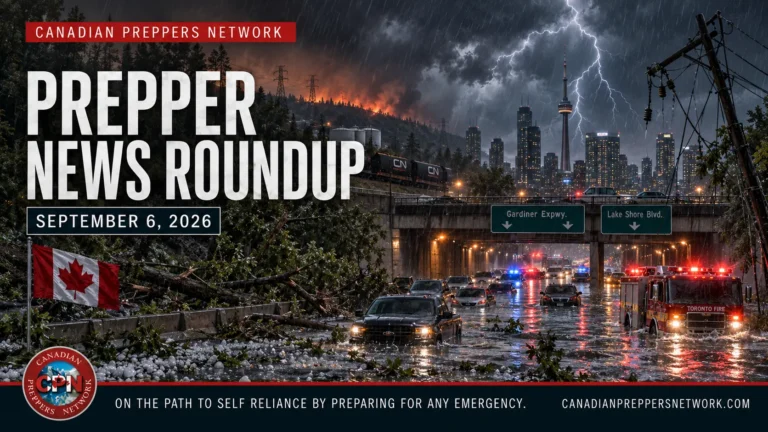
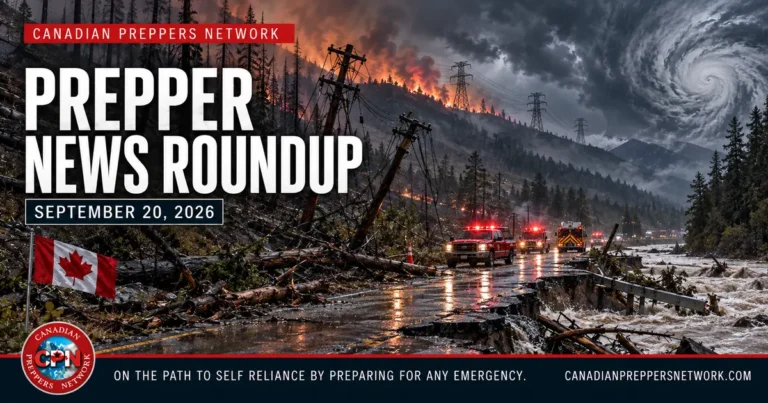
The prepper community has long focused on singular emergencies — a blizzard, a power outage, a financial crash. But the world is changing. Increasingly, we’re facing what experts now call a polycrisis: multiple crises that overlap, amplify each other, and create unpredictable outcomes.
For preppers, this shift demands a new way of thinking. It’s no longer enough to plan for “the next big one.” Instead, we must prepare for chains of crises, each one feeding into the next. Let’s break down what this means and how to adapt.
What is a Polycrisis?
The term polycrisis describes situations where two or more disasters occur at the same time or cascade into each other. Each crisis magnifies the others, creating a level of instability far beyond any single event.
Examples of polycrisis scenarios:
- A cyberattack that shuts down power grids during a major blizzard.
- Political unrest layered on top of supply chain disruptions and inflation.
- Climate disasters like flooding or wildfires coinciding with food shortages.
- A disease outbreak during an economic downturn.
We’ve already seen glimpses of this. During COVID-19, Canadians endured lockdowns, job losses, rising food prices, and strained healthcare — all while wildfires and storms raged in different parts of the country. That wasn’t just one crisis; it was many happening at once.
Why Polycrisis Thinking Matters for Preppers
Traditional prepping often assumes a start and end point — a disaster hits, you survive, and then recovery begins. But in a polycrisis, recovery may never fully happen. Just as one crisis winds down, another begins.
This means:
- Resources are stretched thinner. Supplies that might last through a single event may not hold up when disasters stack back-to-back.
- Mental resilience is tested. Enduring prolonged uncertainty can wear down even the strongest prepper.
- Community becomes essential. Lone-wolf survivalism doesn’t work well when crises keep compounding. Sharing skills, labour, and support may be the difference between surviving and thriving.
Building a Polycrisis Survival Strategy
So how do you prepare when the threat isn’t just one event, but many tangled together? Here are key steps:
1. Diversify Food Security
Relying on just one food source (like store-bought cans) isn’t enough. Instead, aim for layered redundancy:
- Stockpiles: A deep pantry of staples like rice, beans, oats, canned meat, and freeze-dried meals.
- Production: Gardens, greenhouses, chickens, rabbits, or even balcony container growing.
- Preservation: Canning, dehydrating, fermenting, and freeze-drying.
- Bartering: Build connections with local farmers or neighbors who produce what you don’t.
If one food channel fails, others can pick up the slack.
2. Strengthen Energy Independence
Power outages are common in almost every crisis scenario. Expand beyond just a generator:
- Solar panels with battery storage for silent, renewable energy.
- Wood stoves or efficient rocket stoves for heating and cooking.
- Extra propane and kerosene stored safely.
- Knowledge of low-tech options like oil lamps and candle-making.
Multiple backup systems reduce the risk of being plunged into darkness when disasters overlap.
3. Harden Water Systems
In a polycrisis, municipal water treatment may be overwhelmed. Always assume tap water could fail.
- Primary: A gravity-fed filtration system (e.g., Berkey, homemade ceramic filters).
- Secondary: Rainwater harvesting barrels and well systems.
- Tertiary: Tablets, bleach, or solar disinfection (SODIS) for emergency purification.
Store at least two weeks’ worth of water per person, but aim for long-term solutions that renew themselves.
4. Develop Cross-Training Skills
Skills are the ultimate prep. In a polycrisis, you can’t predict which ones will be critical. Every household member should be cross-trained in:
- First aid and basic medical care.
- Fire-making and water purification.
- Food preservation and cooking without power.
- Mechanical and electrical repair.
- Security and defensive tactics.
In times of cascading crises, a flexible skillset is more valuable than any piece of gear.
5. Mental & Emotional Resilience
Living through one crisis is stressful enough. A polycrisis can grind people down over time. Preppers must cultivate mental toughness:
- Practice stress-reduction habits (breathing, exercise, faith, journaling).
- Build community bonds for mutual support.
- Rotate routines to prevent burnout when prepping becomes overwhelming.
Remember: your mindset is as important as your food supply.
The Community Factor
Perhaps the most overlooked part of prepping is community preparedness. Lone preppers may survive the first wave, but polycrises stretch on and eventually demand collaboration.
- Form small local groups that share tools and labor.
- Network with other preppers for barter and information exchange.
- Build trust early; in a crisis, strangers are a liability, but trusted allies are a lifeline.
Your neighbors may one day be your most critical resource.
Final Thoughts
The polycrisis era is here. Whether it’s climate chaos, geopolitical tension, or economic instability, crises are increasingly overlapping and reinforcing one another.
For preppers, this means adaptability, layered redundancy, and community resilience must take priority. Prepping for a single event is outdated — it’s time to think about chains of crises, not isolated disasters.
Those who prepare with the polycrisis mindset will not only endure but also become pillars of strength for their families and communities.
📘
Acres of Preparedness: Planning the Last Safe Place
by De Nob
This in-depth book explores community-scale preparedness, land use planning, and building the last safe place for your family. Available now on Amazon.