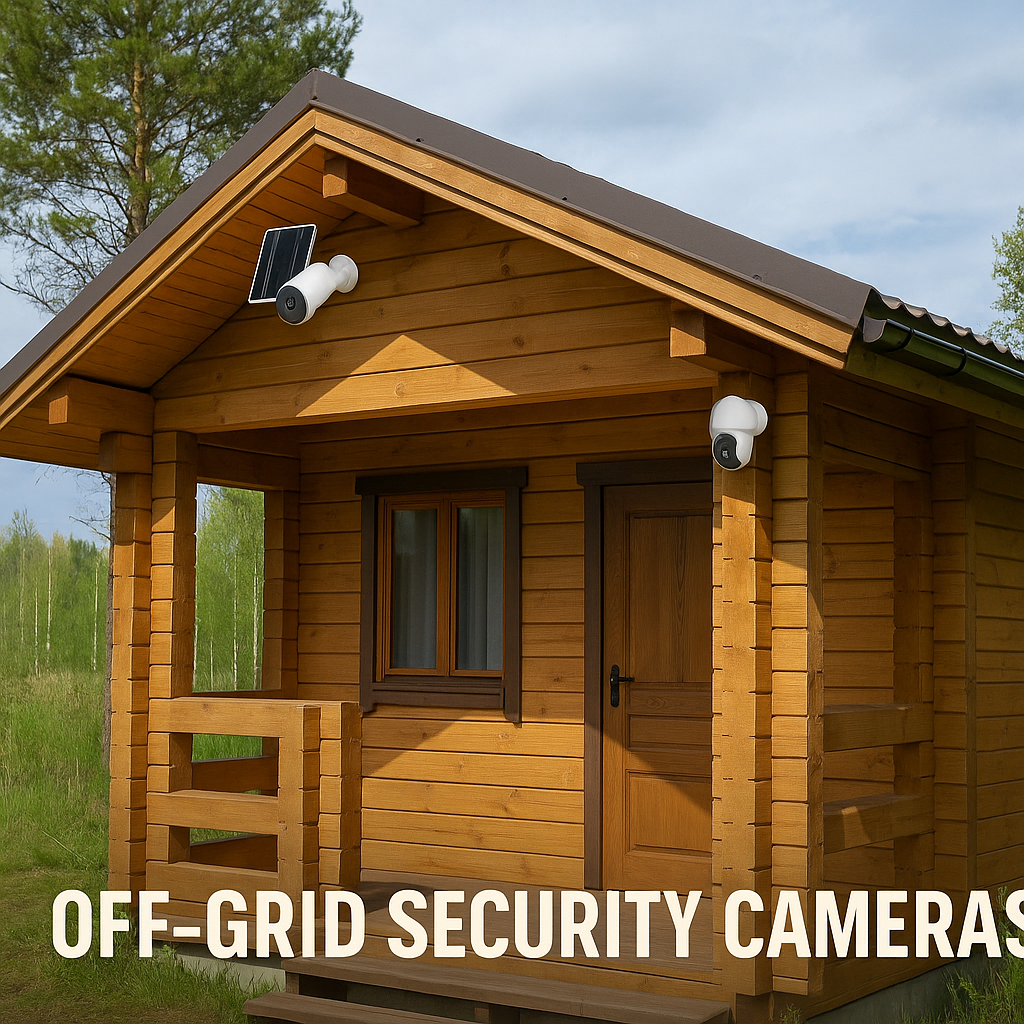
For those living the off-grid lifestyle—or preparing to do so—security doesn’t take a back seat. In fact, it becomes even more important when emergency services and grid-based systems aren’t available. Whether you’re protecting a rural homestead, a prepper retreat, or a seasonal cabin, an off-grid security camera system is an essential layer of defense that can operate independently of public utilities.
Why Off-Grid Security Matters
When you’re off-grid, traditional alarm systems and WiFi-dependent cameras can’t always be trusted. If your property is remote or lacks reliable internet and grid power, you’ll need a selfsufficient system that can monitor your perimeter, record activity, and alert you to intrusions without external support. Theft, trespassing, and wildlife damage are all real threats on rural retreats.
Powering Security Cameras Off-Grid
The backbone of any off-grid camera setup is power independence. The most common and reliable options include:
- Solar Panels: Small, dedicated solar kits can power one or several cameras. Pair with a 12 V deep-cycle battery or lithium battery for nighttime operation.
- Wind Turbines: In areas with consistent wind, small turbines can supplement solar panels during cloudy seasons.
- Battery Banks: For cabins or retreats with larger solar arrays, connect your cameras to your main power storage. Use charge controllers to prevent overdraw.
- Low-Power Cameras: Choose models that consume less than 5 W when recording. Some solar-ready models even have built-in panels and batteries.
Connectivity Options
Off-grid means limited or no internet, but that doesn’t mean you can’t have smart functionality. Modern off-grid cameras offer several options:
- Local SD Storage: Records video locally without the need for WiFi or the cloud—perfect for remote cabins.
- Cellular Networks: Some cameras use 4G LTE SIM cards to transmit video to your phone. Ideal if you have mobile coverage but no broadband.
- Mesh Networks: For large properties, use wireless bridges or mesh repeaters to link multiple cameras back to a central hub.
- Hybrid Systems: Combine local storage with occasional LTE uploads when signal is available.
Recommended Camera Features
When selecting cameras for an off-grid retreat, focus on durability and autonomy. Look for:
- Solar compatibility or built-in panels
- Weatherproof housing (IP65 or higher)
- Motion detection to save power
- Night vision or infrared (IR) LEDs
- Battery backup or dual-power input
- Encrypted local storage for data security
Strategic Placement
Cameras should cover key points of vulnerability. For most off-grid homesteads or prepper retreats, these include:
- Driveways and entrance roads – Use long-range motion sensors and zoom lenses.
- Gates and fences – Place cameras on tall posts with wide viewing angles.
- Tool sheds, barns, and fuel storage – Protect critical resources like fuel, livestock feed or equipment.
- Residences and common areas – Ensure wide coverage of doors, porches, and access routes.
- Perimeter zones – Use wireless cameras along treelines or natural barriers to detect movement before intruders get close.
Product Recommendation
Here’s a strong pick that would fit very well in an off-grid setup.
Why it’s a great fit:
- It’s designed to be solar-compatible (or has solar options) which makes it ideal for an off-grid power system.
- It supports local storage or LTE connectivity (depending on model) so you’re not completely reliant on WiFi.
- It is built for outdoor use (weatherproof), making it suitable for rugged rural environments.
- Low power draw and smart motion detection = longer battery life between charges.
How to integrate it into your system:
- Mount the camera in a location with good sun exposure so the solar panel keeps the internal battery charged.
- Ensure the camera’s view covers an access point (driveway, gate) and use motion zones to limit false alerts (wildlife, trees).
- Pair the camera with a local SD card (if supported) and check the footage monthly. If you have LTE signal, enable alerts so you can monitor remotely.
- Add a manual maintenance schedule: clean the solar panel every 2-3 months, check battery health semi-annually, inspect mounting hardware for animal or weather damage.
Maintenance and Reliability
Even rugged off-grid systems need periodic checks. Every few months:
- Clean camera lenses and solar panels.
- Check wiring for animal or weather damage.
- Replace or test batteries (especially before winter).
- Review recorded footage to confirm proper motion detection and adjust settings if needed.
For truly long-term use, consider keeping a spare camera, memory cards, and charging cables in your supply inventory—especially if you’re prepping for worst-case scenarios where replacements may be delayed.
Final Thoughts
Off-grid living doesn’t mean sacrificing security. In fact, self-sufficiency demands that your defenses remain independent of the grid. By combining solar power, low-energy cameras, and reliable data storage you can maintain 24/7 vigilance without relying on fragile infrastructure. Whether you’re building a remote bug-out retreat or just want peace of mind on your acreage, investing in a well-planned off-grid camera system is one of the smartest moves you can make.