I have to admit that it feels odd writing an article about gardening the day after a major snow storm that left well over a foot of snow for me to shovel, but the time is right. Spring is coming, I promise!
More preppers are looking at growing their own food, at least to some extent than ever before and for good reason. There are any number of events that can interrupt the food supply. But don’t just look at the pretty pictures in the catalogue and order seeds willy nilly. There should be some thought put into it first.
Make sure you observe the golden rule: Grow what you eat. There is absolutely no sense to growing Kale if you can’t stand eating it. Try to keep proper nutrition in mind, but always grow foods that you and your family will gladly eat. If you don’t eat it, you have wasted time and growing space.
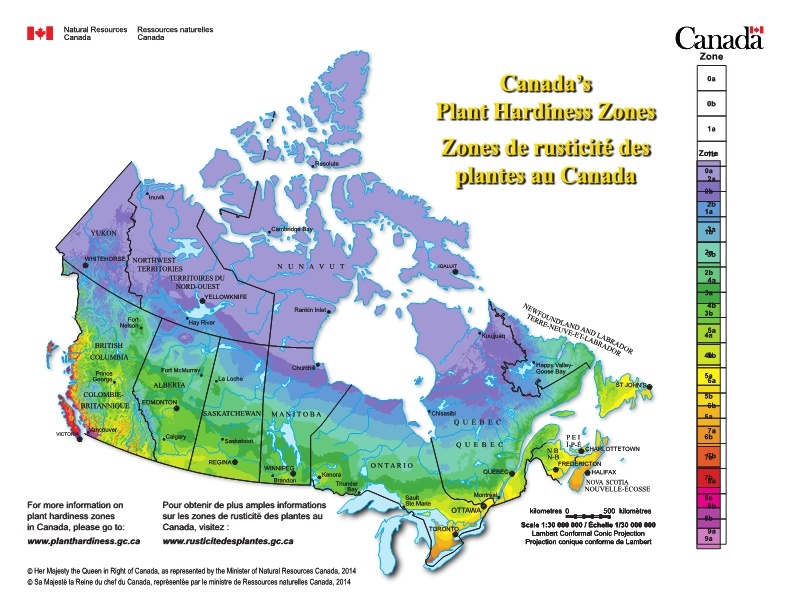
Know what will and will not grow well in your area. Knowing your hardiness zone goes a long way. Seed suppliers will tell you what zones each of their seeds will produce well in. Click on the map below to see the full size version.

Look for heirloom varieties when choosing seeds. This ensures that you can save seeds from your crops from year to year and not rely on seed suppliers to deliver your order. Be careful though, many plants are biennial, meaning that they will only produce seeds for you in their second year of growth. Once you have some seed saving experience, you may want to try your hand at these.
Make sure you can properly store what you are growing, at least for the most part. Sure fresh greens are great, but the won’t store for any amount of time. Go ahead and grow some of these plants for seasonal eating, but don’t use up too much soil space. When the season is done, you should have gone through what you had growing. In my opinion, root cellaring and home canning remain the top storage methods for preppers. These storage options are sustainable without electricity. Home canning after SHTF requires only a good supply of inexpensive canning lids, or the reusable lids made by Tattler. Root cellaring is set up and once running, requires little to no investment other than perhaps expansion of your cellar if needed.
Consider vertically growing plants. When you are trying to grow all or most of your own food, space will be at a premium. Plants that will grow on makeshift trellis or up poles such as pole beans can allow you to grow more food in a limited amount of space.
Set aside a small area for experimentation. Remember the kale I mentioned earlier? If you’ve never tried it but like it’s nutritional value then grow a plant or two and try it before committing to a larger crop. Also, you can try other growing mediums than soil such as straw bales. Once you find new plants that you like or new growing methods that work, you can integrate these successes into your main garden and let the failures or gross tasting greens go to the compost pile.
Learn to compost. Almost anything can be composted down into black gold for gardeners. Commercial fertilisers can get you some quick results, but once those become unavailable you will be left with nutrient poor soil that couldn’t grow a dandelion. The intricacies of composting are beyond the scope of this post so do some research and give it a go. You will be glad you did.
Pay attention to the package. Seed packs will tell you how and when to plant as well as how long you will have to wait before you start seeing crops come in. Many plants can be sown at different times of the year for a double harvest, or have a very short grow period allowing for successive planting to keep harvesting all season long.
The most important thing to do is….well, to do. Growing food has a learning curve. You will need time to get a good soil going, learn about pests and remedies, and so on. Now, get out there and tear up some sod. Well, when the snow melts.