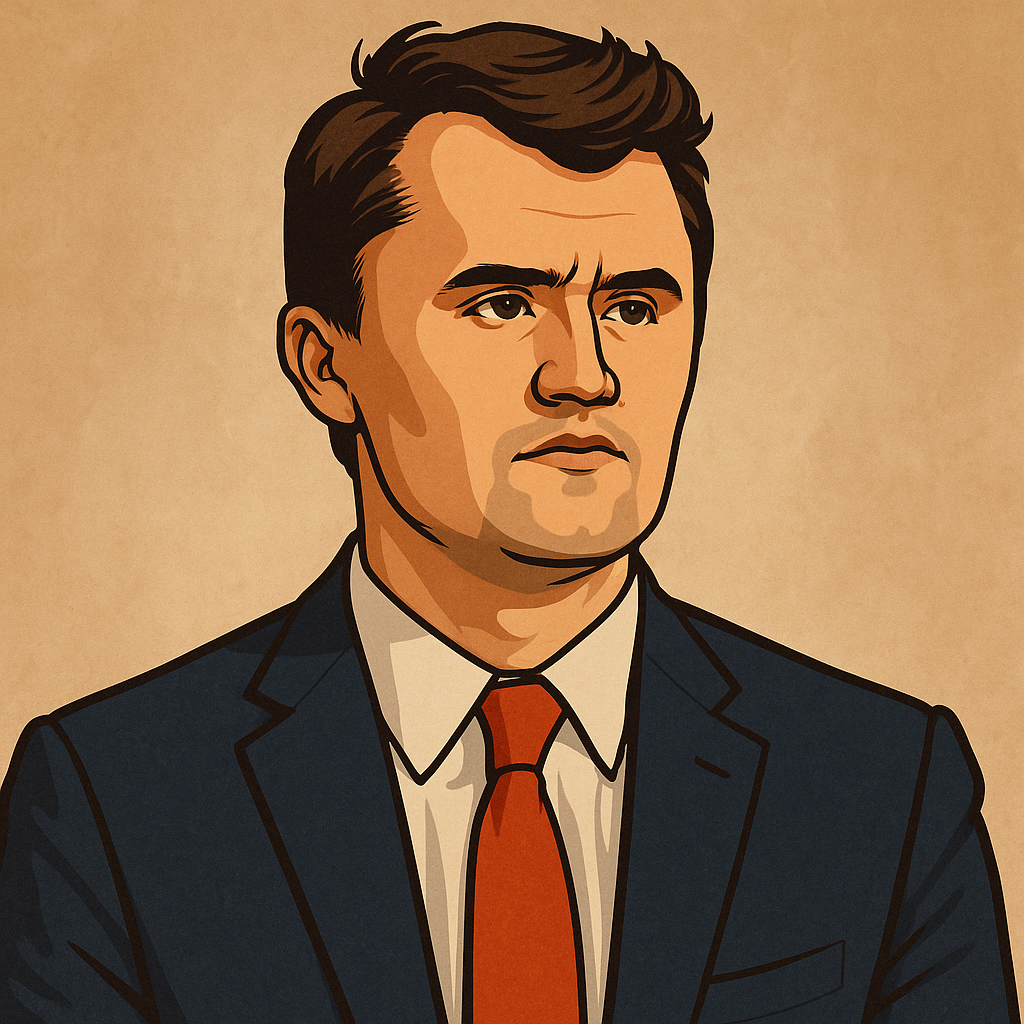
On September 10, 2025, Charlie Kirk—conservative commentator and founder of Turning Point USA—was shot and killed while speaking outdoors at Utah Valley University in Orem, Utah.
The event, part of his “American Comeback Tour,” drew thousands of students and attendees. It should have been a predictable debate session. Instead, it ended in chaos, gunfire, and unanswered questions.
From a prepper’s perspective, the attack isn’t just about politics or tragedy—it’s a real-world case study in information breakdown, situational vulnerability, and emergency readiness. What happened in Orem shows how quickly a peaceful setting can shift into a life-threatening scenario, how official information can contradict itself, and how crucial personal preparedness is when seconds matter.
Reconstructing the Event
Before we look at prepping takeaways, we need to walk through how the shooting and the official responses unfolded.
The Shooting
- Kirk was struck in the neck while speaking at an outdoor event.
- Roughly 3,000 people were present, with a large stage and open courtyard.
- Authorities believe the shooter fired from a distance—possibly 180–200 yards away—with a clear line of sight from the Losee Center rooftop.
- Panic ensued. Attendees ran, screamed, and huddled for cover. Some believed multiple shooters might be involved.
Immediate Response
- Kirk was rushed to hospital and later pronounced dead.
- Law enforcement swarmed the campus, detaining two individuals in the area.
- Social media exploded with raw video clips, unverified reports, and rumors of “active shooters.”
This is where the suspect confusion begins.
Timeline of Suspect Reports
For preppers, the timeline of conflicting reports is just as important as the attack itself. It shows how fragile the information environment becomes in a crisis.
Sept 10 – Afternoon/Evening
- Shots fired. Kirk down. Crowd flees.
- Police say the attack appears targeted.
- Two people detained near the scene, but no direct evidence ties them to the shooting.
Sept 10 – Night (Confusion Erupts)
- FBI Director Kash Patel posts online that the shooter is in custody.
- Utah Governor Spencer Cox echoes this, stating a “person of interest” has been detained.
- But almost immediately, Utah Department of Public Safety head Beau Mason contradicts this, telling reporters the shooter is still at large.
- News outlets struggle to reconcile the contradictions. Some headlines declare “suspect caught,” while others warn the opposite.
Sept 11 – Morning
- Patel backtracks: the person detained was interrogated and released.
- Authorities confirm no suspect is in custody.
- Two detained individuals are cleared. One faces an unrelated obstruction charge, but not linked to the shooting itself.
Sept 11 – Current Status
- Investigators confirm a video showing a dark-clothed figure running on the Losee Center rooftop. They suspect this person fired the shot, but identity remains unknown.
- Officials reaffirm the attack was targeted and “political in nature.”
- No arrests. No charges. The shooter is still at large.
What This Means for Preppers
1. The First Report Is Almost Always Wrong
The custody chaos proves a classic rule: initial reports are unreliable.
- In Orem, officials themselves contradicted each other—sometimes within the same hour.
- For attendees and bystanders, this could mean believing the threat is over when in fact the shooter is still loose.
Prepper lesson: Always act as if the situation is not yet resolved until you have multiple verified confirmations. In practical terms, that means staying in cover, not crowding exits too early, and being ready to move again.
2. Vulnerability at Public Gatherings
The attack shows how outdoor events are especially vulnerable.
- Large, static crowd = soft target.
- Elevated surrounding structures = potential sniper positions.
- Security usually focused on the immediate crowd (bag checks, barriers) instead of long-distance threats.
Prepper lesson: Whenever you attend a rally, festival, or open-air speech:
- Identify elevated lines of sight.
- Choose seating with both cover (brick walls, vehicles) and two exit options.
- Mentally map the fastest way out of the kill zone.
3. Medical Preparedness
A long-distance sniper shot may only involve one bullet, but it can be catastrophic. Kirk was hit in the neck—a wound that can cause rapid blood loss and airway compromise.
Prepper lesson:
- Always carry an Individual First Aid Kit (IFAK).
- At minimum: tourniquet, hemostatic gauze, chest seal, pressure bandage.
- Train yourself in bleeding control—don’t wait for EMS in a mass-casualty event.
Seconds matter. If someone nearby had applied aggressive bleeding control instantly, survival odds might have shifted.
4. Information Hygiene
Conflicting official statements created whiplash. Some believed the shooter was caught; others feared ongoing danger.
Prepper lesson:
- Assign an information officer within your group: one person tasked with verifying updates.
- Rely on multiple outlets before adjusting your threat posture.
- Have backup comms (radios, signal apps) to update your group without relying solely on official feeds.
5. Organizers Must Think in Layers
If you are hosting or securing an event:
- Conduct a site recon days before: mark rooftops, windows, parking garages.
- Request building access restrictions for the event window.
- Stage spotters with optics focused on elevated terrain—not just crowd barriers.
- Drill your team: “What do we do if a shot rings out?” Crowd panic can be deadlier than the bullet.
Applying These Lessons
Here’s how preppers can translate this event into practical protocols.
Personal Checklist for Attendees
- Scan surroundings for rooftops or elevated vantage points.
- Sit/stand with cover (brick, concrete, engine blocks) between you and possible threat zones.
- Note exit routes—both official and improvised.
- Carry a compact IFAK.
- Stay until multiple reliable sources confirm the threat is neutralized.
Organizer/Team Checklist
- Recon 200–300 yard perimeter; list rooftops and glass-front buildings.
- Stage lookouts with binoculars or scopes.
- Establish plain-language comms protocols (“Shots fired—evacuate to Zone B”).
- Place trauma gear and medics near stage wings.
- Run a panic drill so volunteers know how to move crowds without stampedes.
Beyond the Event — Political Violence and the Prepper Mindset
The killing of Charlie Kirk is not an isolated event. Around the world, political and ideological tensions are boiling over. For preppers, this means:
- Expect the unexpected. Political rallies, debates, even community events may be targeted.
- Expand your preparedness lens. It’s not just about tornadoes or EMPs—it’s also about personal security in divided times.
- Community resilience. Encourage your prepper group to include medical personnel, comms specialists, and security-minded members.
In many ways, the “new normal” means that public political violence is part of the survival landscape.
Final Thoughts
The Charlie Kirk shooting is a tragedy—but it’s also a hard lesson.
- Information broke down. Official statements conflicted for hours.
- Security gaps existed. Rooftops and sightlines weren’t secured.
- Medical speed mattered. A single wound proved fatal.
For preppers, the event reminds us that readiness isn’t just about gear—it’s about mindset, awareness, and adaptability.
When chaos hits and rumors fly, you need to be the one who stays calm, applies training, and guides others to safety. That’s what preparedness is really about.