This past week offered several quiet but instructive reminders of how Canadian infrastructure responds under normal winter stress. None of these incidents were catastrophic. All of them were disruptive enough to expose preparedness gaps — especially for households relying entirely on external systems.
For preppers, these are the most valuable events to study.
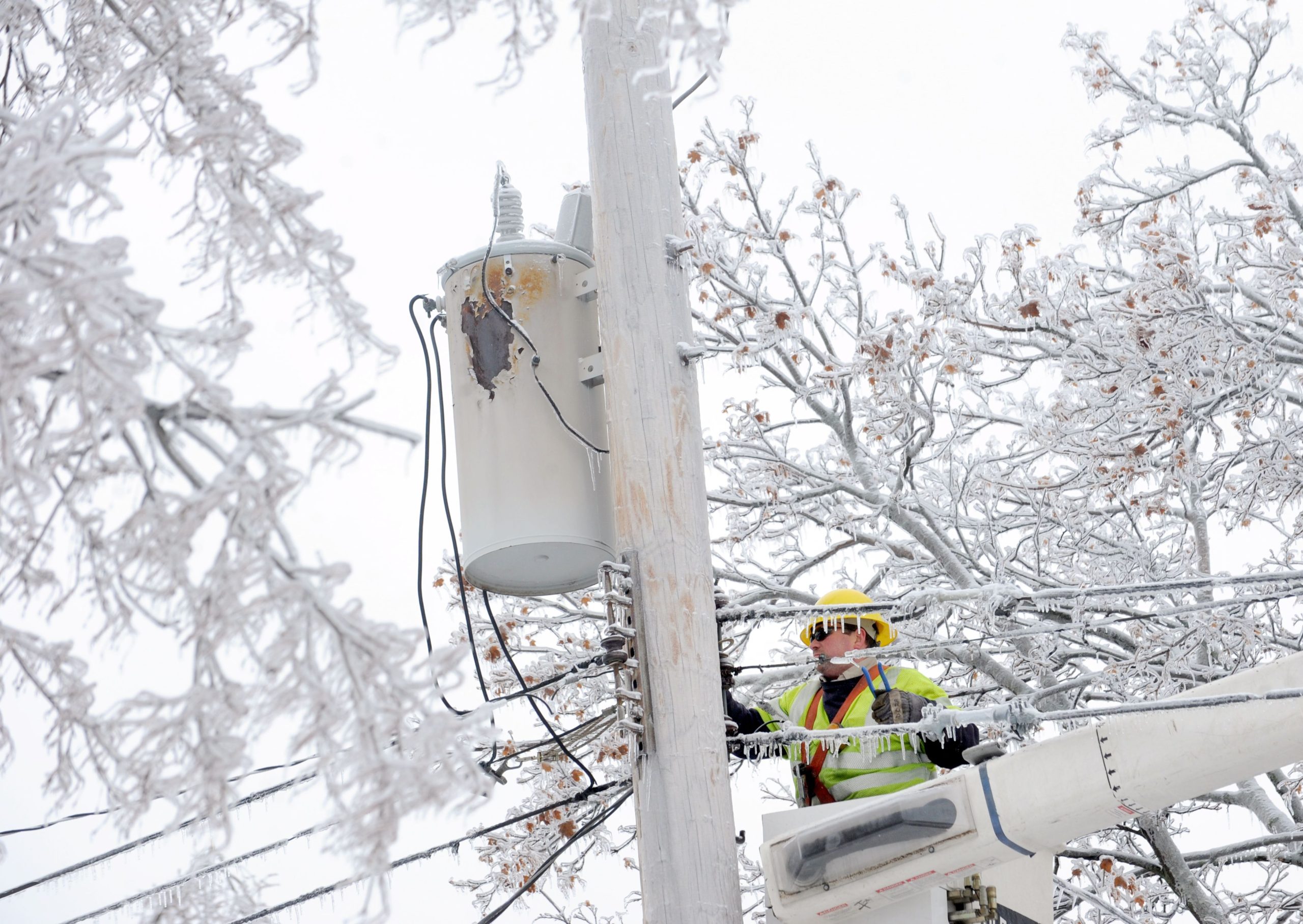
Ice and Heavy Snow Triggered Localized Power Outages
Parts of Eastern Ontario and Southern Quebec experienced short-duration power outages following freezing rain and heavy, wet snow. In most cases, power was restored within hours, but outages overlapped with evening temperatures well below freezing.
Residents without secondary lighting or backup heat reported rapid indoor temperature drops and difficulty navigating homes safely after dark.
Preparedness takeaway:
Short outages during extreme cold matter more than long outages in mild weather. Battery lighting, warm-room planning, and non-electric heat options reduce immediate risk even when restoration is fast.
Highway Closures Disrupted Travel and Deliveries
Sections of Highway 11 in Northern Ontario and secondary highways in Atlantic Canada were temporarily closed due to snow accumulation and poor visibility. While closures were lifted within a day, freight and local travel delays followed.
Some rural communities reported delayed grocery restocking and reduced access to services during the closure window.
Preparedness takeaway:
Even brief road closures can disrupt resupply for outlying communities. Maintaining a rotating buffer of food and essentials prevents short transportation interruptions from becoming urgent problems.
Freeze–Thaw Cycles Caused Basement Water Issues
Repeated freeze–thaw cycles in Southern Ontario and parts of British Columbia’s Interior led to localized basement seepage and ice dam formation. Homeowners discovered water entry points only after thaw conditions allowed meltwater to move.
Repairs were slowed due to frozen ground and limited contractor availability.
Preparedness takeaway:
Winter reveals drainage weaknesses better than any inspection. Observing water movement now allows corrective action before spring melt creates larger flooding risks.
Emergency Response Times Increased During Storm Periods
Emergency services across multiple provinces reported higher call volumes during storm windows, particularly for slips, falls, minor vehicle collisions, and cold-related medical calls. In some areas, response times were longer than average during peak conditions.
This is a capacity issue, not a failure.
Preparedness takeaway:
Households should expect delayed assistance during widespread weather events. First aid readiness, safe home mobility, and the ability to self-manage minor injuries remain critical winter preparedness skills.
The Common Thread: Small Events, Repeated Often
None of these incidents were unusual by Canadian standards. That’s exactly why they matter.
Preparedness isn’t built for once-in-a-lifetime disasters. It’s built for repeated, ordinary disruptions that slowly erode margin if households remain unprepared.
The same systems were stressed again this week:
- Power
- Transportation
- Water management
- Emergency response
The pattern is consistent.
Practical Actions for the Coming Week
Based on this week’s events:
- Test lighting and heat response during a planned 30-minute power interruption
- Review food and household buffers with a focus on access, not just quantity
- Inspect basements and exterior drainage during thaw conditions
- Ensure first aid supplies are accessible and complete
- Confirm offline access to reference material and emergency information
Preparedness improves fastest when adjusted after real events.
Acres of Preparedness
Short-term readiness addresses immediate disruptions. Acres of Preparedness focuses on long-term resilience — integrating water management, shelter design, food systems, energy planning, and community coordination into a framework suited for Canadian climates and recurring seasonal stress.