When disaster strikes, medical help might not be a 911 call away. Whether you’re preparing for grid-down scenarios, extended isolation due to weather, or just want to take more responsibility for your family’s well-being, medical preparedness is one of the most critical parts of any prepper plan—especially in Canada, where rural communities and extreme weather make self-reliance a necessity.
Why Medical Preparedness Matters in Canada
Canada’s vast geography, harsh winters, and frequent power outages in rural areas can delay emergency services. If you’re outside major urban centers—or just like to be ready for anything—you need to assume that professional medical care may be delayed or unavailable during a crisis.
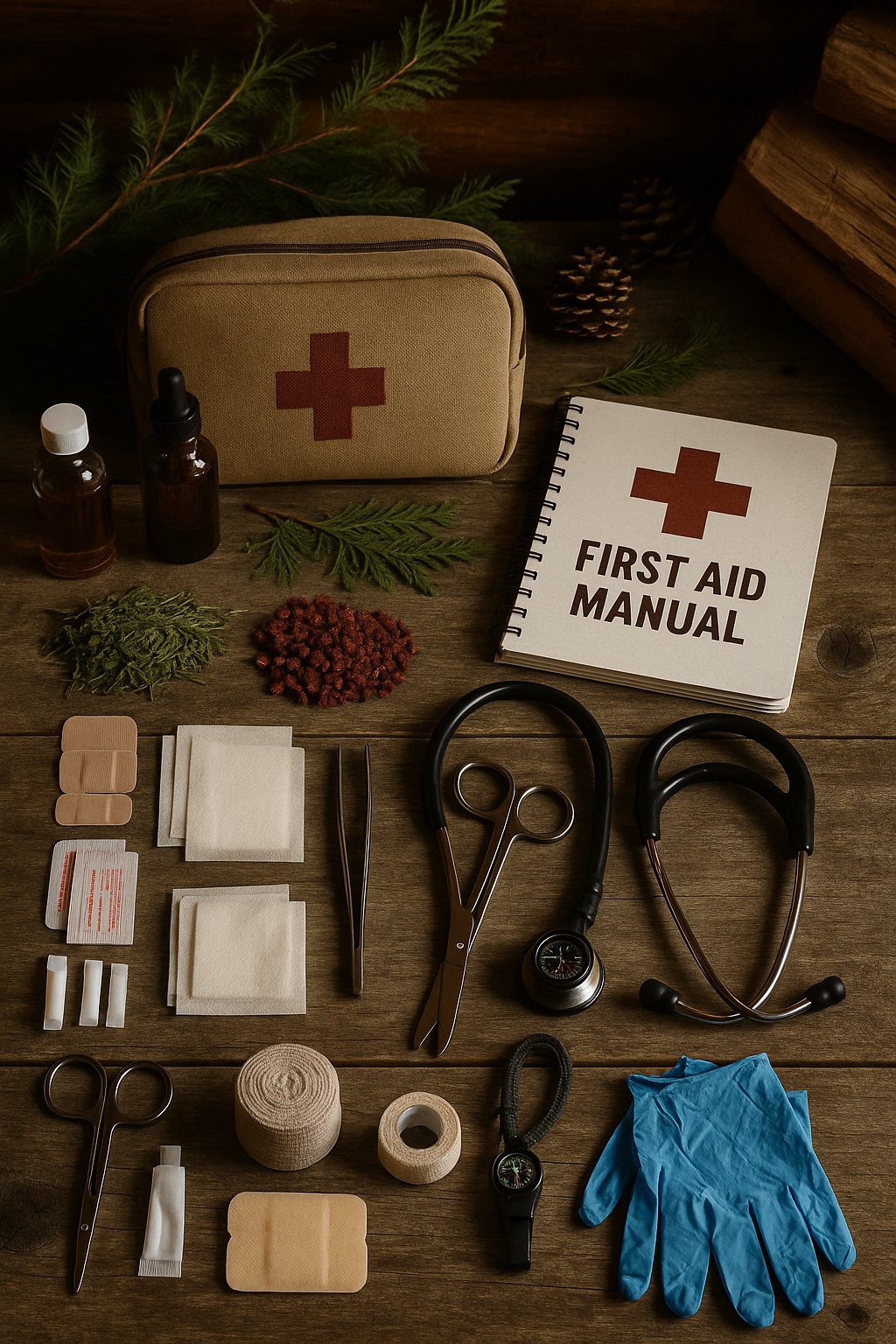
🧰 Core Medical Supplies Checklist (With Suggested Quantities)
These lists are designed for a family of 4 prepping for a 1–3 month emergency. Adjust based on your household size or prepping timeline.
🟢 Basic First Aid Kit
For every bug-out bag, vehicle, and home:
| Item | Suggested Quantity |
|---|---|
| Assorted adhesive bandages (various sizes) | 50+ |
| Gauze pads (4×4″, sterile) | 25 |
| Roller gauze (4″) | 4 rolls |
| Antiseptic wipes | 40 |
| Alcohol swabs | 40 |
| Medical tape (1”) | 2 rolls |
| Tweezers | 2 |
| Medical scissors (trauma shears) | 1 |
| Antibiotic ointment (Polysporin) | 2 tubes |
| Cold packs (instant) | 4 |
| Nitrile gloves (pairs) | 10–15 |
| CPR face shield | 1 |
| Digital thermometer | 1 (plus extra batteries) |
| Pain relievers (acetaminophen, ibuprofen) | 2 bottles each |
| Antihistamines (Benadryl) | 1 bottle |
| Burn cream / Aloe vera gel | 1 tube |
| Blister pads (Moleskin, Compeed) | 6–8 patches |
🟡 Intermediate Medical Kit
For shelter-in-place or extended response times:
| Item | Suggested Quantity |
|---|---|
| Israeli bandages | 2–4 |
| Hemostatic agents (QuickClot) | 2 packs |
| SAM splint | 1–2 |
| Elastic bandages (ACE wrap) | 2–3 rolls |
| Eye wash solution (sterile) | 2 bottles |
| Eye pads | 4 |
| Oral rehydration salts | 10 packets |
| Anti-diarrheal (loperamide) | 1 bottle |
| Anti-nausea (Gravol) | 1 box |
| Suture kit (only if trained) | 1 |
| Medical reference manual | 1 |
| EpiPen (if prescribed) | 2 |
| Glucose gel or tabs | 1 box |
| Thermometer strips (disposable) | 10–15 |
| Headlamp (hands-free, red light) | 1 |
🔴 Advanced/Long-Term Medical Kit
For off-grid survival or long-term self-reliance:
| Item | Suggested Quantity |
|---|---|
| Blood pressure cuff & stethoscope | 1 set |
| Finger pulse oximeter | 1 |
| Broad-spectrum antibiotics* | 1–2 full courses per type |
| CAT tourniquet | 2 |
| Chest seals (HyFin or similar) | 2–4 |
| Dental emergency kit | 1 |
| Butterfly bandages | 20 |
| Steri-Strips | 10–15 |
| Topical antifungal cream | 1 tube |
| Splinter out kits or sterile needles | 1–2 |
| Water purification tablets | 1 bottle |
⚠️ Antibiotics should be obtained legally and used only when medically appropriate. Consult a healthcare provider.
🌿 Natural Remedies & Herbal Alternatives
Modern medicine is critical—but natural remedies can extend your supplies or offer backup treatments when you’re out of conventional options. Many of these plants grow wild in Canada or can be grown in a backyard medicinal garden.
| Plant | Uses | Suggested Prep & Storage |
|---|---|---|
| Yarrow | Stops bleeding, antiseptic | 1–2 jars dried leaves/flowers |
| Plantain | Insect bites, wounds, anti-inflammatory | Fresh or 1 jar dried leaves |
| Willow bark | Pain relief (natural aspirin) | 1 jar dried bark, tea-ready |
| Echinacea | Immune support | Dried root or tincture (50–100 ml) |
| Pine needles | High vitamin C, respiratory aid | Steep fresh or dry 1 jar |
| Lavender | Sleep aid, antimicrobial, calming | 1–2 jars dried or essential oil (15 ml) |
| Goldenseal | Antibacterial, digestive support | Use sparingly – tincture (30–50 ml) |
💡 Tip: Store dried herbs in airtight glass jars in a cool, dark place. Tinctures last longer if refrigerated.
🧠 Knowledge Is Survival
Having gear is great—but knowing how to use it is what makes you truly prepared.
🧪 Where to Get Trained in Canada:
- Canadian Red Cross – First Aid, CPR/AED
- Wilderness Medical Associates Canada – WFR (Wilderness First Responder)
- Online Herbalism Courses – Look for homesteading or permaculture communities
📚 Recommended Books:
- Where There Is No Doctor – David Werner
- The Survival Medicine Handbook – Dr. Joe Alton & Nurse Amy
- Herbal Medicine for Beginners – Katja Swift & Ryn Midura
🏕 Final Thoughts
Being medically prepared isn’t about being paranoid—it’s about being self-reliant and capable when things go sideways. In the Canadian wilderness, during ice storms, power grid failures, or economic upheaval, you may be the only first responder your family has.
With the right mix of tools, training, and even old-school plant knowledge, you’ll be prepared to handle anything from a sprained ankle to a serious wound.
📦 Pro Tip: Rotate medications annually and keep printed guides in waterproof sleeves. Your medical binder should be just as ready as your bug-out bag.