There’s a common assumption in most preparedness plans: once your backup power system is in place, the problem is solved.
Solar panels go up. A generator is stored and ready. Batteries are installed and tested. On paper, everything looks solid.
But over time, these systems tend to fade into the background—and that’s where problems begin.
Energy systems don’t usually fail all at once. They degrade slowly, often unnoticed, until the moment they’re needed most. When they do fail, it’s rarely because the equipment was poor. More often, it comes down to a lack of ongoing attention.
The Illusion of “Set It and Forget It”
Most advice focuses on what to buy:
- A generator
- A solar setup
- Stored fuel
What’s discussed far less is what it takes to keep those systems working over time.
A generator that hasn’t been run in months may not start when needed.
A battery bank sitting through winter conditions can lose capacity.
Fuel stored without treatment can degrade into something unusable.
Preparedness isn’t just about setup—it’s about continuity.
Generators: The Most Common False Sense of Security
Generators are dependable when maintained—but they’re also one of the most commonly neglected systems.
Over time:
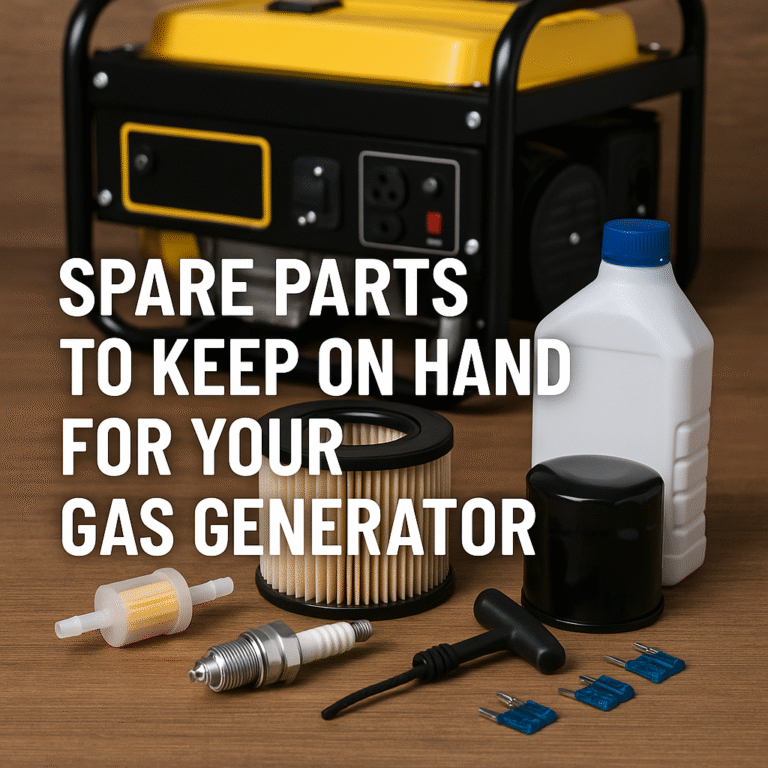
- Fuel can break down and clog carburetors
- Lines can dry and crack
- Oil degrades
- Spark plugs wear out
These aren’t complex issues—but they’re easy to overlook.
Running a generator periodically under load, changing oil on schedule, and managing fuel properly go a long way toward ensuring it works when needed.
Useful maintenance items:
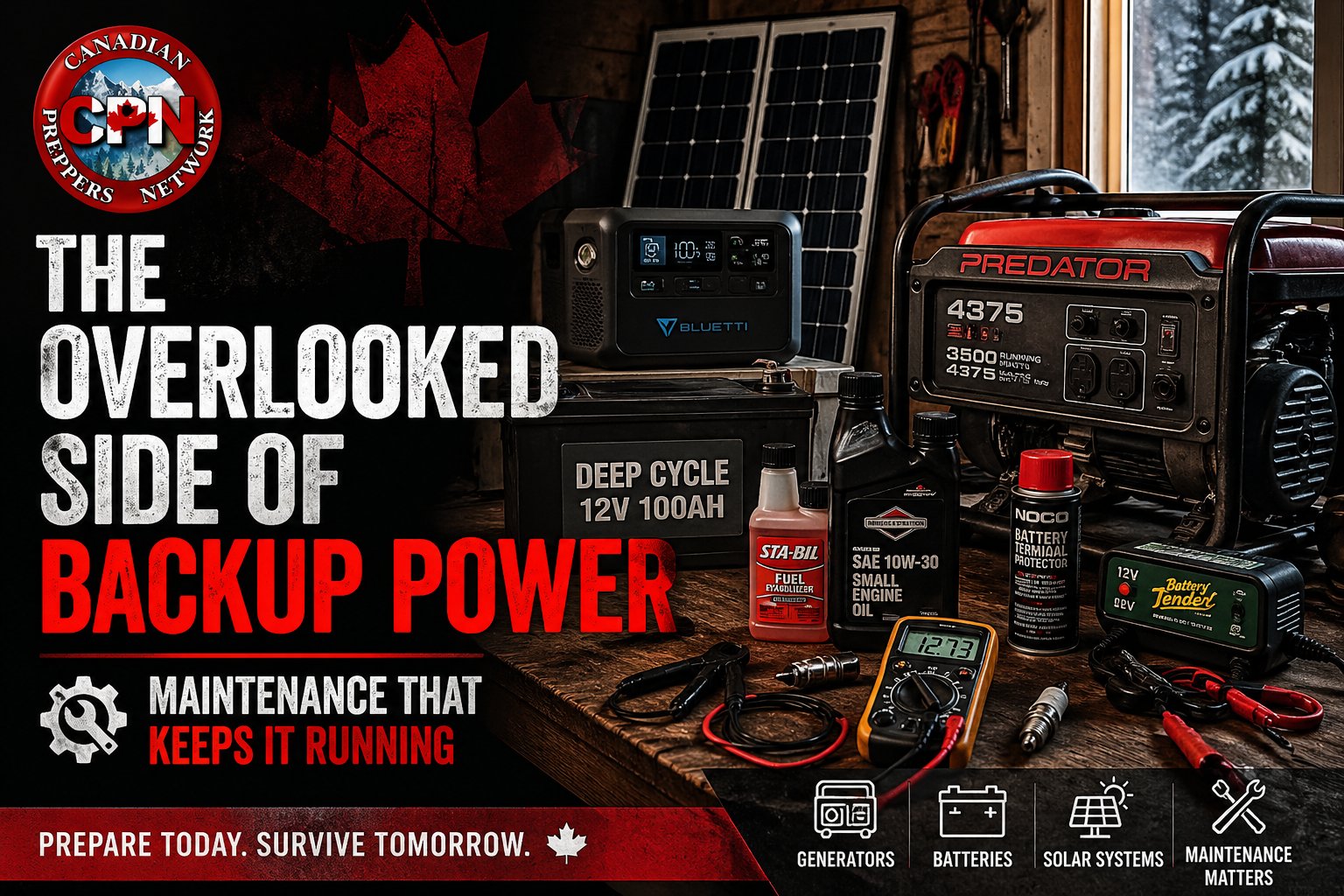
- STA-BIL Fuel Stabilizer
https://www.amazon.ca/s?k=STA-BIL+fuel+stabilizer - Briggs & Stratton 10W-30 Small Engine Oil
https://www.amazon.ca/s?k=briggs+and+stratton+10w30 - NGK Spark Plugs
https://www.amazon.ca/s?k=NGK+spark+plug
Battery Systems: Quietly Degrading in the Background
Battery systems tend to degrade gradually rather than fail suddenly.
In Canadian conditions:
- Cold reduces available capacity
- Some lithium systems restrict charging below freezing
- Lead-acid batteries can sulphate over time
Without regular use and inspection, performance declines can go unnoticed.
Helpful tools for upkeep:
- Battery Tender Plus Maintainer
https://www.amazon.ca/s?k=battery+tender+plus - NOCO Battery Terminal Protector
https://www.amazon.ca/s?k=noco+battery+terminal+protector - AstroAI Digital Multimeter
https://www.amazon.ca/s?k=astroai+multimeter
Manual verification is often more reliable than relying solely on built-in displays.
Solar Systems: Low Maintenance Doesn’t Mean No Maintenance
Solar systems are often described as low maintenance—and they are, relatively speaking—but they still require periodic attention.
Consider:
- Snow accumulation reducing output
- Connection points loosening or corroding
- Control components that can fail over time
Especially in Canadian winters, solar performance can vary significantly without monitoring.
Simple support tools:
- MC4 Connector Kits
https://www.amazon.ca/s?k=mc4+solar+connectors - Wire Crimping Tools
https://www.amazon.ca/s?k=wire+crimping+tool+kit - Clamp Multimeter
https://www.amazon.ca/s?k=clamp+multimeter
Maintenance Is a Skill, Not a Chore
Beyond checklists, maintenance builds familiarity.
Understanding how your system behaves—and how to identify early signs of trouble—can make a significant difference.
In a prolonged outage, access to support or replacement parts may be limited. Being able to assess and resolve issues yourself becomes part of the system.
A Simple Maintenance Rhythm That Works
Monthly
- Run generator under load
- Check battery voltage
- Visual inspection
Seasonal
- Oil change
- Fuel rotation
- Clean terminals
Annual
- Replace plugs and filters
- Load test batteries
- Simulate outage
Consistency matters more than complexity.
The Systems That Last Are the Ones That Are Used
Systems that are tested and used regularly tend to perform better over time.
Regular interaction builds familiarity and helps catch small issues early.
Where This Leaves You
A backup power system is more than a purchase—it’s something that needs occasional attention to remain reliable.
The question becomes less about what to acquire, and more about what you’re prepared to maintain over time.
Continue Building Your System
- https://canadianpreppersnetwork.com/your-first-7-days-without-normal-supply-chains/
- https://canadianpreppersnetwork.com/water-storage-and-filtration-for-canadian-households/
- https://canadianpreppersnetwork.com/what-every-canadian-should-keep-in-their-vehicle-this-summer/
Recommended Read
Acres of Preparedness: Planning the Last Safe Place
https://www.amazon.ca/dp/B0B5KZQF6R